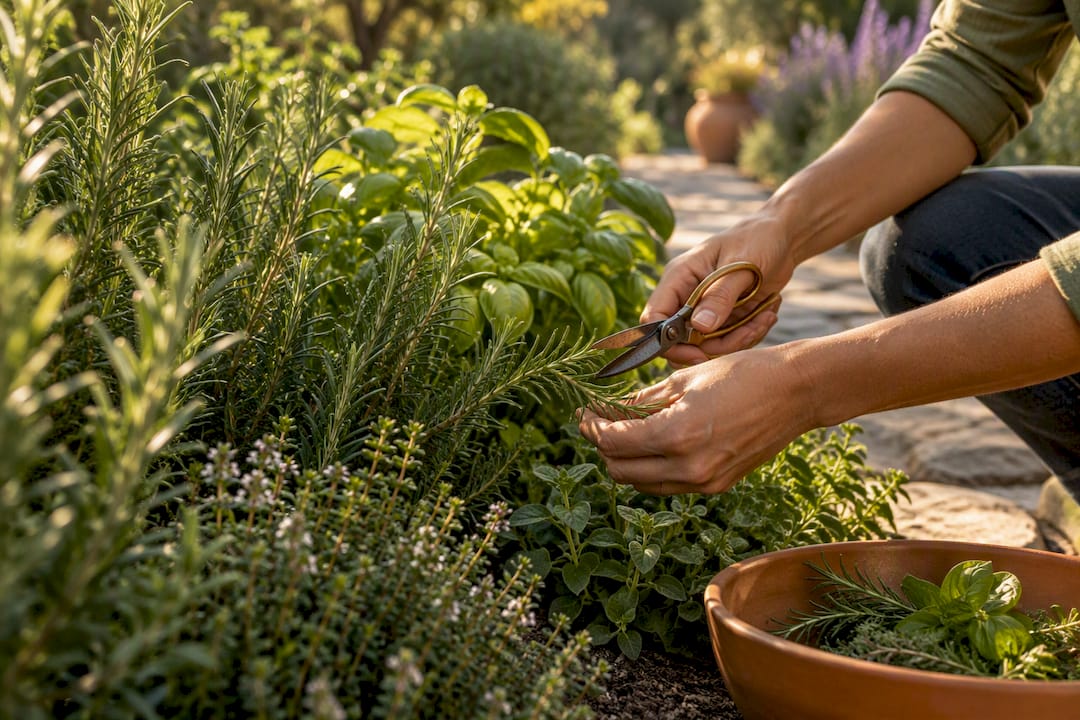
Companion planting mixes compatible vegetables, herbs, and flowers to reduce pest damage, support pollinators, and make small beds more productive, when it’s paired with good soil, consistent water, and regular monitoring. The approach draws on traditions like the Three Sisters and modern extension research, and it works best as one tool inside a broader pest management plan, not a replacement for the basics.
TL;DR:
- Companion planting can help reduce pest damage, but its effects are inconsistent and should be used alongside other pest management methods.
- Plant pairings like tomatoes with basil or beans with corn support pest control, pollination, and soil health through mechanisms such as trap cropping and nitrogen fixation.
- Certain combinations, such as tomatoes and potatoes or proximity to black walnut trees, increase disease or pest risks and should be avoided in the garden.
- Proper planning involves matching plant resources, adjusting for timing, spacing, and resource needs to improve overall garden health and productivity.
- Regionally appropriate herbs and smaller plant ratios are recommended for container or raised bed gardening to ensure compatibility and minimize resource competition.
Table of Contents
- A quick companion planting chart by vegetable
- How companion planting actually works
- Reliable pairings and combinations to avoid
- Planning your layout: timing, spacing, and ratios
- Using flowers and herbs to draw in beneficial insects
- Common companion planting mistakes and fixes
- A water-wise take on companion planting
- Getting professional help with your companion garden
- Sources
- FAQ
A quick companion planting chart by vegetable
Before you lay out a bed, it helps to know which plants tend to support each other and which compete or share problems. The pairings below reflect common extension guidance and garden practice, organized by the vegetables most home growers start with.
- Tomato: Pairs well with basil, marigold, and carrots. Basil may help confuse pest insects by scent; marigold is linked to reduced root pests in some trials. Avoid planting near potato, since both share blight and Colorado potato beetle pressure. Space tomatoes several inches apart and tuck basil or marigold into the gaps.
- Pepper: Does well with basil, onion, and dill or coriander, which can draw in predatory insects. Avoid fennel, which tends to inhibit nearby growth. Set peppers 18 inches apart with herbs along the border rather than crowded underneath.
- Beans: Thrive with corn, squash, and summer savory. As a legume, beans fix nitrogen in the soil, which benefits heavy feeders planted nearby. Keep beans away from onions and garlic, which can stunt bean growth. Sow beans two to three weeks after corn so the stalks have height to climb.
- Brassicas (cabbage, broccoli, kale): Benefit from dill, nasturtium, and aromatic herbs like thyme, which can distract or repel cabbage moths. Avoid planting near strawberries, which compete for similar nutrients. Nasturtium works best as a border trap crop, sown two weeks before transplanting brassicas.
- Carrot: Grows well with onion, leek, and rosemary, which may mask the scent that attracts carrot rust fly. Avoid dill once it flowers, since it can cross-pollinate and bolt carrots early. Interplant in alternating rows spaced 3 to 4 inches apart.
- Cucumber and other cucurbits: Pairs with dill, nasturtium, and radish, which can serve as a trap crop for cucumber beetles. Avoid aromatic herbs like sage, which can slow cucumber growth. Plant radish as a sacrificial border ahead of cucumber transplants.
- Squash and pumpkin: Does well with corn, beans, and borage, which attracts pollinators for better fruit set. Avoid potato, which competes heavily for soil space and shares some pest pressure. Give vining squash at least 3 feet of room before adding companions.
Use this chart as a starting point: match planting times so companions reach usable size together, and leave enough spacing that neither plant shades out the other’s light or steals its water.
How companion planting actually works
Several mechanisms explain why these pairings can help, though none works in every garden every season.
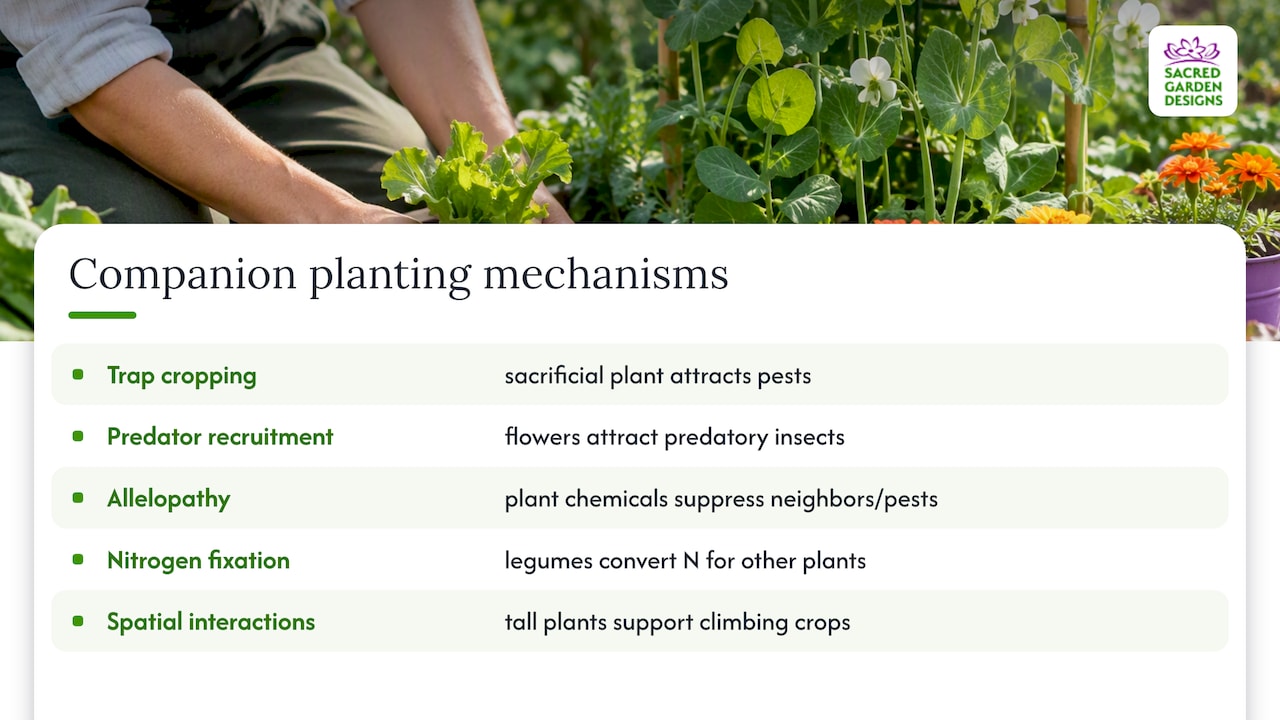
Trap cropping uses a sacrificial plant, like radish near cucumbers, to pull pests away from the main crop. Predator recruitment relies on flowering herbs such as dill or alyssum to draw in beneficial insects that prey on pests. Allelopathy describes chemical interference between plants, which is why black walnut trees suppress many neighbors and why some herb pairings discourage pests through scent. Nitrogen fixation happens when legumes like beans and peas convert atmospheric nitrogen into a form other plants can use. Spatial interactions, like tall corn supporting climbing beans, make better use of limited bed space.
A 2023 review of companion and intercropping research found that repellent volatiles and altered plant chemistry can reduce pest damage, citing examples like reduced Oriental fruit moth activity when okra and castor bean were intercropped. The same review notes that results vary by crop, pest, and region, and that companion planting works best alongside other integrated pest management tactics rather than on its own.
Companion planting can reduce pest pressure in some field trials, but the effect is not always large enough to replace other pest controls. This matches what the PMC review on intercropping describes: benefits appear, but they’re inconsistent enough that gardeners should treat companion planting as a layer of protection, not a guarantee.
Reliable pairings and combinations to avoid
Some combinations show up across gardening traditions and research alike, which makes them a reasonable place to start.
- Three Sisters (corn, beans, squash) uses height, nitrogen fixation, and ground cover together, though extension sources note the method is culturally significant rather than universally proven to boost yield in every modern garden.
- Tomato and basil is a classic pairing gardeners favor for flavor and possible pest confusion near the fruit.
- Marigold with solanums like tomato and pepper is widely used for its reputed effect on soil-dwelling pests.
- Nasturtium as a trap crop pulls aphids away from more valuable plants when placed along a bed’s edge.
- Dill, coriander, and buckwheat attract predatory insects that feed on common garden pests.
A few pairings consistently cause problems. Tomato and potato share blight and several pests, so growing them side by side increases disease risk for both. Black walnut trees release a compound called juglone that stunts or kills many vegetables, including tomatoes and peppers, so garden beds need distance from these trees regardless of companion choices.
Pro Tip: Swap in regionally available herbs if a classic companion doesn’t thrive in your climate, and scale pairings down for containers by using one trap plant or pollinator herb per large pot rather than a full row.
Planning your layout: timing, spacing, and ratios
A companioned bed works better when it starts with a clear goal rather than a random mix of plants.
- Identify your main problem: pest pressure, low pollination, poor soil fertility, or inefficient use of space.
- Map your bed’s sun, soil, and root depths so companions don’t compete for the same resources at the same soil layer.
- Choose companions by mechanism, matching a trap crop or predator-attracting herb to the pest you’re actually seeing, not a generic list.
- Set a workable ratio, such as one trap crop row for every four rows of the main vegetable, so the trap plant draws pests without taking over bed space.
- Stagger planting times so flowering herbs bloom before pests typically arrive, giving predator insects time to establish.
- Adjust for containers or raised beds by reducing ratios to one companion plant per container or per 4 square feet of raised bed.
Extension guidance from Virginia Tech frames this kind of planning as polyculture: a layout that supports pollination, pest management, and soil health, but one that still depends on solid watering and soil practices as the foundation.
Using flowers and herbs to draw in beneficial insects
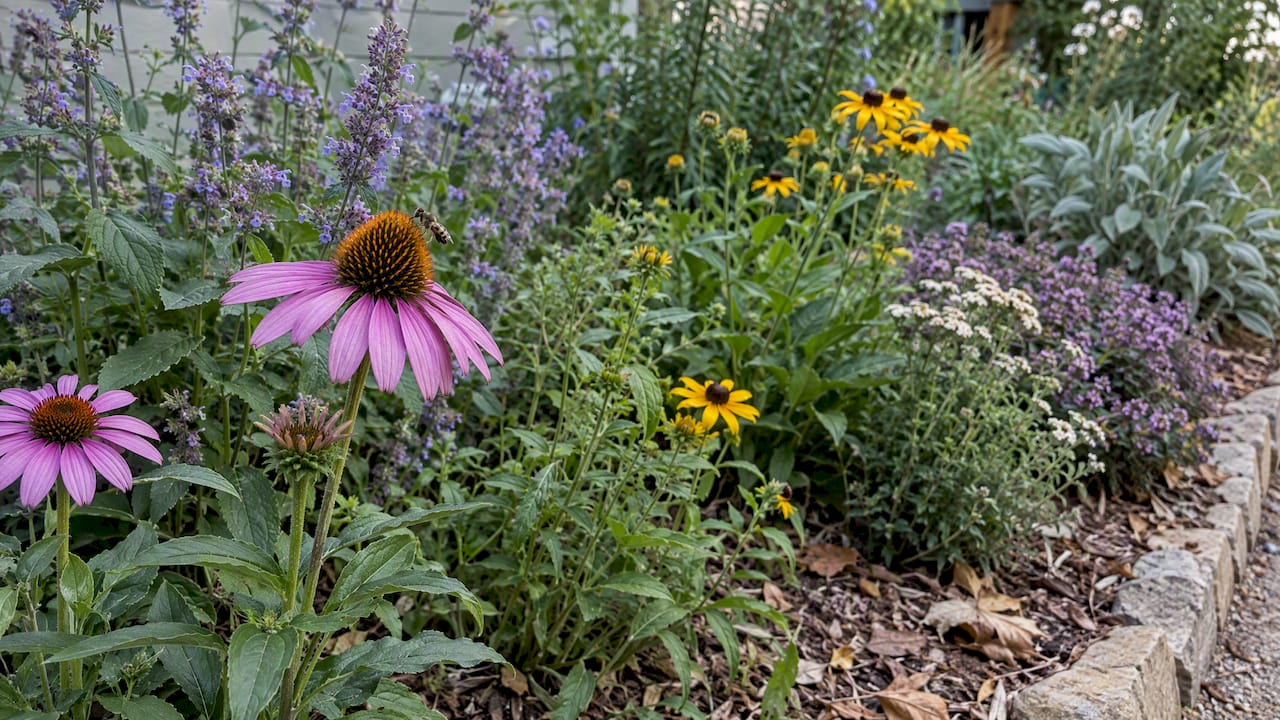
Insectary plants work by giving predatory and parasitic insects a reliable food source and shelter near your vegetables.
- Sweet alyssum attracts hoverflies, whose larvae feed heavily on aphids.
- Buckwheat draws a wide range of small predatory wasps and flies.
- Dill and coriander support ladybugs and lacewings when left to flower.
- Borage brings in pollinators that improve fruit set on squash and tomatoes.
- Calendula attracts beneficial insects while also tolerating poor soil.
Trap crops need active management. Plant them earlier than the main crop or along the border, then monitor regularly and remove or treat the trap plant once pests build up, since an unmanaged trap crop can become a pest reservoir that spreads problems instead of containing them, according to research on trap cropping for pest management.
Pro Tip: Skip generic pollinator seed mixes. The Xerces Society recommends native, region-appropriate flowers with staggered bloom times, since many packaged mixes don’t match the needs of local beneficial insects.
Common companion planting mistakes and fixes
Even a well-planned bed can run into trouble, usually from a handful of repeatable mistakes.
- Overcrowding: thin plants so roots and foliage aren’t competing for water and light.
- Mismatched companion for the pest: swap in a plant matched to the actual pest you’re seeing, not one from a generic list.
- Timing errors: replant insectary flowers earlier next season so they bloom before pests arrive.
- Invasive spread: remove aggressive herbs like mint before they take over nearby beds.
- Resource competition: increase watering or spacing when a vigorous companion is pulling nutrients from the main crop.
If pest pressure stays high after adjustments, scale back and lean on other integrated pest management tactics, like row covers or targeted treatments, rather than forcing a companion pairing that isn’t working.
A water-wise take on companion planting
At Sacred Garden Designs, we treat companion planting as one layer in a larger water-wise system, not a stand-alone fix. In small residential yards, pairing drought-tolerant herbs with vegetables often does more for plant health than adding more companions ever could.
The most useful shift we see homeowners make is matching companion choices to their irrigation zones, so pollinator plants and vegetables with similar water needs sit together. That single change tends to cut down on stressed plants and wasted water.
— Denise Buchanan
Getting professional help with your companion garden
Planning a companioned bed around your yard’s sun, soil, and water system takes some trial and error. Sacred Garden Designs offers sustainable landscape design and installation that builds water-wise beds around these same principles, along with Sacred Garden Classes and Workshops for homeowners who want to learn hands-on.

If you’d rather see your layout mapped out by someone else first, our landscape design services for yards under 5,000 square feet start at $1,500 and cover exactly this kind of planning, or browse backyard design inspiration before your consultation.
Sources
- PMC10672554 — 2023 review on companion/intercropping effects
- Companion Planting in Gardening | VCE Publications | Virginia Tech
- Native Plants for Pollinators and Beneficial Insects (Xerces Society)
FAQ
What plants should be planted next to each other?
Plants that support each other through pest control, pollination, or efficient use of space make the best neighbors, such as tomatoes with basil or beans with corn. The Virginia Tech extension guide offers a practical pairing chart organized by vegetable.
Which vegetables grow well together chart?
A good chart groups vegetables by shared needs and known benefits, like beans fixing nitrogen for heavy feeders such as squash, or carrots paired with onions to help mask pest-attracting scents. The quick-reference chart earlier in this guide covers common vegetables including tomato, pepper, beans, brassicas, carrot, and cucurbits.
Which vegetables should you not plant next to each other?
Tomato and potato should stay apart since they share blight and pest pressure that can spread between them. Vegetables near black walnut trees also struggle, since the tree releases a compound that stunts or kills many common garden plants.
What is companion planting?
Companion planting means growing different plants together so they support each other through pest control, pollination, or better use of soil and space. It works best as part of a broader approach that includes good soil, consistent watering, and regular pest monitoring, as extension research confirms.