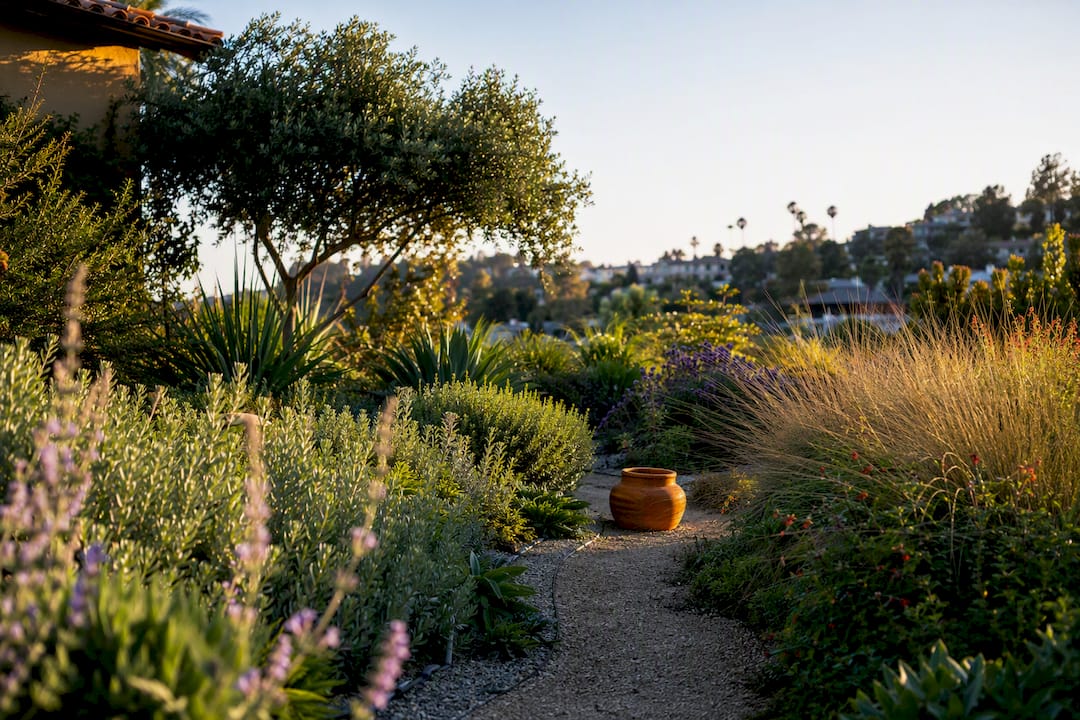
Three things separate a succulent garden that thrives for a decade from one that rots out by spring: fast-draining soil, plants grouped by shared water and light needs, and a layout that accounts for how big everything gets. Get those right and the rest is styling. Denise Buchanan, an editorial contributor for Sacred Garden Designs, breaks down exactly how to sequence that work below.
TL;DR:
- Proper soil amendment with coarse material like pumice or perlite is essential to prevent rot and ensure drainage for succulents.
- Group plants by roles such as thriller, filler, and spiller to create a balanced and visually appealing design, considering each plant’s water needs.
- Position a focal point first and repeat plant groupings across the bed to achieve a cohesive, well-connected layout that supports sightlines.
- Use gravel top dressing and raised mounds to improve drainage, microclimates, and protect tender plants from excess moisture.
- Avoid planting mismatched water-needs plants together, and adjust watering frequency according to each species’ climate and hardiness.
Table of Contents
- What Are the Core Principles of Succulent Garden Design?
- How Do You Choose the Right Succulents for Your Climate?
- Getting the Soil and Drainage Right
- Planning Your Layout: Sightlines and Planting Patterns
- How to Plant a Succulent Garden Step by Step
- Long-Term Maintenance, Pruning, and Winter Care
- A Practitioner’s View From Sacred Garden Designs
- What Companion Plants Work Well With Succulents?
- What Gardeners Consistently Get Wrong
- Get Professional Help for Your Succulent Garden Project
- Sources
What Are the Core Principles of Succulent Garden Design?
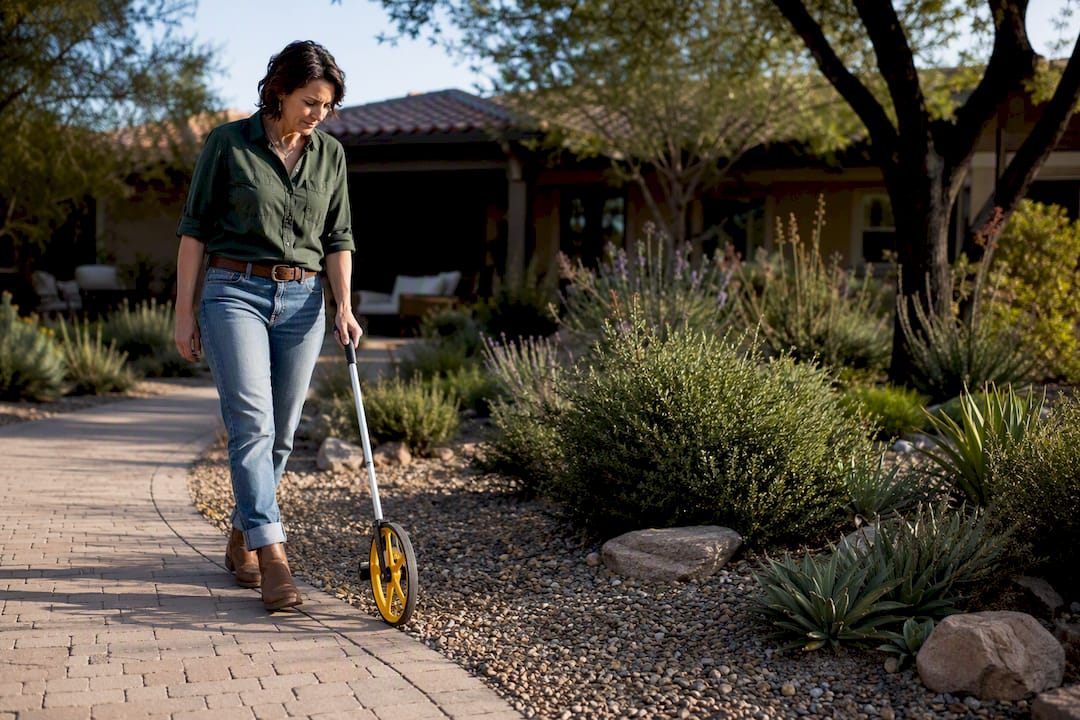
Good succulent garden design starts with proportion. A three-foot Agave planted against a two-story house disappears; the same plant next to a low retaining wall or a garden bench reads as a statement piece. Before placing a single plant, walk your space and note what’s already tall (fences, trees, rooflines) and what’s low (pathways, curbs). Your succulents need to relate to those existing lines, not compete with them.
Repetition does more visual work than variety. A bed with one of everything looks like a plant collection, not a garden. Designers consistently recommend planting in small groups of three or five and layering by height rather than scattering singles, because odd numbers and repeated clusters create rhythm the eye can follow across a bed.
Texture is where succulents genuinely outperform most other drought-tolerant plants. You’ve got tight rosettes (Echeveria), architectural spikes (Agave, Yucca), and loose trailing forms (Sedum morganianum) all available in the same plant family. Mixing silhouettes, rosette against spike against trailer, gives a bed depth without adding a single new color.
Rocks and gravel aren’t just decoration. A layer of crushed rock top dressing insulates the soil, moderates temperature swings, and keeps foliage off wet ground, which matters more for succulents than almost any other plant category since wet leaves against damp soil is exactly how crown rot starts.
- Match plant height to nearby hardscape and structures before choosing color or bloom.
- Cluster in threes or fives instead of planting singles across the bed.
- Mix rosette, spike, and trailing forms for texture without adding new colors.
- Use gravel top dressing for both looks and moisture control.
Pro Tip: Stand at your front door or main window and sketch what you actually see before you plant anything. Most design mistakes happen because people plan from a bird’s eye view instead of the angle they’ll actually look at every day.
How Do You Choose the Right Succulents for Your Climate?
Borrow the container designer’s trick for beds, too: thriller, filler, spiller. A thriller is your focal plant, something upright and architectural like Agave attenuata or a tree Aloe. Fillers are the mid-height mass, Echeveria and Kalanchoe work well here. Spillers trail over edges and rock walls, and that’s Sedum’s job, along with Senecio in the right spot. This role-based framework keeps a bed from looking flat no matter how small the space.
Water needs vary more within the succulent family than most gardeners expect. Sempervivum and hardy Sedum tolerate real winter cold and irregular water, making them the safer bet for exposed beds or gardeners who travel. Echeveria and Aloe want more consistent warmth and better protection from frost, so they belong in south-facing beds or near heat-retaining hardscape. Grouping plants with mismatched water tolerance in the same bed is the single most common reason a succulent garden fails within its first year, one section thrives while its neighbor either rots or shrivels.
Before you fall for a plant at the nursery, look up its mature spread. Agave americana looks like a manageable rosette at a gallon size and becomes a five-foot spiked hazard within a few years. Check a source like the Missouri Botanical Garden’s plant profiles for hardiness zone and mature size before you commit a plant to a permanent bed rather than a container you can move.
- Thriller: Agave, tree Aloe, or Yucca for vertical structure.
- Filler: Echeveria, Kalanchoe, and Graptopetalum for mass and color.
- Spiller: Sedum morganianum or trailing Senecio for edges and walls.
- Cold-hardy picks: Sempervivum and Sedum for exposed or unpredictable sites.
- Tender picks: Echeveria and Aloe for protected, warm microclimates.
Getting the Soil and Drainage Right
Drainage isn’t one factor among several. It’s the factor. Amending soil with pumice and other coarse material to prevent crown and root rot is the single change that determines whether a succulent garden survives its first rainy season.
For average garden soil, a working mix is roughly half native soil, a quarter coarse sand, and a quarter pumice or perlite.
- Test drainage by digging a hole and filling it with water; if it hasn’t drained within a few hours, your clay content is too high for a light amendment.
- Remove and amend soil to the depths above based on your native soil type.
- Shape mounds or berms raised above ground level in beds where you want your most cold-sensitive plants.
- Top-dress with gravel, keeping it pulled back slightly from every crown to prevent moisture buildup.
- Run drip irrigation lines beneath the gravel layer, not on top, so water reaches roots without wetting foliage.
Mounding does double duty. Shaping the ground into mounds and berms improves drainage and creates warmer, drier microclimates within a single bed, which means you can push a tender Echeveria higher on a berm while keeping hardy Sedum at the base where moisture collects. That 1 to 2 inch gap between gravel and crown isn’t cosmetic. Gravel piled against a stem traps moisture right where rot starts.
Planning Your Layout: Sightlines and Planting Patterns
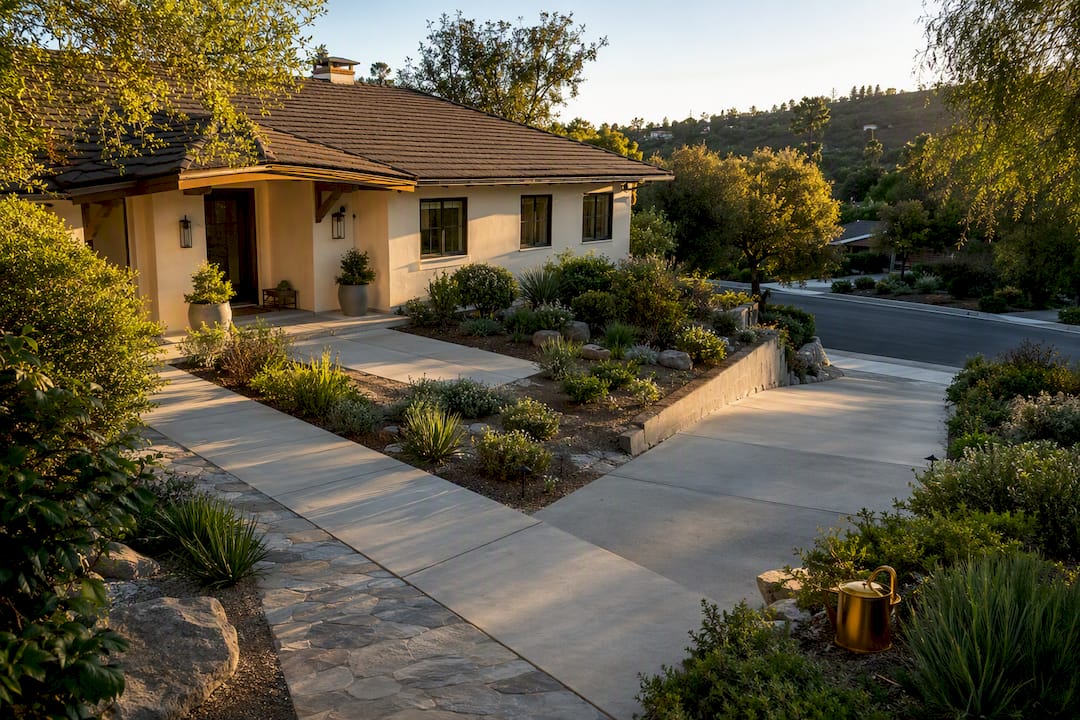
Pick your focal point before anything else goes in the ground. A large boulder, a specimen Agave, or a simple bench gives the eye somewhere to land, and everything else in the bed should support that point rather than compete with it. Align it with the sightline from your front door, driveway, or the window you look through most.
From there, repeat plant groupings across the bed rather than treating each section as its own composition. If you’ve clustered three Echeverias near the entry, echo that same grouping (not necessarily the same plant) farther down the path. This is what turns a collection of nice plants into a garden that reads as one connected design.
Spacing matters more with succulents than with typical perennials, because many spread wider than their nursery pot suggests. Leave enough room between clusters for airflow. Crowded plantings trap humidity at the base, and that’s a rot risk regardless of how well you’ve amended the soil.
- Set your focal point first, then build sightlines from your main viewing points.
- Repeat groupings (not single plants) across the bed to unify the design.
- Leave airflow gaps between clusters; don’t pack succulents shoulder to shoulder.
- Use containers at entries and edges, then echo those same plants in the ground beds nearby.
- In small yards, one strong focal point beats three competing ones; in larger spaces, repeat that same focal treatment at intervals.
Containers deserve a specific role here rather than an afterthought. Use them at transitions, an entry step, a patio corner, and pull at least one plant variety from your container into the ground bed nearby so the two feel connected instead of like separate projects.
How to Plant a Succulent Garden Step by Step
Before you dig, stage your plants where they’ll actually go and live with the arrangement for a day. Gather your tools: a spade, a soil knife or trowel, your amendment materials, gravel, and gloves (some succulents have genuinely sharp edges).
- Dig each planting hole slightly wider than the root ball, not deeper.
- Amend the removed soil at the ratios covered above and backfill partway.
- Set the plant so its crown sits at or slightly above grade, never below.
- Backfill around the roots, firming gently without compacting the soil.
- Top-dress with gravel, keeping the 1 to 2 inch gap from the crown.
- Water thoroughly once at planting to settle the soil, then hold off for a week to let roots establish.
For the first year, water deeply but infrequently during the summer months, far less in cool or rainy months. Adjust by microclimate: a bed on a warm south wall dries faster than one tucked against a shaded fence.
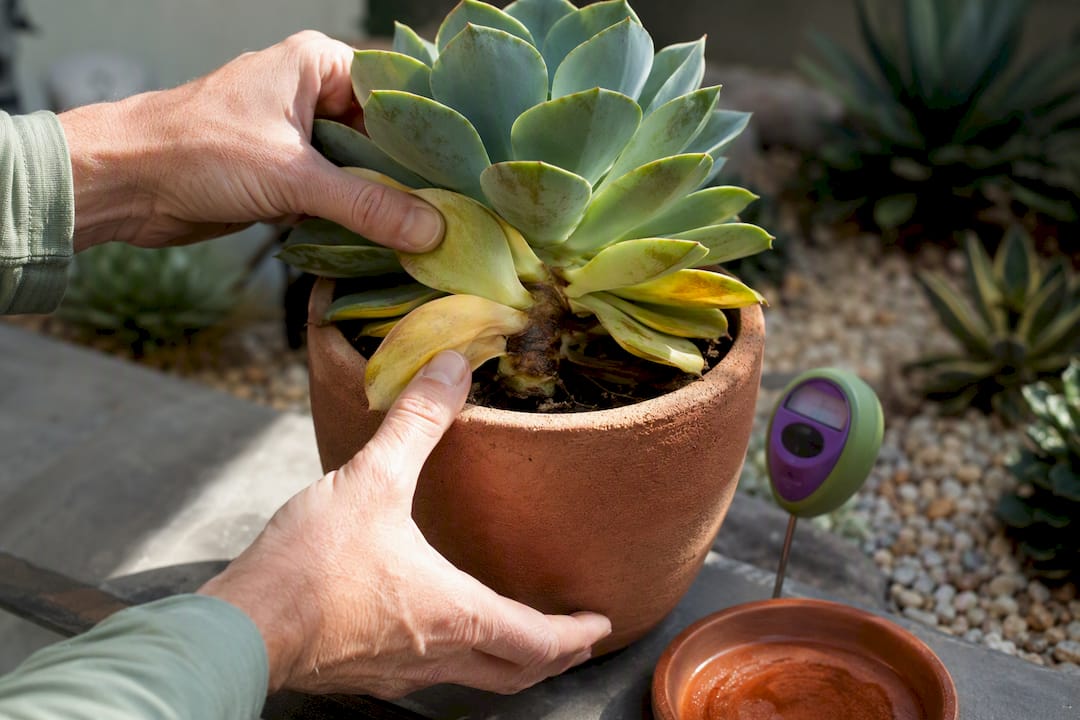
Pro Tip: Watch new plantings for yellowing or a mushy base in the first few months. That’s almost always overwatering, not underwatering, since succulents show drought stress far more slowly than they show rot.
Long-Term Maintenance, Pruning, and Winter Care
Succulent maintenance is light but not zero. Prune leggy growth in spring to keep rosettes compact, and remove spent flower stalks once they brown. Every two to three years, dig up crowded clumps of Echeveria or Sempervivum and separate the offsets, replanting them with proper spacing to prevent the rot that comes from overcrowding.
In marginal climates, tender species need a plan before the first frost. Move potted Echeveria and Aloe indoors or under eaves, and consider frost cloth for in-ground specimens you can’t relocate. Cold-hardy Sempervivum and Sedum can usually stay put through winter without help.
- Prune leggy stems and spent blooms each spring.
- Divide crowded clumps every 2 to 3 years to prevent overcrowding rot.
- Move tender potted succulents indoors before cold weather arrives.
- Watch for mealybugs and scale; extension IPM guidance covers non-chemical control options for both.
- Check the maintenance archive on the Sacred Garden Designs blog for seasonal task reminders.
A Practitioner’s View From Sacred Garden Designs
After many years designing water-wise landscapes, including work featured on HGTV’s “Ground Rules” and multiple HOUZZ Awards, professional landscape designers have seen most succulent garden failures trace back to one thing: soil prep skipped to get to the fun part faster. DIY works well for a single bed or container arrangement. Once you’re grading a slope, integrating irrigation, or converting an entire yard, bringing in a design-build professional saves you from redoing the whole project in year two.
What Companion Plants Work Well With Succulents?
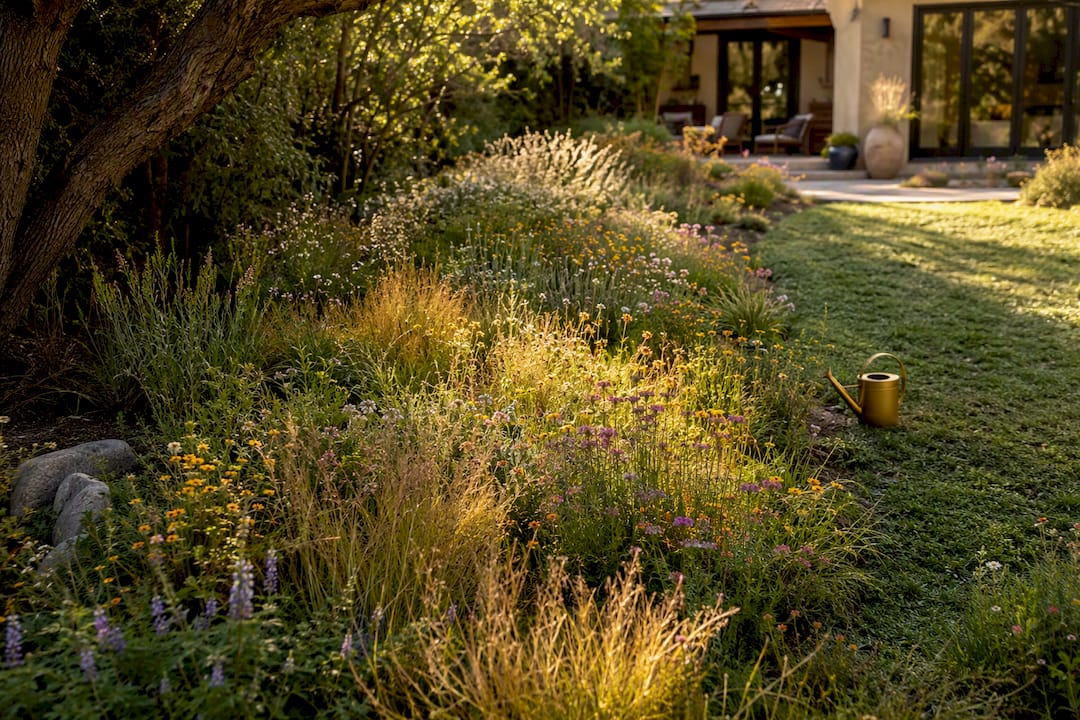
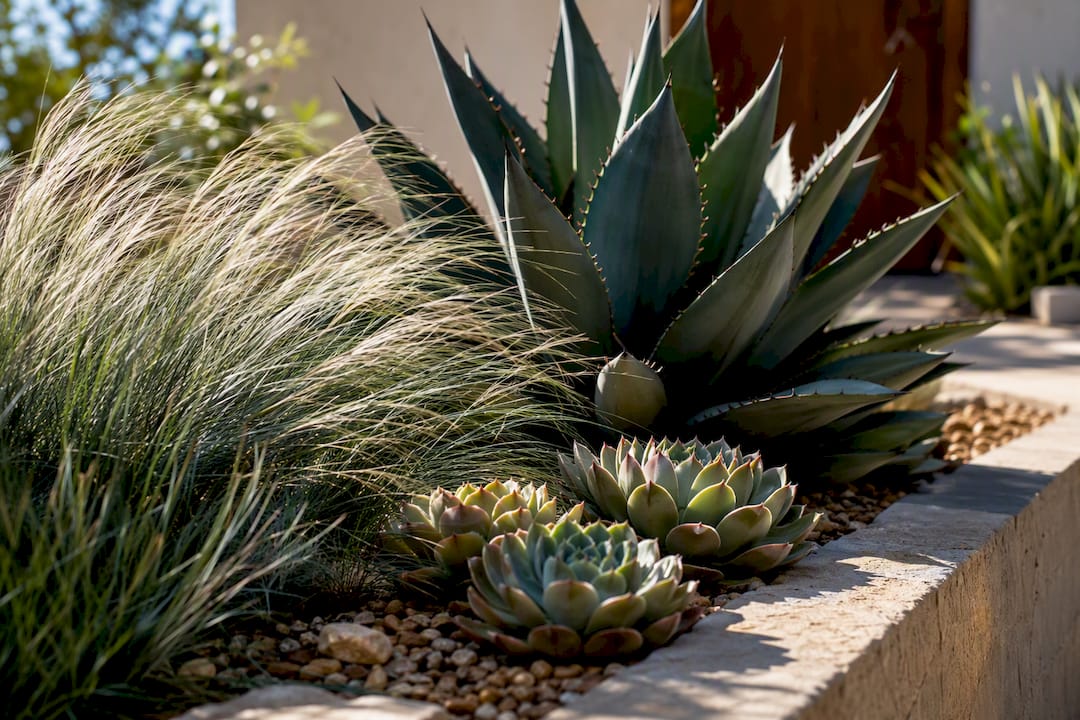
Not every plant next to a succulent bed needs to be a succulent. Ornamental grasses like blue fescue or Muhlenbergia share the same low-water needs and add a soft, moving texture that succulents can’t provide on their own. Their fine blades also contrast nicely against Agave’s rigid spikes or Echeveria’s tight rosettes.
Mediterranean herbs, lavender, rosemary, and santolina, tolerate the same fast-draining soil and infrequent watering succulents demand, which makes them practical bed mates rather than just a matching aesthetic. Californian and Southwest natives like Salvia and Penstemon extend bloom color through seasons when most succulents are simply holding steady green and gray tones.
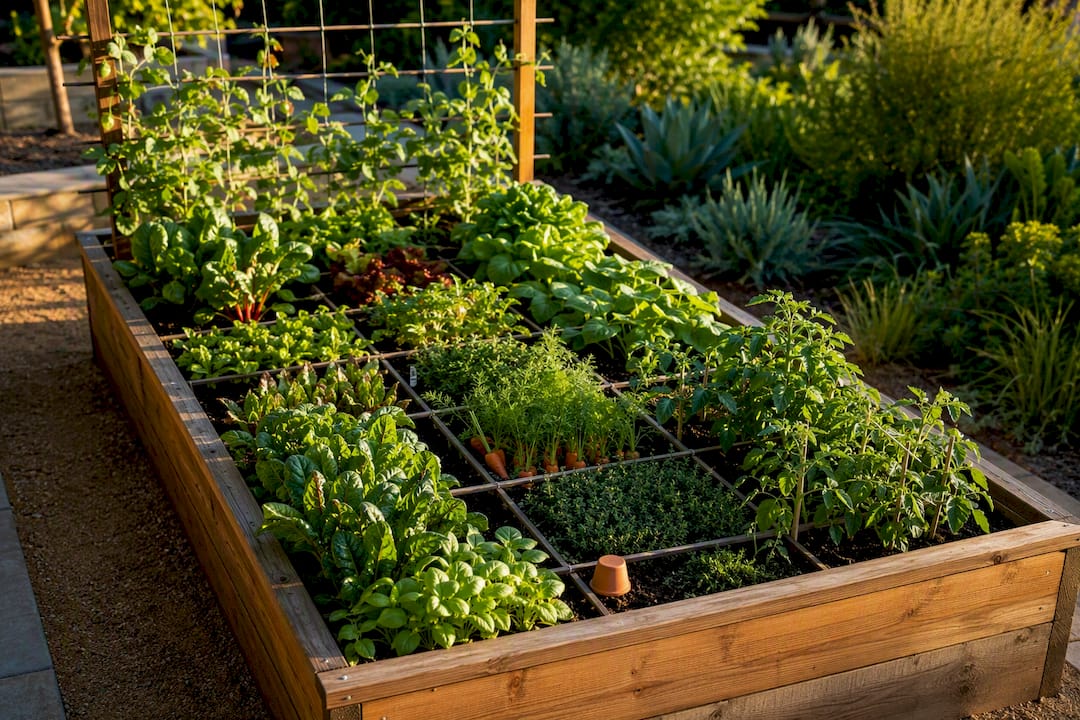
The key constraint is drainage compatibility. A companion plant that wants regular moisture, most annuals, many vegetables, standard turf grass, will struggle in the same amended soil that keeps your succulents healthy, and watering to satisfy that thirstier plant puts your succulents at rot risk. Stick to companions rated for the same low-water tier, and you get a bed with more seasonal interest without undoing the drainage work you just did.
What Gardeners Consistently Get Wrong
The mistakes I see repeated most often: skipping soil amendment because the plants look fine at first, underestimating how large an Agave or Aloe will get in five years, and watering succulents on the same schedule as everything else in the yard. Each one is fixable before it starts.
Start smaller than you think you should. One container vignette or a single test bed teaches you more about your site’s drainage and sun pattern than any amount of planning on paper.
— Denise Buchanan
Get Professional Help for Your Succulent Garden Project
If your project is bigger than a weekend bed, full yard conversion, slope work, or a garden that needs integrated irrigation, a professional design-build team can handle grading, drainage, and irrigation placement as one coordinated plan instead of three separate guesses.

Professional landscape designers work across sustainable landscape design, water-wise garden planning, irrigation system design, and full installation, applying the same drainage-first principles covered above at the scale of an entire property. Large conversions especially benefit from professional grading and irrigation layout, since a mistake in either one is expensive to undo once plants are in the ground. If you’re weighing a full-yard succulent conversion or need irrigation designed around mounded beds, get in touch with Sacred Garden Designs to talk through your site and get a plan built around your specific slope, sun, and soil.
Sources
For deeper detail on the soil ratios and mounding techniques covered above, the UCANR succulent garden design guide is the primary technical source. For region-specific layout ideas suited to hot, dry climates, see Fine Gardening’s Southwest design guide. For individual plant hardiness and care specifics, check Missouri Botanical Garden’s plant finder before adding any new species to a permanent bed.