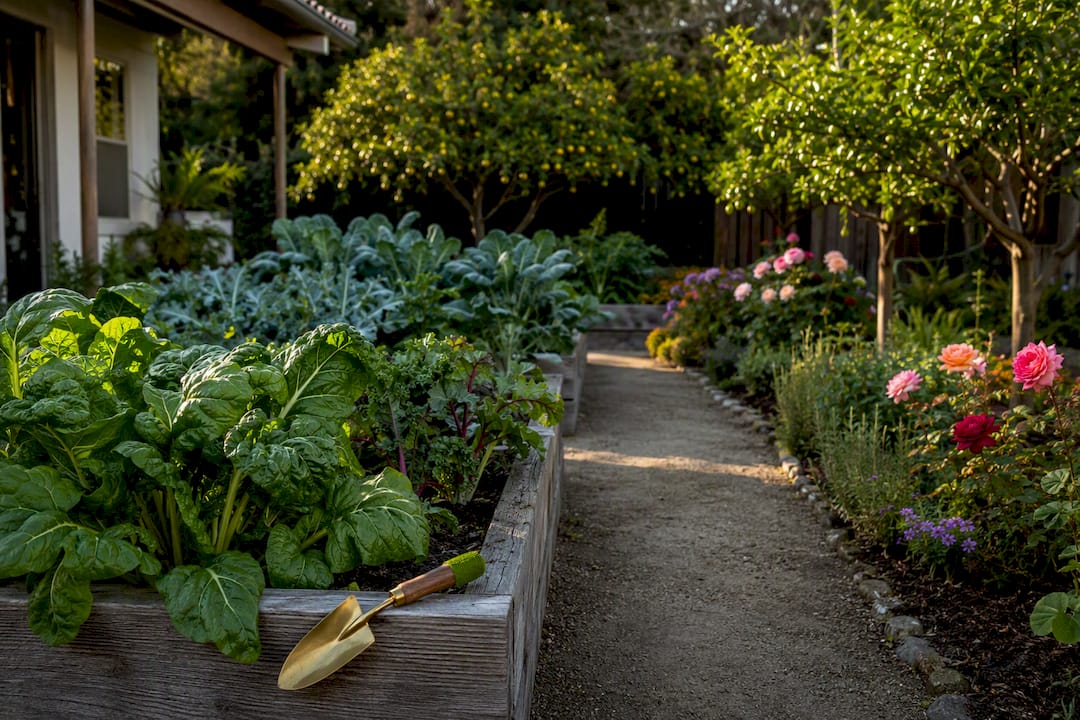
Yes: properly placed and maintained trees can meaningfully cool local areas, reduce runoff, and store carbon, but they are not a substitute for cutting fossil-fuel emissions. Urban forests run about 3.0°F cooler than comparable non-green areas and can intercept 15 to 27% of annual rainfall, yet the wrong species in the wrong place can offset some of those gains through reduced surface reflectivity. Siting and species choice decide whether a tree helps or just looks nice.
TL;DR:
- Proper species selection based on future climate projections and site factors is crucial for long-term resilience and maximizing cooling benefits.
- Strategic placement of trees on the west or southwest sides of buildings significantly enhances summer cooling while avoiding unnecessary shade in winter.
- Establishing a diverse mix of species and sourcing from provenance-aware nurseries reduces risks from pests, diseases, and climate change.
- Consistent deep watering, mulching, and early pest monitoring during the first five years are vital for ensuring tree survival and eventual climate benefits.
- Focusing on conserving existing natural forests offers greater carbon storage and resilience than large-scale new plantings, which should complement emissions cuts.
Table of Contents
- Benefits at a glance: cooling, stormwater, carbon and air quality
- How trees change local climate: shading, transpiration and albedo
- Choosing species for a changing climate
- Site design and placement to maximize cooling and stormwater benefits
- Establishment and maintenance: watering, mulching and monitoring
- Limits, trade-offs and unintended consequences
- Planning frameworks and targets for measurable canopy goals
- How Sacred Garden Designs applies these principles
- Why practical design choices matter more than tree counts
- Bringing climate-resilient tree strategies to your landscape
- Sources
- FAQ
Benefits at a glance: cooling, stormwater, carbon and air quality
Trees deliver measurable returns across several categories at once, which is why planners treat canopy cover as its own kind of infrastructure.
- Cooling: urban forests average 3.0°F (1.6°C) cooler than comparable paved or bare areas, and shading nearby buildings can cut energy demand by about 10%.
- Stormwater: tree canopy intercepts roughly 15 to 27% of annual rainfall, easing pressure on storm drains and reducing flooding risk.
- Carbon: a single tree stores carbon slowly over decades, so the climate value comes from canopy and stand-level accumulation, not any one planting.
- Air quality and health: cleaner air and lower ambient heat translate into fewer heat-related health complaints in shaded neighborhoods.
A mature street tree can shave nearly 10% off a nearby building’s summer energy demand, according to the EPA’s benefits of trees and vegetation research, a figure planners increasingly used to justify canopy investment alongside stormwater upgrades.
How trees change local climate: shading, transpiration and albedo
Two mechanisms do most of the cooling work. Shading blocks direct solar radiation from hitting pavement and walls, while transpiration releases moisture that cools the surrounding air the way sweat cools skin. In hot, dry climates transpiration often matters more; in humid climates shading tends to dominate because the air is already near saturation.
Albedo complicates the picture. Trees are generally darker than bare soil, snow, or light-colored pavement, so adding canopy can lower the surface’s reflectivity and, in some regions, offset part of the carbon benefit gained through sequestration. Some tree species also emit biogenic volatile organic compounds, or BVOCs, which can contribute to ground-level ozone formation under the right heat and sunlight conditions. Choosing lower-BVOC species reduces that risk without giving up shade or canopy volume.
- Shading works best against direct summer sun; transpiration matters more in arid heat.
- Albedo effects are strongest at high latitudes and in snow-prone or dryland regions.
- BVOC output varies widely by species, so it belongs in the selection checklist, not as a blanket objection to trees.
- A single tree barely moves a neighborhood’s temperature; a connected canopy does.
Choosing species for a changing climate
Picking species for the climate a site has today is a mistake if that tree needs to survive 40 or 60 more years of warming. A climate-analogue approach solves this by identifying a place that already has the climate your city is projected to experience, then drawing candidate species from what already thrives there.
- Check drought tolerance and expected water need at maturity, not just at planting.
- Match canopy form and mature size to the available soil volume and overhead space.
- Favor deep or well-spread rooting habits over shallow, pavement-lifting roots.
- Screen for pest and disease resilience specific to your region.
- Prefer lower-BVOC species where ozone formation is already a local concern.
Diversity matters as much as any single trait. Planting one “climate-proof” species across an entire district creates biotic homogenization: if a new pest or pathogen arrives, the whole canopy is exposed at once. A varied portfolio of species and genotypes spreads that risk, even if a few individual trees are less heat-tolerant than the single best performer. Source nursery stock from growers who track provenance, since seed origin affects how well a tree adapts to local soil and rainfall patterns.
Pro Tip: Order climate-forward stock at least a year ahead. Nurseries carrying well-documented provenance often sell out of the best-adapted genotypes before planting season.
Site design and placement to maximize cooling and stormwater benefits
Where a tree goes matters almost as much as which tree it is. Placement on the west or southwest side of a building blocks the hardest afternoon sun, while deciduous species on the south side allow winter light through bare branches once the leaves drop. Getting this wrong means paying for shade you do not need in January and missing the cooling you wanted in July.
- Plant large-canopy species on the west and southwest sides of structures for maximum summer cooling.
- Use structural soil cells or suspended pavement systems to give roots enough volume under sidewalks and parking areas, as recommended in EPA stormwater tree guidance.
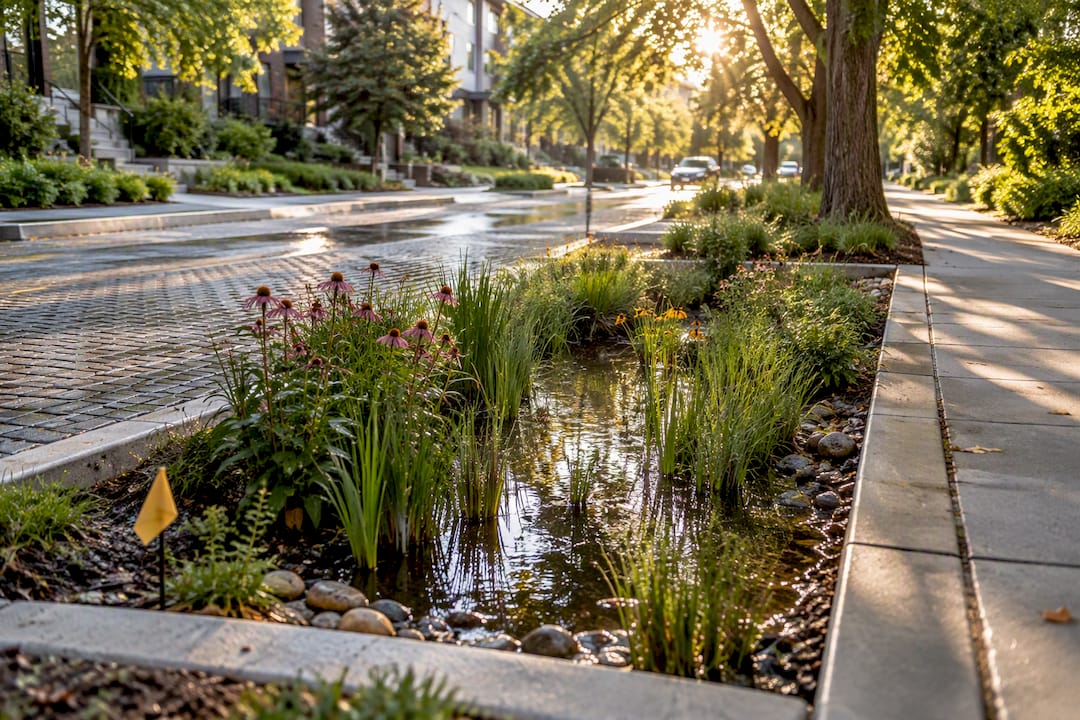
- Integrate trees into bioretention areas and stormwater tree pits so canopy and drainage work together instead of competing for space.
- Keep mature canopy width and root spread in mind before planting near power lines or underground utilities.
Long-term canopy planning means picturing the tree at maturity decades after planting, not at delivery from the nursery.
Establishment and maintenance: watering, mulching and monitoring
The first three to five years decide whether a tree survives long enough to deliver any climate benefit at all. Regular deep watering, not frequent shallow watering, builds the root system that gets a tree through later drought stress.
- Water deeply once or twice a week during establishment, adjusting downward in cooler or wetter climates and upward in arid ones.
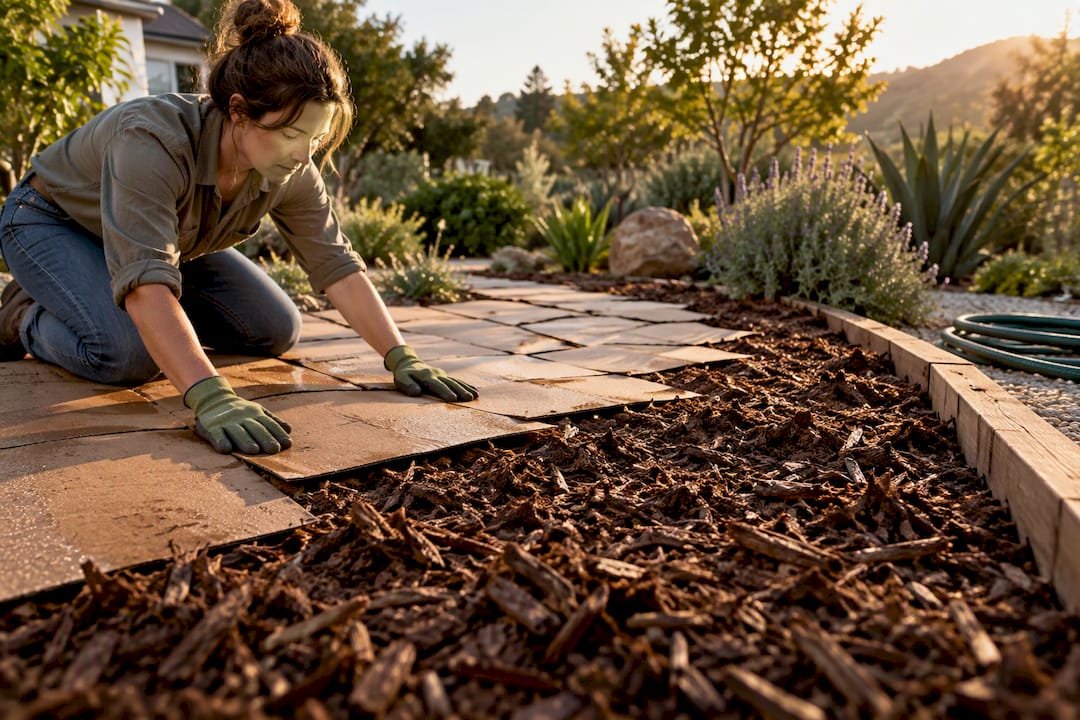
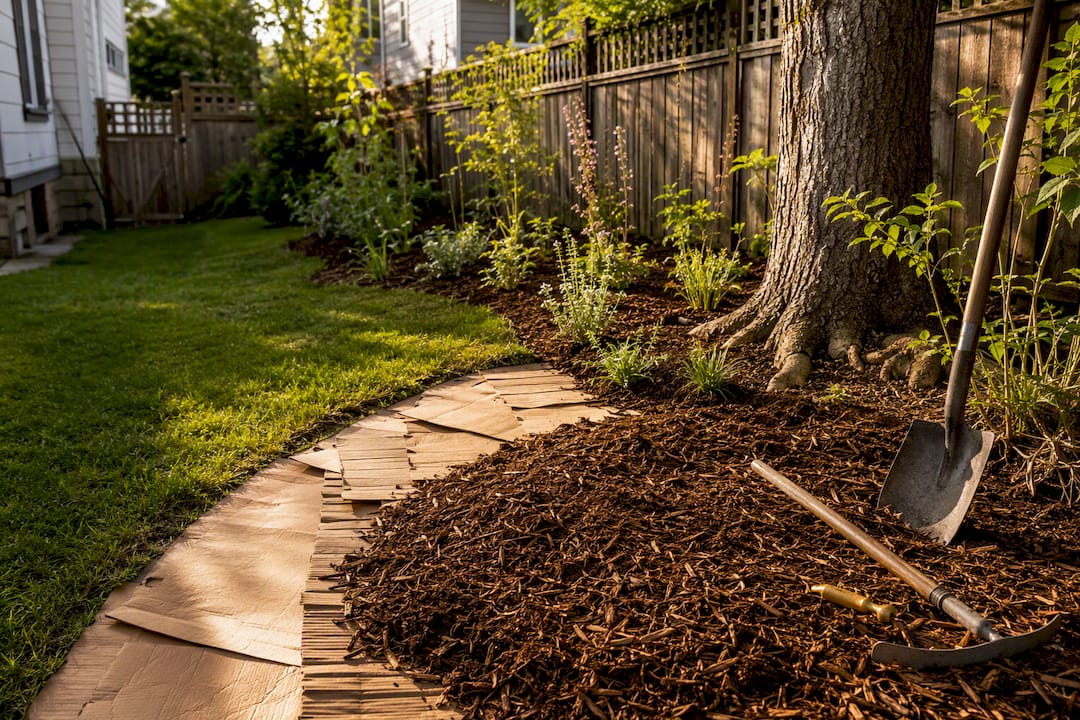
- Apply a 2 to 4 inch mulch ring away from the trunk to hold moisture and moderate soil temperature.
- Keep the root flare exposed rather than buried, which prevents rot and girdling roots.
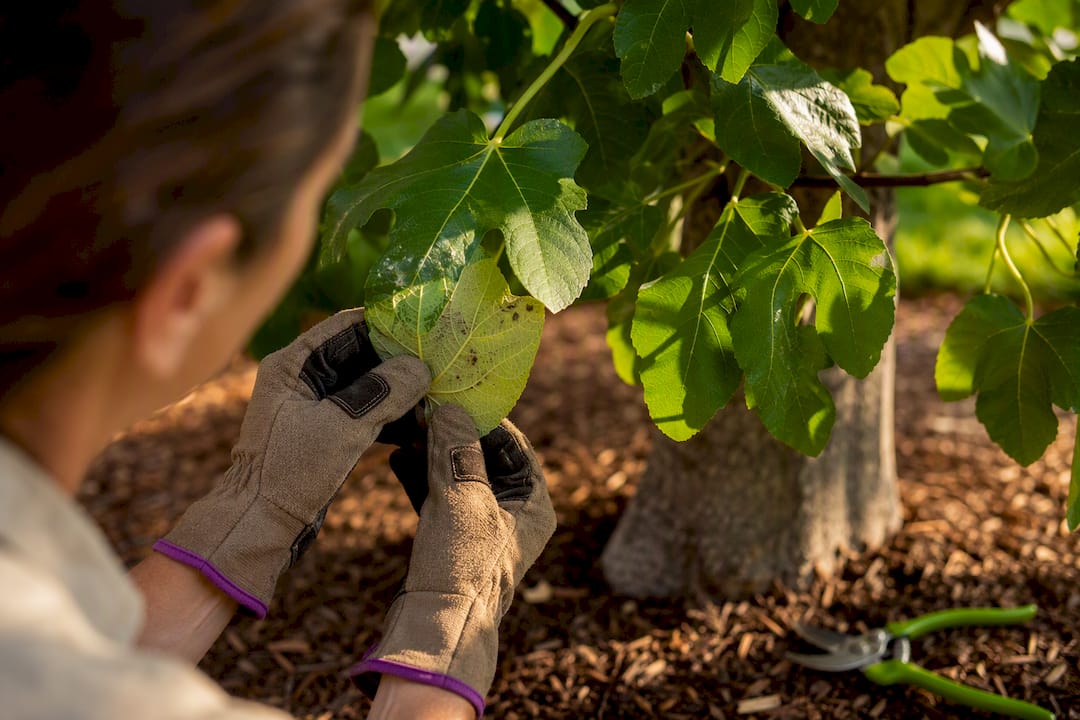
- Inspect quarterly for pest activity, dieback, or leaf discoloration and act early.
- Match the maintenance plan to what the owner or municipality can realistically sustain over a decade, not just the first year.
Pro Tip: A tree that survives its first summer drought is far more likely to survive the next one. Establishment-year watering is the single highest-leverage investment in long-term canopy survival.
Integrated pest management, as outlined by garden pest specialists, catches problems while they are still manageable rather than after a tree is already compromised.
Limits, trade-offs and unintended consequences
Tree planting is not universally beneficial, and pretending otherwise leads to wasted money and, occasionally, worse climate outcomes. Afforestation at high latitudes or in snow-prone regions can lower surface reflectivity enough that the albedo penalty cuts into or cancels the carbon benefit, a trade-off documented in recent nature-based solutions research.
- Arid cities face a real trade-off: irrigation keeps trees alive but strains already scarce water supplies.
- Treated wastewater reuse and low-water species selection reduce that tension without abandoning canopy goals.
- Fire-prone regions need species selection and spacing that account for wildfire risk, not just cooling potential.
- Ongoing monitoring catches pest outbreaks and drought stress before they undo years of establishment work.
Conserving and restoring existing natural forests remains a higher priority than large-scale new plantations, according to a multi-author review of nature-based climate solutions, since intact forests already store more carbon and tend to be more resilient than young plantings. Trees complement emissions cuts. They do not replace them.
Planning frameworks and targets for measurable canopy goals
The 3-30-300 rule gives planners and homeowners a simple benchmark: every resident should see 3 trees from their home, live in a neighborhood with 30% canopy cover, and be within 300 meters of green space. It is a starting point, not a universal prescription, since arid or high-density cities may need to adapt the numbers to local water and space constraints.
- Set incremental canopy targets, such as a percentage increase over five years, rather than an open-ended “plant more trees” goal.
- Track survival rate at the three to five year mark, since a planting program that loses half its trees delivers half the promised benefit.
- Use canopy cover and basic temperature or energy-use proxies as low-cost monitoring indicators.
- Align canopy goals with stormwater management and with equitable distribution across neighborhoods, since heat and flooding rarely fall evenly across a city.
How Sacred Garden Designs applies these principles
Drought-prone landscape work forces a soil-first mindset: build the soil profile before selecting species, then group plants by water need so irrigation zones do not waste water on mismatched plantings. That sequencing, paired with deliberate species diversity rather than a single “safe” choice, tends to produce canopy that survives its establishment years.
- Confirm soil volume and drainage before finalizing species selection, not after.
- Group trees and shrubs by water requirement to simplify irrigation design.
- Ask any contractor for a written establishment and maintenance timeline, not just a planting plan.
- Request species diversity in the planting palette rather than a single repeated selection.
Homeowners and planners vetting a designer can use that same checklist regardless of who they hire.
Why practical design choices matter more than tree counts
Tree-planting campaigns love a big number, but a thousand seedlings that die in their second summer help no one. What matters is preserving the mature trees already doing the work, planning for species diversity from day one, and budgeting for establishment care as seriously as for the planting itself. Set goals you can measure in five years, not slogans you can announce in one.
— Denise Buchanan
Bringing climate-resilient tree strategies to your landscape

Choosing the right species is only half the job. Getting trees through establishment, designing irrigation that matches real water need, and integrating canopy into a broader stormwater and shade strategy is where most home and community plantings fall short. Sacred Garden Designs works through that sequence directly with clients rather than handing over a planting plan and walking away.
- Landscape design that plans soil, irrigation, and species selection together from the start.
- Irrigation design and installation sized to the actual water needs of the plants chosen.
- Tree trimming and garden maintenance to keep established canopy healthy.
- Classes and workshops for readers who want hands-on planting and maintenance skills.
A design-build approach means the same team that plans the canopy also installs and maintains it, which helps avoid handoff problems that can harm young trees before they mature. Start with a full landscape design built around climate-resilient species and site-specific irrigation.
Sources
Readers who want the primary documents behind this guidance can start with the EPA’s benefits of trees and vegetation page for cooling and stormwater figures, the EPA stormwater and trees technical memorandum for soil and engineering standards, and the peer-reviewed review on nature-based tree planting for a balanced look at opportunities and trade-offs. The company blog and Plant a Tree philosophy page offer applied follow-up reading.
- Benefits of Trees and Vegetation | US EPA
- Planting Trees as a Nature-Based Solution to Mitigate Climate Change: Opportunities, Limits and Trade-Offs | PMC
FAQ
What is the best tree to plant for climate change?
There is no single best tree since the right choice depends on local climate, soil, and available space. A climate-analogue approach, matching species proven in a region with your area’s future projected climate, gives a more reliable answer than any generic list.
Why did some experts say not to focus only on planting trees?
The concern is that large-scale new tree planting can distract from conserving existing forests, which already store more carbon and tend to be more resilient than young plantations. Reviews of nature-based climate solutions stress that protecting intact forests is a higher priority than mass new planting campaigns.
Do trees help against climate change?
Trees help by cooling local areas, reducing stormwater runoff, and storing carbon over decades, with urban forests running about 3.0°F cooler than comparable non-green areas. They work best as a complement to cutting fossil-fuel emissions, not as a replacement for it.
Why do some see a particular year as a climate turning point?
Various climate targets and reports point to specific years as thresholds for limiting warming, but no single year functions as an absolute cutoff after which action becomes pointless. The more useful framing is that emissions reductions and resilience measures, including tree canopy, deliver more benefit the earlier they start.
How long does it take for a newly planted tree to provide real cooling benefits?
Meaningful cooling and stormwater benefits typically build over the first decade as canopy size increases, with the fastest gains occurring once a tree survives its establishment years. Consistent watering and mulching during the first three to five years directly determines whether a tree reaches that stage.