Yes, gardening reduces stress: short sessions lower cortisol and lift mood, and the effect shows up in both the body and how people feel. A simple daily ritual, even just 10 to 30 minutes of hands-on plant care, delivers an immediate calming effect, and sticking with it over weeks tends to ease symptoms of anxiety and low mood too.
TL;DR:
- Engaging in just 10 to 30 minutes of daily gardening can significantly lower cortisol levels and improve mood, especially when done consistently over weeks.
- Short outdoor or indoor plant-care sessions are proven to decrease physiological stress markers and boost positive emotions more effectively than passive activities like reading.
- A structured routine involving focused tasks, sensory engagement, and reflection enhances the calming benefits and can be adapted for small spaces or any physical ability.
- Group horticultural programs provide additional mental health benefits, particularly for reducing depression and anxiety symptoms, with participation frequency being a key factor.
- Safety precautions such as gloves, ergonomic tools, and gradual pacing are essential, and gardening complements but does not replace professional mental health treatment.
Table of Contents
- What the research shows: cortisol, HRV, and mood scales
- A reproducible gardening-for-relaxation routine
- Practical activities and calming plants for small spaces and big plots
- Make gardening restorative: ergonomics and pacing
- How group programs and therapeutic horticulture increase benefits
- When gardening isn’t enough: safety and cautions
- Why these recommendations hold up
- Seasonal gardening adaptations for continuous year-round stress relief
- A short reflection and a one-week challenge
- Classes and low-effort garden design that make this easier
- FAQ
- Sources
What the research shows: cortisol, HRV, and mood scales
The strongest evidence for gardening as a stress reliever comes from studies that measure the body directly rather than relying only on self-report. A field experiment found that 30 minutes of outdoor gardening after a stressful task produced a significantly greater drop in salivary cortisol than 30 minutes of indoor reading, and positive mood was fully restored in the gardening group but not the reading group. That single comparison matters because it isolates gardening against another common relaxation activity and still finds a physiological edge.
Other work looks at what happens inside the body during plant care itself. Randomized crossover studies found that active interaction with indoor plants, such as transplanting, reduced sympathetic nervous system activity and lowered diastolic blood pressure compared with a computer task, and participants described feeling more comfortable and soothed afterward. A separate 2021 study tracking multiple salivary biomarkers found that flower appreciation lowered cortisol and farm work both lowered cortisol and raised oxytocin, alongside significant improvements across several negative mood subscales on the POMS2 scale.
A 2025 systematic review and meta-analysis found horticultural interventions produced a large effect on depression (SMD = -1.01) and a moderate effect on anxiety (SMD = -0.62), and it identified 100 to 500 total minutes of engagement as the range most consistently tied to benefit. A related 2024 meta-analysis of social and therapeutic horticulture programs reported the same effect sizes for depression and anxiety, while flagging real variability across the underlying studies.
That caveat is worth taking seriously. The research pool mixes:
- Small sample sizes, often a few dozen participants per study
- Different populations, from college students to older adults in care settings
- Varied interventions, ranging from a single 30-minute session to months of structured programming
None of that erases the pattern. It does mean gardening behaves like most behavioral interventions: reliably helpful on average, with effect size that depends on dose, setting, and who is doing it.
A reproducible gardening-for-relaxation routine
You do not need a greenhouse or a weekend to get the physiological benefit the research describes. A short, structured session built around three phases turns loose plant care into something closer to a repeatable mindfulness practice.
- Ground yourself for two to three minutes. Stand or kneel near your plants, take a few slow breaths, and notice the temperature of the air and the light on the leaves before you touch anything.
- Do one focused task for 10 to 30 minutes. Pick a single job, watering, deadheading, repotting, and stay with it rather than drifting between chores.
- Close with two to five minutes of reflection. Sit back, look at what changed, and name one thing that felt different in your body compared with when you started.
That middle step is where the physiological shifts happen, matching the session lengths used in the cortisol and blood pressure studies above. For weekly dosing, the 2025 synthesis points to 100 to 500 total minutes as a useful target range, which works out to a daily 15 to 30 minute session or two or three longer sessions spread across the week. Daily short sessions tend to beat one long weekend binge because consistency, not intensity, drives the mood effect.
Micro-mindfulness prompts make the focused task itself more restorative:
- Sync your breath to a repetitive motion, like pulling a weed or coiling a hose.
- Smell the soil or a crushed leaf before you set it down.
- Name three specific details on one plant: a vein pattern, a bud color, a texture on the stem.
These prompts borrow directly from sensory-anchoring techniques used in formal mindfulness practice, just applied to dirt and leaves instead of a cushion. Our blog has more step-by-step sensory exercises if you want to build out a longer practice.
The task itself should match your setting:
- Balcony: watering a row of pots, pruning a trailing vine, or rotating containers toward the light.
- Apartment: wiping dust from houseplant leaves, rotating pots for even growth, or repotting one plant at a time.
- Yard: pulling weeds from one bed, deadheading spent blooms, or edging a path.
Pro Tip: Set a timer for your focused task so you are not tempted to turn a calming 20-minute ritual into a rushed two-hour project list.
Practical activities and calming plants for small spaces and big plots
The activity you choose matters less than how much attention it demands and how it feels in your hands. Low-effort tasks work well on tired days: flower appreciation, light watering, potting, deadheading, and anything that puts scent front and center. The 2021 biomarker study found that simply appreciating flowers lowered cortisol on its own, with no digging required.
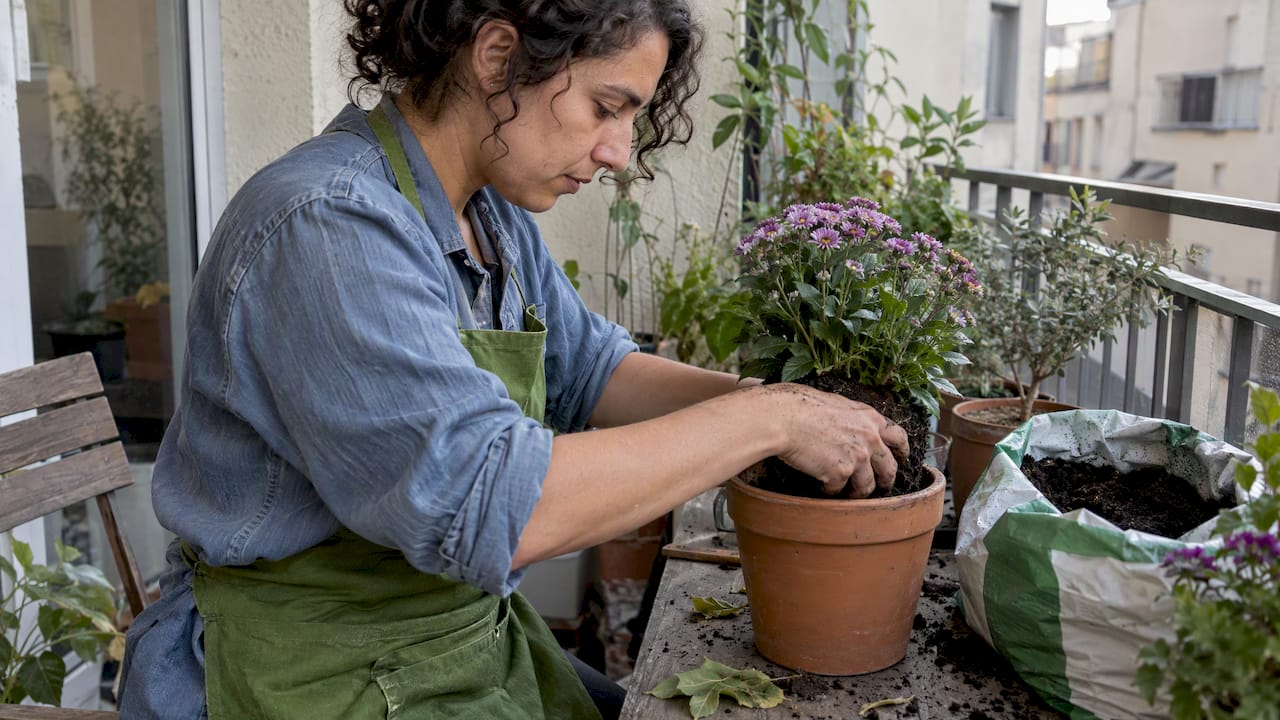
Moderate activities add a physical dimension that some people find more absorbing: light digging, pruning, and planting give you a visible result and a bit of exertion, which can sharpen the sense of accomplishment that follows a session. The same research found farm work, a more physically demanding task than flower viewing, also raised oxytocin, suggesting the physical and social layers of gardening add something beyond the purely sensory version.
A handful of plants show up again and again in calming garden design for good reason:
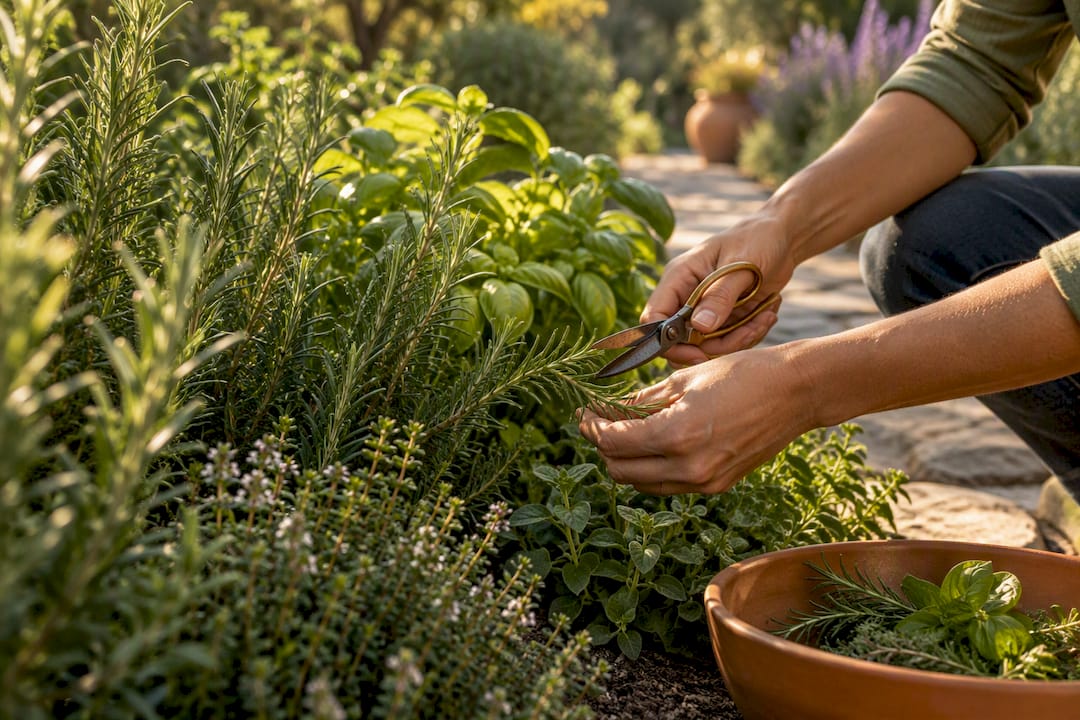
- Lavender releases a strong, consistent scent with light brushing, making it a reliable anchor for scent-focused tasks.
- Lemon balm has a bright, citrusy smell that holds up well in containers and tolerates some neglect.
- Rosemary rewards touch with a sharp, woody scent and survives irregular watering.
- Jasmine offers an evening fragrance that pairs well with a short end-of-day ritual on a balcony or porch.
- Snake plant and pothos ask for almost no care, which makes them forgiving starting points for anyone easing into a daily plant-check habit.
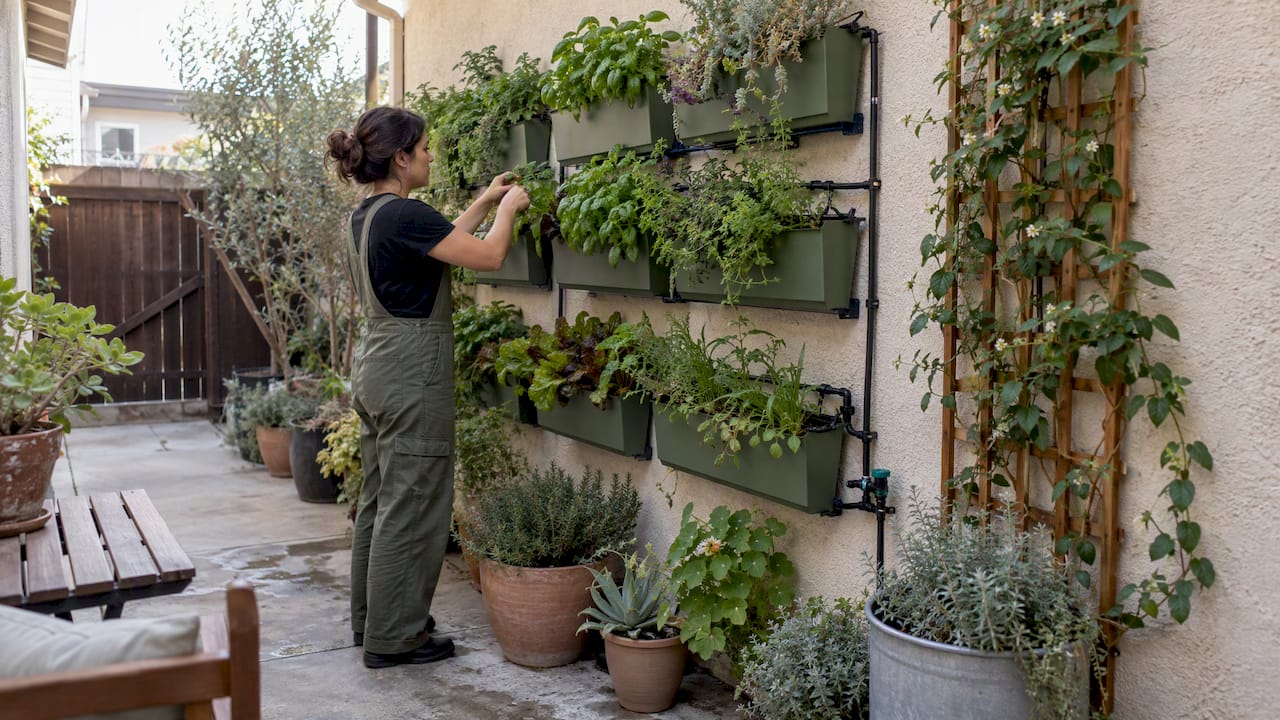
Limited mobility or a tiny footprint does not rule out a practice. Herb pots on a windowsill, a vertical planter mounted on a wall, or a simple plant-sitting routine, checking leaves, rotating pots, misting soil, all deliver the same sensory engagement in a few square feet. Our spring activities guide has seasonal ideas sized for small spaces.
Make gardening restorative: ergonomics and pacing
A garden ritual only helps if it does not hurt. Kneeling on hard ground, hunching over a low bed, or gripping a heavy tool for an hour can turn a stress-relief habit into a source of soreness that discourages the next session.
A few adjustments remove most of the physical friction:
- Raised beds or bench-height planters bring the soil to waist or chest level so you skip the kneeling and bending entirely.
- Long-handled tools reduce the reach and twist needed for weeding or cultivating.
- Cushioned kneelers with side handles make floor-level work easier on knees and help with getting back up.
- Lightweight, ergonomic-grip tools cut the strain on hands and wrists for anyone with arthritis or reduced grip strength.
Splitting one long session into two or three shorter ones across a week protects your joints and still reaches the weekly minute range the research associates with benefit. A short warm-up and cooldown, 10 to 15 minutes total of gentle stretching for the back, shoulders, and wrists before and after a session, cuts next-day soreness and keeps the activity feeling restorative instead of punishing.
Pro Tip: Keep your tools stored within easy reach of your most-used bed or pot cluster. A habit that requires a trip to a cluttered garage loses momentum fast.
Designing for low maintenance, drought-tolerant plant choices, mulch to cut weeding, drip irrigation to cut watering time, protects the habit itself by keeping each session short enough to repeat daily without burnout.
How group programs and therapeutic horticulture increase benefits
Gardening with other people amplifies what solo sessions already deliver. A 2024 meta-analysis of social and therapeutic horticulture programs found large reductions in depression symptoms (SMD = -1.01) and moderate reductions in anxiety symptoms (SMD = -0.62) across the studies reviewed, though the authors noted meaningful variation between programs in structure and intensity.
Community gardens function as a low-pressure social hub, particularly for older adults, where regular contact with other gardeners appears to matter as much as the plant care itself. Entry points for this kind of structured practice include:
- A local community garden plot with a shared bed or communal workdays.
- A volunteer program at a botanical garden, park, or school garden.
- A wellness or mental health group that runs horticulture sessions as part of its programming.
- A municipal parks department horticulture initiative open to residents.
When evaluating a program, look for a regular schedule you can actually keep, a facilitator with some training in group horticulture or wellness work, and goals pitched at a low-pressure level rather than a competitive harvest quota. Programs that emphasize steady participation over output tend to hold people’s interest longer, which matters more than any single session’s intensity.
When gardening isn’t enough: safety and cautions
Gardening works as a complement to mental health care, not a substitute for it. The evidence above describes meaningful reductions in stress, anxiety, and depressive symptoms, but none of the underlying studies treat gardening as a stand-alone treatment for a diagnosed mental health condition.
A few practical safety points matter before you start:
- Allergies and sensitivities: pollen, mold in potting soil, and certain sap or leaf contact can trigger reactions. Gloves and a well-ventilated space reduce the risk.
- Soil and chemical exposure: choose organic soil and skip synthetic pesticides where possible, particularly if you garden with bare hands or grow anything edible.
- Physical injury: stop if you feel sharp or persistent pain rather than ordinary muscle fatigue, and build in the warm-up and cooldown stretches described above.
- When to seek help: persistent fatigue, pain that does not resolve with rest, or any thoughts of self-harm are signs to talk with a clinician rather than relying on a gardening routine alone.
If stress, anxiety, or low mood persists or worsens despite a consistent routine, a licensed mental health professional can assess what else might be going on and what treatment fits.
Why these recommendations hold up
This guide comes from Denise Buchanan, drawing on the physiological and clinical research cited throughout, translated into a routine that fits an ordinary week rather than a lab setting. The practical design and plant-care guidance draws on what we have built over more than 25 years at Sacred Garden Designs, a sustainable landscaping firm recognized with eight HOUZZ Awards and featured on HGTV’s “Ground Rules.”
A few ways our work connects to what you have just read:
- We design low-maintenance, drought-tolerant gardens meant to be used daily, not just looked at.
- We teach hands-on plant care skills, including the kind of short, focused tasks described in this guide, in classes and workshops.
- Our design projects cover a range of projects, so the ergonomic and layout principles above apply whether you have a balcony or a quarter acre.
Seasonal gardening adaptations for continuous year-round stress relief
A ritual that only works in June will not build the consistency the research points to. Each season calls for a different task, not a pause.
In spring, focus on planting and dividing perennials, tasks with an obvious, fast-growing payoff that reward attention within days. Summer favors early morning or evening sessions, watering, deadheading, and harvesting, timed to avoid peak heat so the practice stays pleasant rather than draining. Fall is suited to cleanup, mulching, and planting bulbs for the following spring, work that has a naturally slower, reflective pace. Winter, especially in colder climates, shifts the ritual indoors: houseplant care, seed planning, and tending a small indoor herb pot keep the daily check-in habit alive until outdoor beds wake up again.
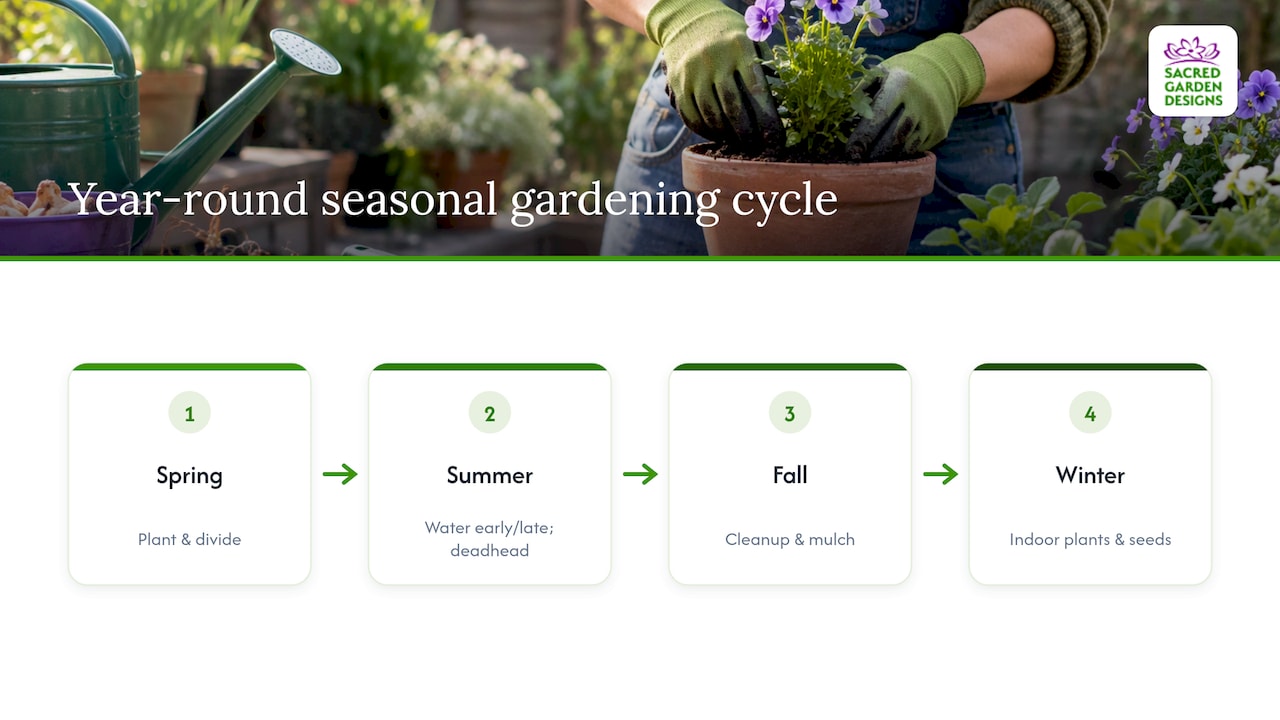
Treat the seasonal shift as a chance to vary the sensory anchor rather than a reason to skip the week. A gardener who adapts the task to the season, rather than forcing the same outdoor routine year-round, is the one who actually hits that weekly minute range over twelve months instead of three.
A short reflection and a one-week challenge
The clearest pattern across years of garden design work is how often people underestimate a ten-minute check-in with a single pot. It rarely feels like enough in the moment, yet it is usually the session people keep.
Try this for one week: spend 10 minutes a day with one plant or one small bed, same time each day if you can manage it. Jot one line afterward, what you did and how your body felt, in a notes app or a small notebook. At the end of the week, read the notes back before deciding whether to extend the habit.
— Denise Buchanan
Classes and low-effort garden design that make this easier
Reading about cortisol and HRV is one thing. Having a garden actually set up so a daily 10-minute ritual is easy to keep is another, and that is where a bit of professional design help can save months of trial and error.
A few ways we can help if you want to build a space suited to this kind of practice, including advice on companion planting for creating low-effort, therapeutic garden layouts:
- Our Sacred Garden Classes and Workshops teach hands-on techniques for low-maintenance, therapeutic gardening in a guided, low-pressure setting.
- Our landscape design services for yards under 5,000 square feet start at $1,500 for a design plan, with full landscape design available from $2,500, so a small balcony or yard can be laid out specifically for short daily sessions rather than big weekend projects.
- Our full range of design-build services, including sustainable installation, irrigation design, and ongoing garden maintenance, covers what comes after the plan if you want the whole project handled.
A class typically runs a single focused session covering real technique you can apply the same week, while a consultation walks your specific space and talks through what a low-maintenance, sensory-friendly layout would look like for you. If you want a garden built around the kind of ritual this guide describes, our classes and workshops page is the most direct next step.
FAQ
Is gardening a stress reliever?
Yes. A field experiment found that 30 minutes of gardening after a stressful task lowered salivary cortisol more than 30 minutes of indoor reading and fully restored positive mood. Shorter daily sessions build on that same effect over time.
Which plant is best for stress relief?
There is no single best plant, but lavender, lemon balm, and rosemary are common choices because their scent releases easily with light touch, giving you an instant sensory anchor. A 2021 study also found that flower appreciation alone lowered cortisol, so even looking at and smelling blooms counts.
Does growing plants help mental health?
Yes. A 2025 systematic review and meta-analysis found horticultural interventions produced large improvements in depression symptoms and moderate improvements in anxiety symptoms across the studies it reviewed. Gardening works as a complement to care, not a replacement, for anyone managing a diagnosed condition.
Does gardening reduce cortisol?
Yes, in controlled studies it does. Both the 30-minute outdoor gardening experiment and the 2021 biomarker study found measurable drops in salivary cortisol after gardening or flower-related tasks compared with control activities.
Sources
- Affective restoration from stress: 30-minute gardening vs. reading (van den Berg & Custers, 2011, PubMed entry)
- Interaction with indoor plants may reduce psychological and physiological stress (PMC)
- Neuroendocrinological effects of horticultural activity (Watanabe et al., 2021)
- Effectiveness of social and therapeutic horticulture for reducing symptoms of depression and anxiety (Frontiers, 2024)
- Human health & plants research: systematic review and meta-analysis (Wilmot Gardens, 2025)