Use your last spring frost and first fall freeze as anchors, then follow a month-by-month checklist to keep planting, pruning, watering, and weeding on schedule. This frost-based approach adapts to your climate instead of forcing fixed calendar dates, and it is the method we recommend to homeowners and the one we build into our own maintenance plans.
TL;DR:
- Start tomatoes 6 to 8 weeks and brassicas 4 to 6 weeks before your local last frost, then wait for warm soil before transplanting.
- Water deeply and infrequently, reduce watering as fall cools, and have buried irrigation systems professionally cleared before the first hard freeze.
- Prune fruit trees, roses, and summer blooming shrubs while dormant, but trim spring bloomers immediately after flowering to preserve next year’s buds.
- Inspect the garden every week or two for aphids beneath leaves and check soil moisture; scorched edges can signal heat or water stress.
- Leave some leaf litter and plant stems through winter to shelter pollinators and beneficial insects, rather than clearing every bed in fall.
Table of Contents
- How the garden year breaks into four seasons
- Your month-by-month garden checklist
- Using frost dates to time your planting
- Watering rules that save plants and water
- When to prune and how to keep tools sharp
- Scouting for pests and problems before they spread
- Why a steady routine beats constant catch-up
- Let us handle the schedule for you
- FAQ
- Sources
- Where to find localized planting details
How the garden year breaks into four seasons
Before tackling individual months, it helps to see the year in quarters. Each stretch has a dominant job, and knowing it keeps you from wasting effort on tasks that are out of sync with the season.
- January through March: plan beds, start seeds indoors, do dormant pruning, test soil, and sharpen tools.
- April through June: transplant seedlings, mulch once soil has warmed, watch for early pests, and fine-tune irrigation.
- July through September: water deeply during peak heat, manage heat stress, harvest, and plant succession crops.
- October through December: plant for fall, renew soil, winterize irrigation, and do selective, not total, cleanup.
A published landscape-care calendar from the Smithsonian Gardens follows this same rhythm: winter planning, spring planting and fertilizing, summer irrigation checks, and fall soil renewal before the rainy season arrives. Treat these quarters as checkpoints rather than rigid rules. Your actual dates shift depending on where you garden, but the sequence of priorities stays consistent.
Your month-by-month garden checklist
This calendar gives you the top tasks for each month. Treat the timing language (weeks before or after frost) as more reliable than the month name itself, since your local frost dates will shift the exact weeks.
January: Review last year’s notes, order seeds, and start onions and leeks indoors. Early ordering avoids sold-out varieties later.
February: Start tomatoes and peppers indoors, test soil pH, and sharpen pruning tools. Starting early gives transplants time to size up before your last frost.
March: Begin dormant pruning on fruit trees and roses before buds swell, and direct-sow cold-hardy greens outdoors. Pruning before new growth avoids cutting into this year’s flowers.
April: Harden off seedlings, direct-sow carrots and beets, and apply pre-emergent weed control on lawns. Hardening off prevents transplant shock from sudden sun and wind exposure.
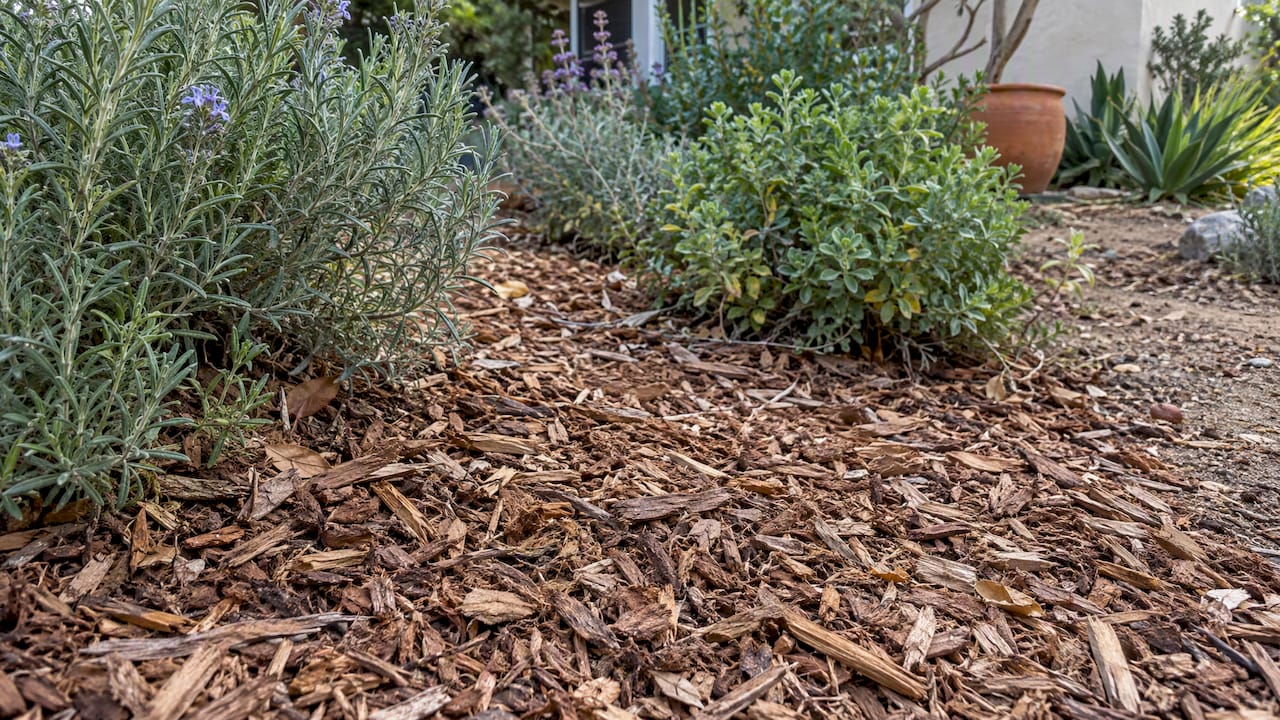
May: Transplant tomatoes and peppers once soil has warmed, mulch beds, and set irrigation timers for spring growth. Mulching now locks in spring moisture before summer heat arrives.
June: Monitor for early pest activity, deadhead spring bloomers, and check irrigation coverage before peak demand hits. Catching pests early keeps infestations from spreading through July.
July: Water deeply in early morning, watch for heat stress on new plantings, and harvest regularly to keep vegetables producing. Morning watering reduces evaporation loss during the hottest stretch of the year.
August: Start a second round of seeds for fall crops, prune spent perennials, and check mulch depth. Succession planting now fills gaps before summer crops fade.
September: Plant cool-season vegetables, divide overcrowded perennials, and reduce irrigation frequency as temperatures drop. This is also the window for a succession planting plan for fall crops.
October: Plant spring-flowering bulbs several weeks before the ground freezes, rake and compost excess leaves, and schedule irrigation winterization. Planting bulbs early lets roots establish before hard freezes set in.
November: Finish irrigation shutdown, apply a final mulch layer around perennials, and clean and store tools. A proper tool cleaning now prevents rust over winter storage.
December: Review the year’s notes, inspect structures like fences or trellises, and plan next year’s bed rotations. A quiet month is the easiest time to plan improvements before spring demands return.
Using frost dates to time your planting
Your last spring frost date is an estimate, not a guarantee, so leave a buffer before transplanting tender crops to protect against a late cold snap. Count backward from that date to time your seed starts, following guidance from a seasonal garden-care framework built around frost anchors instead of fixed months.
- Tomatoes: start seeds 6 to 8 weeks before your last frost.
- Peppers: start seeds ahead of your last frost, using local guidance to choose the timing.
- Brassicas like broccoli and cabbage: start seeds 4 to 6 weeks before your last frost.
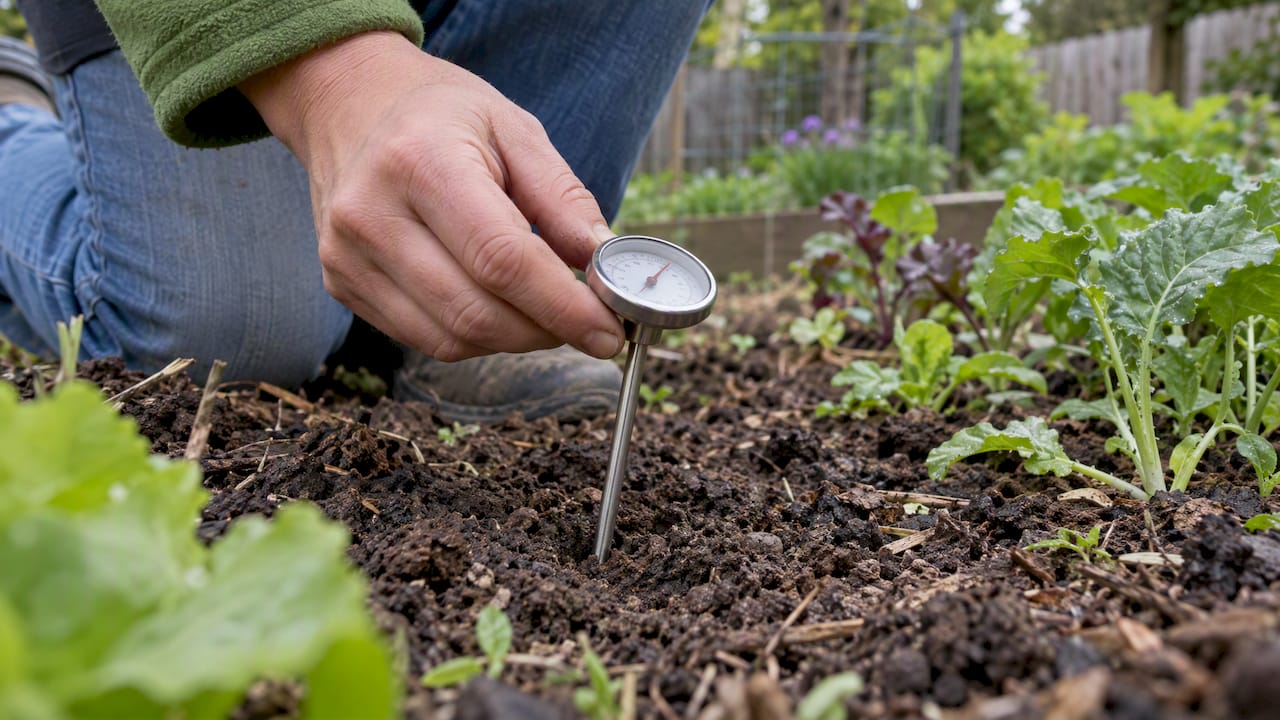
Warm-season crops also need warm soil, not just warm air, before transplanting peppers or tomatoes.
Pro Tip: Check soil temperature with an inexpensive meat thermometer pushed 2 inches deep rather than guessing from air temperature alone.
Watering rules that save plants and water
Irrigation needs swing hard between seasons: winter demand drops to a fraction of peak summer use, while midsummer often requires the most frequent run times of the year, a pattern reflected in the Smithsonian’s seasonal irrigation checks. Deep, infrequent watering trains roots to grow downward, which makes plants more drought resilient than frequent shallow watering.
- Set a tuna can or rain gauge under sprinklers to measure actual output in inches per week.
- Water early morning to cut evaporation loss during hot months.
- Reduce watering frequency as fall temperatures drop, then shut off entirely before hard freezes.
Freezing conditions call for a different tactic altogether: continuous water application can protect tender plants by releasing latent heat, but it only works if the water keeps running until temperatures climb back above freezing, according to smallfruits.org. For in-ground systems, a professional blowout before the first freeze prevents cracked pipes and valves, a job worth hiring out rather than risking on your own.
When to prune and how to keep tools sharp
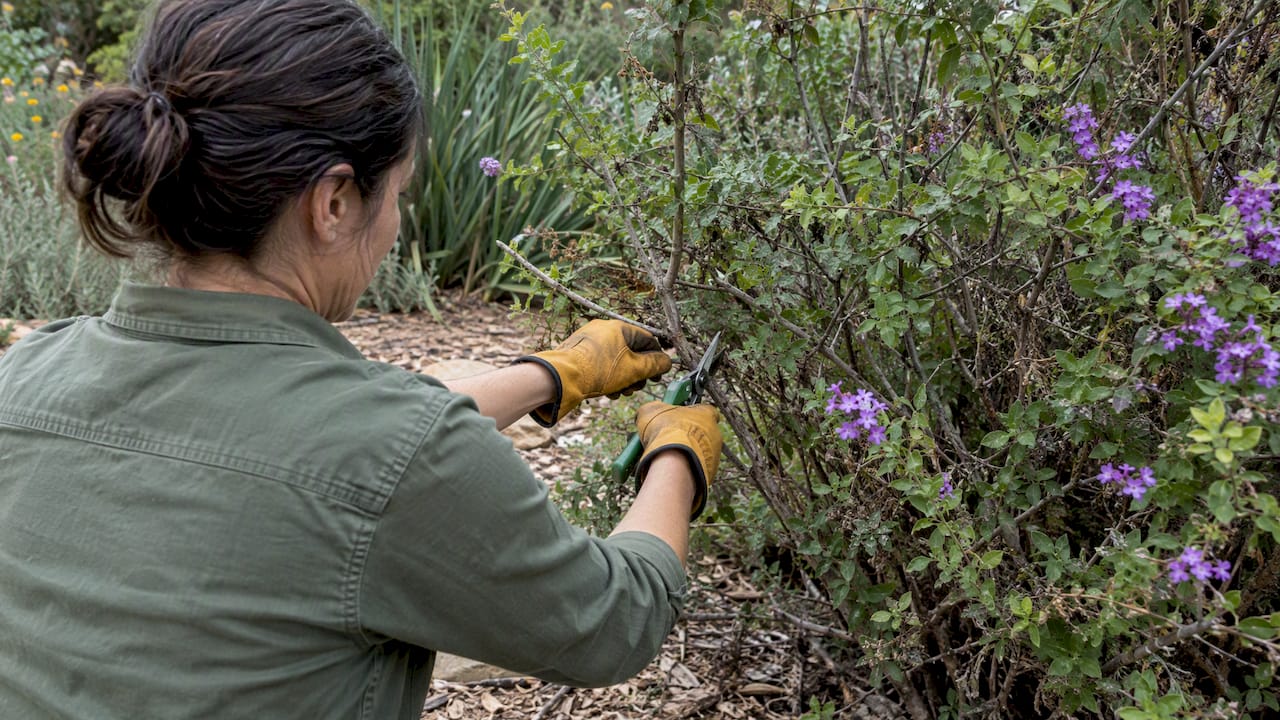
Pruning timing depends on how a plant blooms. Dormant pruning in late winter suits fruit trees, roses, and summer-blooming shrubs, while spring bloomers like lilac and forsythia should be pruned right after flowering so you don’t cut off next year’s buds. Our guide on pruning water-wise gardens without losing spring blooms walks through specific timing by plant type.
- Clean blades with rubbing alcohol between cuts to avoid spreading disease.
- Sharpen pruners and loppers at least once a season for cleaner cuts.
- Oil moving parts and store tools dry to prevent rust.
Pro Tip: Large tree limbs near power lines or structures are a job for a licensed arborist, not a weekend project.
Scouting for pests and problems before they spread
A quick walk through your garden every week or two catches problems while they’re still small. Flip leaves to check undersides for aphids or eggs, press a finger into soil to gauge moisture, and inspect trunks and crowns for soft spots or borer holes.
- Aphids tend to show up on new spring growth.
- Fungal issues spike during wet, humid stretches.
- Wilting or scorched leaf edges in midsummer usually signal heat or water stress.
Keeping a simple log or a few photos each month builds a record that makes next year’s calendar far more accurate for your specific yard, echoing the low-effort tracking habits described in a short daily gardening routine for busy schedules.
Why a steady routine beats constant catch-up
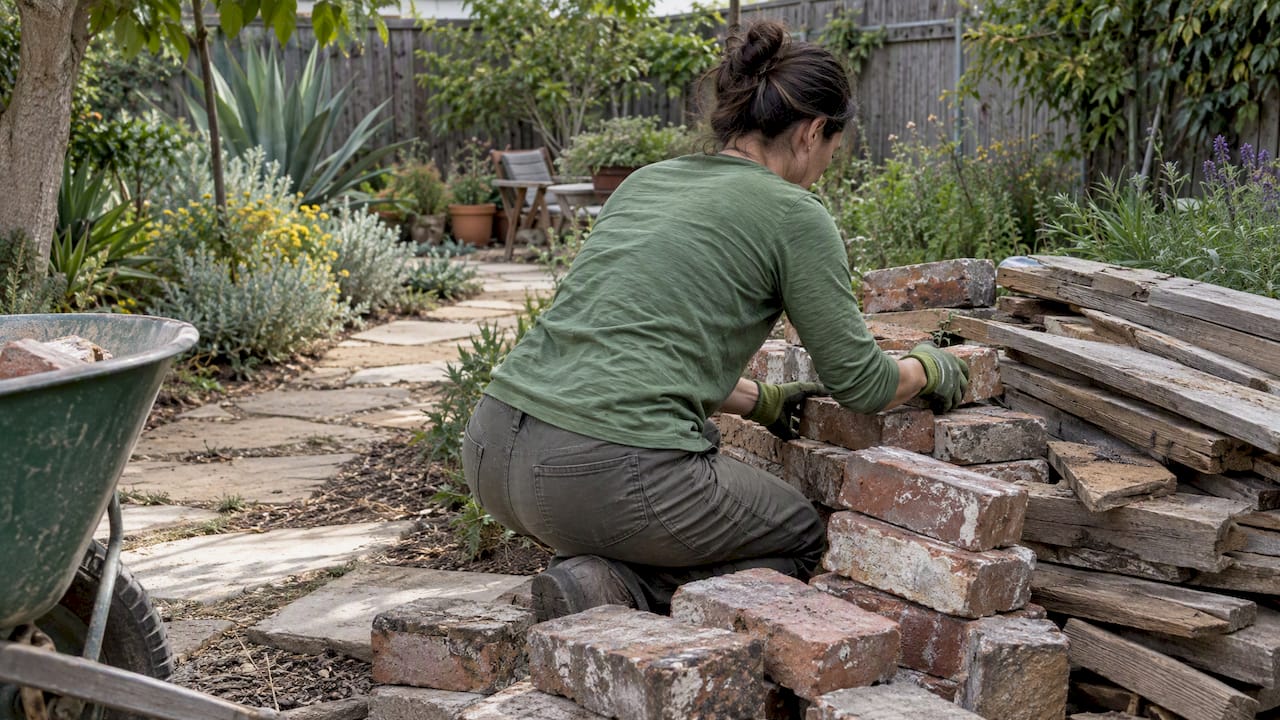
I’ve come to see “strategic tidiness” as the real goal: leaving some seed heads and leaf litter through winter protects overwintering pollinators and beneficial insects, a practice Extension recommends over a full fall clean-sweep. A modest, repeated routine beats the scramble of reactive fixes every time.
— Denise Buchanan
Let us handle the schedule for you
Following this calendar closely takes real time, and that’s exactly where we come in. Our Garden Maintenance service helps keep planting, pruning, and irrigation on schedule, while our Irrigation Design and Installation team can help with seasonal irrigation needs.

- Garden Maintenance for ongoing upkeep.
- Expert Tree Trimming for pruning jobs too large or risky for a home ladder.
- Sacred Garden Classes and Sacred Garden Workshops for homeowners who want to run their own calendar with guidance.
If your yard includes a pond or water feature, a pond and lakefront management partner can fold seasonal basin and shoreline checks into the same calendar. Ready for a hand with your own schedule? Book an initial landscape consultation and we’ll build a plan around your yard’s actual conditions.
FAQ
How often does a garden need maintenance?
Most home gardens need attention weekly during the growing season for watering, weeding, and pest checks, tapering to biweekly or monthly in the dormant months. A garden maintenance timeline organizes these recurring tasks across the year so nothing gets skipped.
What do most gardeners charge per hour?
Published hourly rates for garden maintenance vary widely by region and scope of work, and no single national rate applies everywhere. For an accurate figure in your area, request a quote directly, since pricing depends on yard size, task mix, and local labor costs.
What is the gardening 3 year rule?
There’s no single, universally recognized rule in gardening; terminology is used loosely and definitions vary by source. If you’ve seen it tied to a specific practice like soil rotation or perennial establishment, check the original source, since no standard definition applies across the board.
When should I start seeds relative to my last frost date?
Seed-start timing depends on the crop. Use a seasonal garden-care framework built around frost anchors and check local guidance for each crop. Counting backward from your local last frost date is more reliable than using a fixed calendar month.
Should I clean up all garden debris in the fall?
No, leaving some leaf litter and plant stems through winter protects overwintering pollinators and beneficial insects, according to extension.illinois.edu. Waiting until mid to late spring to clear this debris reduces spring pest and disease remediation compared to a full fall clean-sweep.
Sources
- Extension
- Sample Calendar of Garden Building & Maintenance
- Seasonal Garden Care: Month by Month Maintenance
Where to find localized planting details
Frost dates and planting windows shift by region, so pair this calendar with a source specific to your area.
- Check your local cooperative extension office, such as Ohio State’s home yard and garden resources, for region-specific planting dates.
- Review botanical garden calendars like the Smithsonian’s sample landscape calendar for seasonal task sequencing you can adapt.
- Consult extension fact sheets, such as those from Clemson’s lasagna gardening guide, for practical how-to steps on mulching and bed prep.