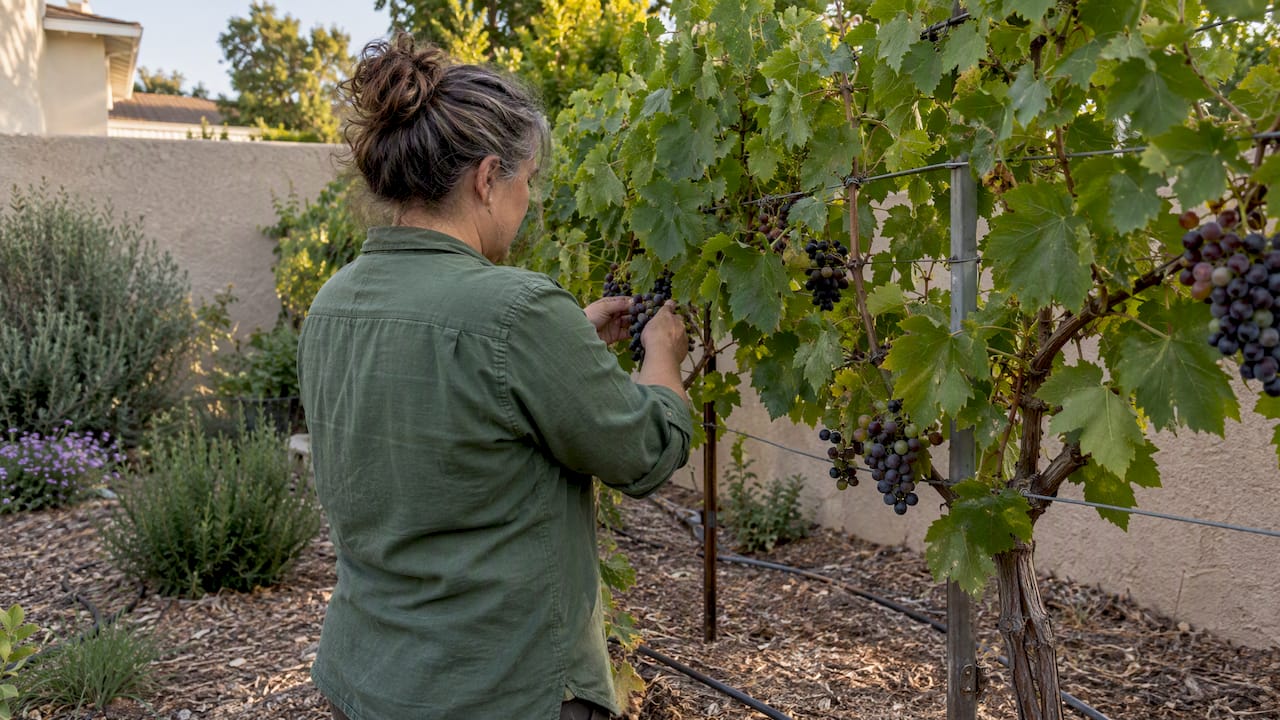
Most pruning belongs in the late dormant season, from late winter to early spring, before new growth starts. Prune spring-blooming shrubs right after their flowers fade, and save summer and fall bloomers for late winter. Remove dead, broken, or diseased wood any time of year, make thinning cuts rather than topping, and sanitize your tools between plants.
TL;DR:
- Prune shrubs that flower before June 1 within about two weeks after flowering; later bloomers can wait until late winter or early spring.
- Remove no more than one third of a plant’s living growth in one season; spread severe hedge renewal over two to three years.
- Use thinning cuts to open the canopy, cut just outside the branch collar, and never top trees or leave stubs that invite decay.
- Where oak wilt occurs, avoid pruning oaks from April through October; beetles attracted to fresh cuts can spread the disease.
Table of Contents
- What to prune first: priorities and a quick checklist
- When to prune: timing rules, dormant-season benefits, and key exceptions
- A pruning calendar by plant group
- How to prune: thinning, heading, and the three-cut method
- Tools, sanitation, and knowing when to call a pro
- Our take: pruning for drought-tolerant, resilient landscapes
- What gardeners get wrong about pruning
- Get hands-on help with pruning, training, or a full redesign
- FAQ
- Sources
What to prune first: priorities and a quick checklist
Before picking up a saw, decide what the plant actually needs. Dead, diseased, or broken branches come off first, regardless of season, because they invite pests and decay. Crossing limbs that rub against each other, along with suckers at the base and watersprouts shooting straight up from branches, usually follow next.
Once the cleanup cuts are done, think about the bigger goal. A young tree needs training cuts to build a strong scaffold of branches. An established shrub might just need light maintenance thinning to keep air moving through the canopy. An overgrown, neglected shrub may call for rejuvenation pruning, a harder reset that brings it back to a manageable size.
A few rules keep any of these jobs from doing more harm than good:
- Cut back to the branch collar, the slightly swollen area where a branch meets the trunk, rather than flush against the trunk itself.
- Never leave a stub; it cannot heal properly and becomes an entry point for decay.
- Avoid removing more than one-third of a plant’s living tissue in a single season, even when a shrub looks like it needs a drastic haircut.
Working through priorities in this order, health first, then structure, then shaping, keeps you from making an aesthetic cut that accidentally removes a damaged limb that needed closer attention.
When to prune: timing rules, dormant-season benefits, and key exceptions
Late dormant season, generally late winter into early spring, is the default window for most trees and shrubs. With leaves gone, you can see the full branch structure and make smarter decisions about what to remove. Cold weather also means fewer active insects and fungal spores looking for fresh wounds, and cuts made just before spring growth resumes seal over faster than cuts made in fall or mid-summer, according to Penn State Extension.
That said, timing depends heavily on what the plant does and when:
- Spring-blooming shrubs set their flower buds on old wood the previous year, so dormant-season pruning removes the very buds you want to see; prune these right after they finish flowering instead.
- A few trees, including maples and birches, “bleed” sap heavily if cut while dormant; many gardeners wait until leaves have expanded to reduce the sap flow, even though it does not harm the tree.
- Oaks need a special window of caution: avoid pruning them from April through October in regions where oak wilt is present, because beetles drawn to fresh cuts can spread the disease, according to University of Minnesota Extension.
Two heuristics make scheduling easier. The first is a bloom-date rule: shrubs that flower before June 1 are pruned right after blooming, while shrubs that flower after June 1 can wait until late winter or early spring, per guidance from Clemson’s Home & Garden Information Center. The second is the one-third rule mentioned above: whatever the season, pruning more than a third of live growth at once stresses the plant and slows recovery.
One detail worth remembering: dormant pruning timing runs from late winter through early spring, right before buds break, according to Iowa State University Extension. That window gives wounds the shortest possible exposure before the plant’s own growth response kicks in.
A pruning calendar by plant group
Different plant groups follow different clocks, and matching the cut to the calendar protects next year’s flowers and fruit.
- Spring-flowering shrubs and trees: Lilac, forsythia, and early spirea bloom on old wood, so prune within about two weeks after flowering ends to avoid cutting off next year’s buds, as Iowa State University Extension notes.
- Summer- and fall-flowering shrubs: Panicle hydrangea, butterfly bush, and repeat-blooming roses flower on new wood, so late winter or very early spring pruning encourages strong new growth and more blooms.
- Evergreens and conifers: Pines are best pruned before new needles (called candles) fully mature, usually by pinching them back in late spring. Arborvitae and yew are more forgiving and tolerate light shaping through summer.
- Hedges: Light shaping can happen several times during the growing season, but heavier structural thinning belongs in the dormant season. A severely overgrown hedge often recovers better from staged rejuvenation spread over two to three years than from one aggressive cut.
- Fruit trees: Stone fruits like peach and cherry are typically pruned in late winter but can tolerate pruning slightly later to reduce disease pressure, while pome fruits like apple and pear are pruned while fully dormant. Watch for fireblight risk on apples and pears, and avoid pruning during warm, wet stretches when the bacteria spreads easily.
If you grow citrus, timing shifts again: our guide to pruning citrus walks through why late winter cuts can expose new growth to frost damage in some climates.
How to prune: thinning, heading, and the three-cut method
Two basic cuts cover almost everything you will do with a pair of pruners. A thinning cut removes an entire branch back to its point of origin, whether that is the trunk, a larger limb, or ground level. This opens up the plant without stimulating a burst of dense new growth. A heading cut shortens a branch partway, which triggers vigorous new shoots just below the cut. Heading works well for formal hedges and some fruit tree training, but overused on an otherwise natural shrub, it creates a thicket of weak growth.
- For small stems, cut about one-quarter inch above an outward-facing bud, angled slightly away from the bud so water runs off rather than pooling on it.
- For branches too large for hand pruners, use the three-cut method: start with an undercut 12 to 18 inches from the trunk, follow with a top cut farther out until the branch drops away, then finish with a clean cut just outside the branch collar, according to UF/IFAS Gardening Solutions.
- Never top a tree by cutting main limbs down to stubs; instead, perform crown reduction by cutting back to a lateral branch large enough to take over growth, which keeps the tree’s natural shape and reduces decay risk.
Pro Tip: Before making a major cut, step back and look at the plant from two or three angles. A branch that looks wrong from one side often makes perfect sense from another.
Tools, sanitation, and knowing when to call a pro
The right tool matters as much as the right cut. Bypass pruners handle stems up to about three-quarters of an inch, loppers take on branches up to around two inches, and anything larger calls for a pruning saw or pole pruner. Keep blades sharp; a clean cut heals faster than one made with a dull, crushing blade.
- Sanitize tools with 70% isopropyl alcohol or a diluted bleach solution when cutting diseased wood, and wipe down between plants to avoid spreading pathogens like fireblight, as UF/IFAS recommends.
- Skip pruning in wet or humid conditions when possible, since damp weather helps bacteria and fungal spores travel between cuts.
- Leave large limbs, anything near power lines, or jobs requiring a ladder and a chainsaw to a professional arborist.
Sanitizing between cuts on diseased material is a simple habit that meaningfully lowers the odds of spreading infection from one plant to the next, per UF/IFAS sanitation guidance. If you are coordinating seasonal yard work, pairing a pruning pass with other maintenance, like a seasonal gutter check, keeps the whole property on one calendar.
Our take: pruning for drought-tolerant, resilient landscapes
We treat pruning timing as a water-conservation decision, not just a tidiness one. Conservative, well-timed cuts reduce the stress that pushes a plant to replace lost tissue with thirsty new growth right when it can least afford the water demand. A shrub pruned at the correct point in its cycle recovers with less transplant shock and holds onto vigor through a dry season.
We also see the long game in young trees. Training a sapling toward a strong scaffold structure in its first few years means fewer corrective cuts later, which means less wasted material, less labor, and a tree that holds up better in wind and drought stress alike. That approach lines up with how we think about trees for climate modification across a whole property, not just one specimen.
For established trees that need structural correction, slope-adjacent pruning, or integration with an irrigation redesign, our expert tree trimming service and site consultations cover exactly that kind of work. Bringing water-wise thinking to a single overgrown hedge or a full yard redesign is an important aspect of sustainable landscape design.
What gardeners get wrong about pruning
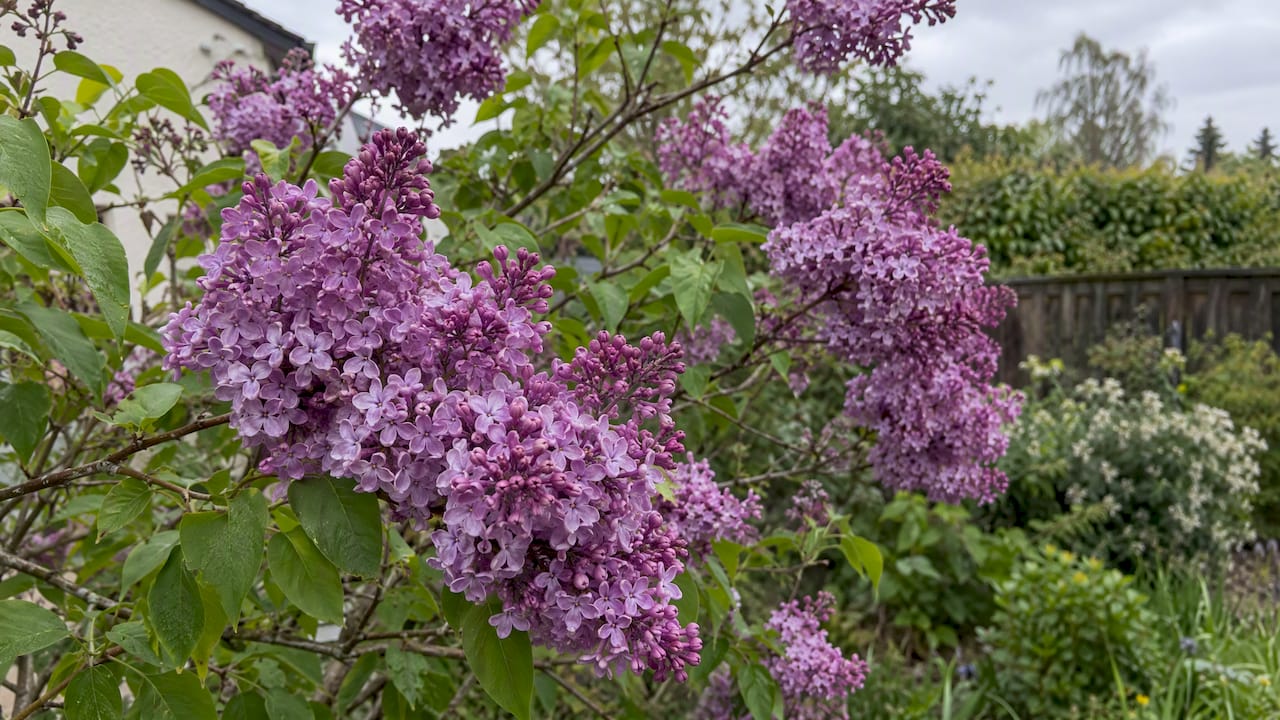
The biggest misconception we see is that pruning is primarily cosmetic, something you do to make a plant look neat. In practice, timing matters more than the cut itself. A gardener who prunes a lilac in late winter out of habit, rather than after it blooms, loses an entire season of flowers for no real gain.
The second issue is overcorrection. Homeowners often try to fix years of neglect in one afternoon, removing far more than the one-third threshold a plant can safely lose. That single aggressive session usually does more damage than three seasons of modest, well-timed cuts would have.
If you take one thing from this guide, let it be sequencing: figure out what blooms on old wood versus new wood, mark your calendar accordingly, and treat the one-third rule as a hard limit rather than a suggestion. Everything else, sharp tools, clean cuts, good sanitation, matters, but timing is the decision that determines whether a plant thrives or just survives.
— Denise Buchanan
Get hands-on help with pruning, training, or a full redesign
If the thought of three-cut removals on a mature oak makes you want backup, that is exactly what our team handles. We offer expert tree trimming and ongoing garden maintenance, along with full landscape design for yards that need more than a pruning pass.

A few ways to get started:
- Book a water-wise site analysis and we will walk your property with you, flagging pruning priorities alongside broader design opportunities.
- Join a Sacred Garden Class or Workshop to practice thinning cuts and the three-cut method with guidance.
- Ask about combining pruning with drought-tolerant landscaping changes during the same visit.
A typical consultation starts with a walk of the property, notes on which plants need timing-specific attention, and a plan you can act on right away or hand off to our crew.
FAQ
What is the 1-2-3 rule for pruning trees?
The rule most gardeners mean here is the three-cut method for removing large branches: an undercut, a second cut farther out to drop the branch, then a final cut just outside the branch collar, as described by UF/IFAS Gardening Solutions. This sequence prevents bark from tearing down the trunk as the branch falls.
Is October too late to prune?
October generally falls outside the ideal dormant-season window, which runs from late winter to early spring, so it is not the best time for heavy structural pruning. Light removal of dead or damaged wood is fine any time, but save major cuts for when the plant is fully dormant.
What are the common mistakes when pruning?
The most frequent mistakes are topping a tree instead of using crown reduction, leaving stubs rather than cutting to the branch collar, and removing more than one-third of a plant’s live growth in one session. Pruning spring-blooming shrubs during dormant season, which removes the buds set the year before, is another common timing error.
What are the five rules of pruning?
Most versions of this guidance cover: remove dead, diseased, or damaged wood first; cut to the branch collar rather than flush or leaving a stub; avoid removing more than about one-third of live growth per season; choose thinning cuts over heading cuts to preserve natural form; and time the work around the plant’s bloom habit. Exact wording varies by source, but these principles appear consistently across extension guidance.
Sources
- How and when to prune flowering shrubs | Penn State Extension
- Proper time to prune trees and shrubs | Iowa State University Extension
- Pruning in three steps | UF/IFAS Gardening Solutions
- Clean your pruning tools | UF/IFAS blog
- Pruning trees and shrubs | University of Minnesota Extension