For a productive fall garden, prioritize cool-season leafy greens, brassicas, root crops, garlic and other alliums, and frost-hardy bedding flowers. The single rule that matters most: find your local average first-frost date, subtract the days-to-maturity listed on your seed packet, then add a buffer for slower growth as daylight shortens. Row covers, mulch, and succession sowing stretch the harvest window well past that date.
TL;DR:
- Use your local average first frost date, subtract packet days to maturity, then plant 10 to 14 days earlier because shorter daylight slows growth.
- Hardy kale, spinach, and brassicas withstand hard frost, while beets, carrots, chard, radishes, and cauliflower tolerate only light frost; cover those crops as temperatures fall.
- Resow lettuce and arugula every 10 to 14 days, mizuna and tatsoi every 2 to 3 weeks, and radishes weekly for staggered harvests.
- Plant garlic from mid September through November, 1 to 3 inches deep and about 6 inches apart, for a harvest the following summer.
Table of Contents
- 1. Vegetables, herbs, and flowers worth planting now
- 2. How to calculate your fall sow and transplant dates
- 3. Succession planting for a continuous fall harvest
- 4. Getting your beds ready for fall planting
- 5. Planting garlic, shallots, and spring bulbs now
- 6. Adjusting the plan for your own climate
- 7. Sample planting windows by season length
- 8. What sustainable fall planting looks like in practice
- What actually matters when you plant fall crops
- FAQ
- Sources
1. Vegetables, herbs, and flowers worth planting now
Fall crops fall into a few practical groups, and knowing which one a plant belongs to tells you how much frost risk you can take.
Hardy crops shrug off a hard frost and even improve in flavor afterward. Half-hardy crops tolerate a light frost but need protection once temperatures drop harder. According to University of Maryland Extension, hardy fall vegetables include broccoli, cabbage, lettuce, peas, turnips, kale, spinach, arugula, endive, escarole, radicchio, mizuna, tatsoi, bok choy, and turnip greens, while beets, carrots, Swiss chard, mustard greens, radishes, and cauliflower hold up against only light frost.
- Kale and spinach: direct-sow or transplant; both tolerate hard frost and taste sweeter after cold exposure.
- Broccoli and cabbage: start as transplants for a head start; give cabbage 18 to 24 inches of spacing.
- Lettuce and arugula: direct-sow in shallow rows; both mature fast and handle light shade as days shorten.
- Radishes and turnips: direct-sow; roots size up quickly and tolerate light frost well.
- Garlic and shallots: planted now for a summer harvest next year, not for fall eating.
- Cilantro and parsley: reliable fall herbs that bolt less in cool weather than in summer heat.
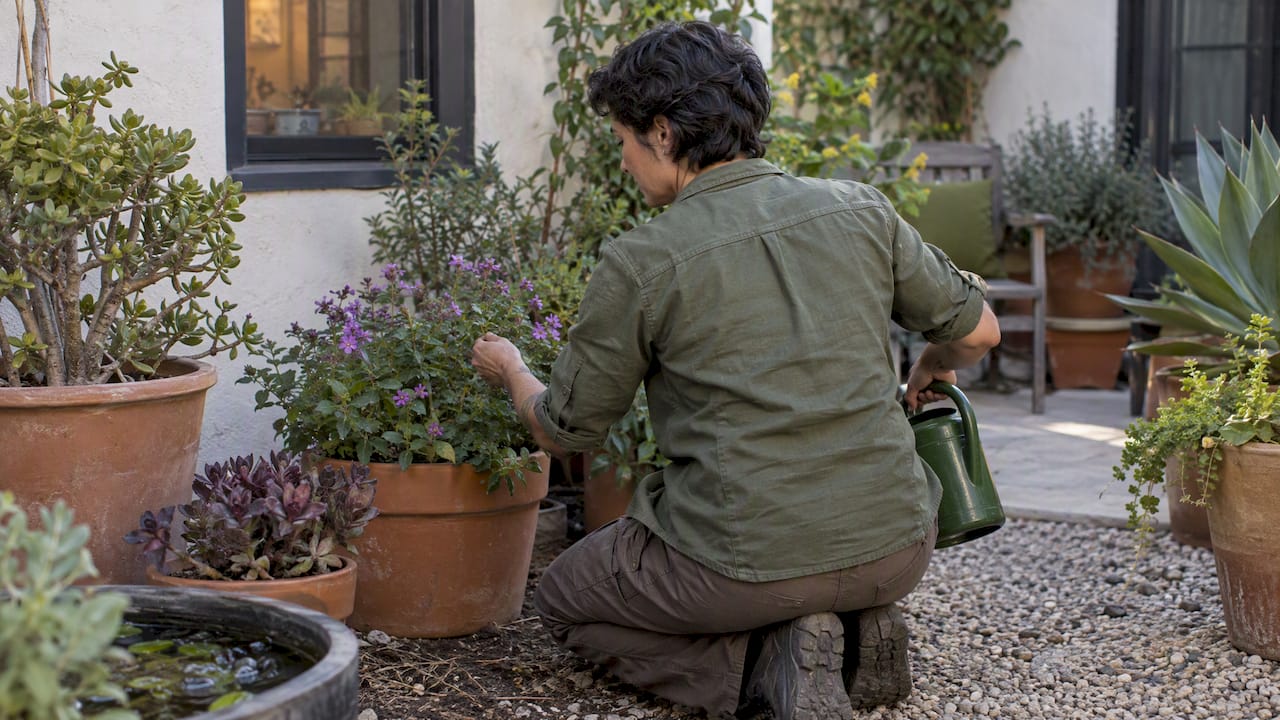
- Pansies, violas, and ornamental kale: quick color for beds and containers that holds through several freezes.
Edible landscaping fans can tuck chard or curly kale into ornamental beds for texture alongside violas, since both groups share similar cold tolerance and watering needs.
2. How to calculate your fall sow and transplant dates
The math is simple once you have two numbers: your average first-frost date and the days-to-maturity printed on the seed packet.
- Find your local average first-frost date through your state Extension office or a regional frost calendar.
- Check the seed packet or plant tag for days-to-maturity.
- Subtract the days-to-maturity from the frost date to get your latest planting date.
- Add 10 to 14 days to that number, since University of Maryland Extension notes that shortening daylight slows growth compared to summer conditions.
Say your first frost falls around October 15 and you’re planting lettuce that takes about a month and a half to mature. Count backward accordingly to find your sowing date, then add a buffer to allow for slower growth in shorter days. For a 60-day broccoli transplant, count back to August 16, then push it earlier, to around early August.
The USDA Plant Hardiness Zone Map is built for winter cold tolerance, not planting timing. It tells you which perennials survive your winters, but your frost date, not your zone number, drives fall sowing decisions, according to the 2023 USDA Plant Hardiness Zone Map.
3. Succession planting for a continuous fall harvest
Quick crops reward repeat sowing instead of one big planting. University of Missouri Extension recommends sowing fast growers several times from late August through late September to keep harvests coming, and notes that frost often raises sugar content, improving flavor in many cool-season crops.
- Loose-leaf lettuce and arugula: resow every 10 to 14 days for overlapping harvests.
- Mizuna and tatsoi: resow every 2 to 3 weeks; both regrow after cutting.
- Radishes: resow weekly for a rolling supply of quick roots.
A simple 10-week plan: sow a lettuce and radish mix in week one, transplant broccoli or cabbage starts in week two, then resow lettuce and arugula every 10 to 14 days through week eight, letting the brassicas finish on their own timeline.
Pro Tip: Pair fast direct-sown greens with slower transplanted brassicas so you’re never doing all the work, or all the harvesting, at once.
4. Getting your beds ready for fall planting
Healthy fall soil needs less drama than summer beds, but a few steps make a real difference.
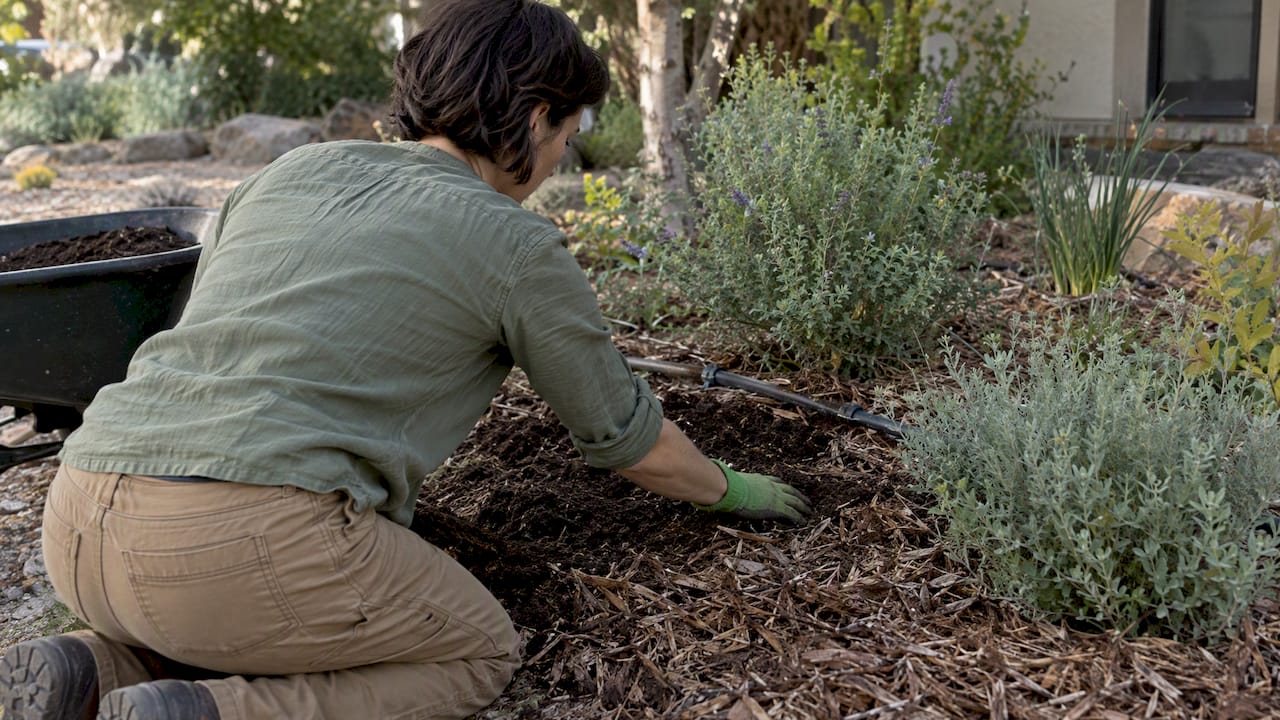
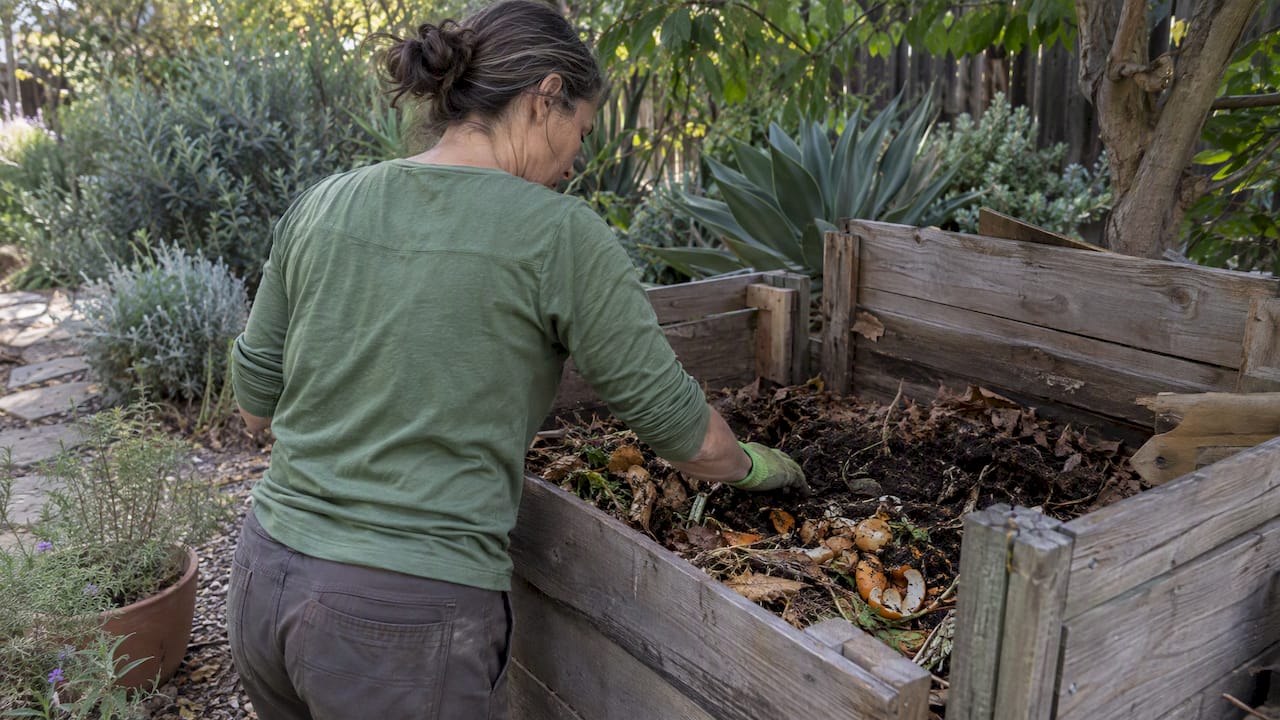
- Work finished compost into the top several inches of soil before planting.
- Check drainage; soggy spots slow root growth in cooler weather.
- Water consistently while seedlings establish, then taper off as roots deepen.
- Apply mulch once plants are established to insulate roots against early cold snaps.
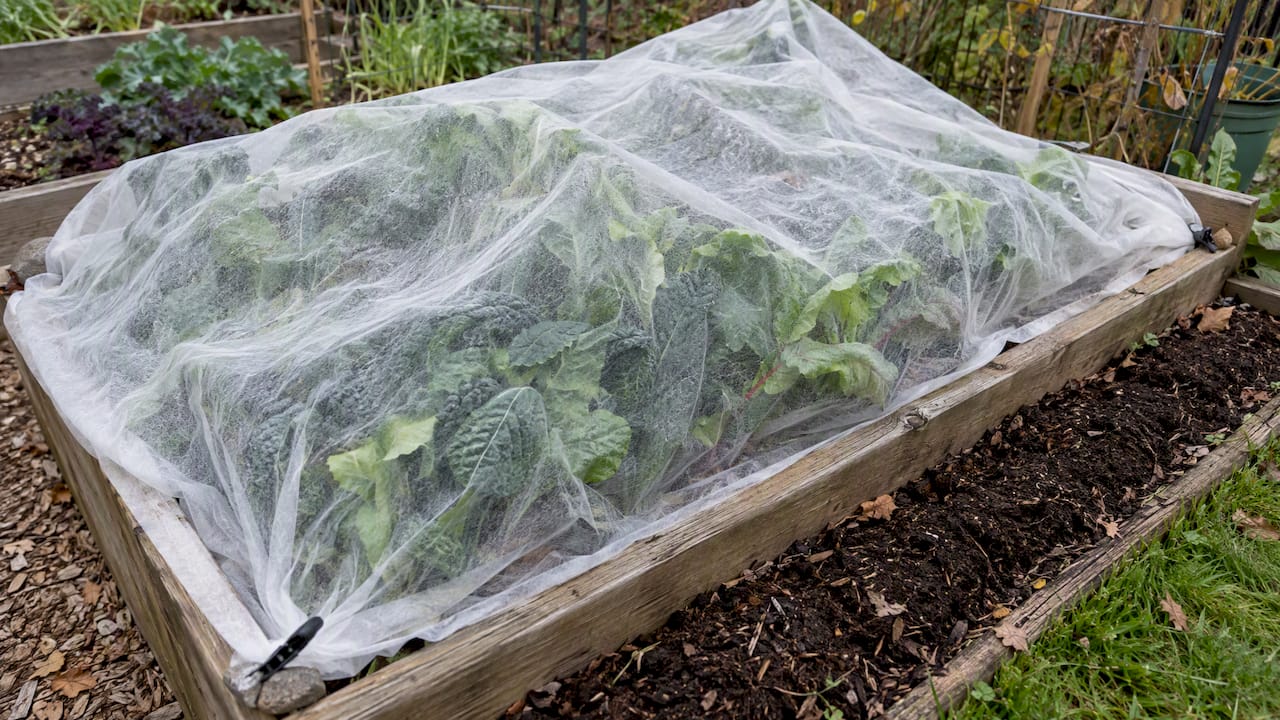
- Keep lightweight floating row cover or a low tunnel on hand for sudden freezes.
Raised beds and containers warm and drain faster than ground-level plots, which helps frost-sensitive crops get through chilly nights, according to University of Illinois Extension.
5. Planting garlic, shallots, and spring bulbs now
Garlic goes in the ground in fall for a harvest the following summer, not this season. University of Arizona Cooperative Extension recommends planting from mid-September through November, setting cloves 1 to 3 inches deep and about 6 inches apart.
- Choose hardneck garlic for colder climates and better scapes; choose softneck for longer storage and milder flavor.
- Plant shallots and multiplier onions the same way as garlic, slightly shallower, about 1 inch deep.
- Mulch alliums after planting to protect against winter heaving.
- Plant spring-flowering bulbs and perennial trees or shrubs now, since cooler air reduces transplant stress while soil stays warm enough for root growth, per Forsyth County Extension.
6. Adjusting the plan for your own climate
Your USDA zone tells you which plants survive winter where you live. Your local first-frost date tells you when to plant this fall, and the two numbers answer different questions.
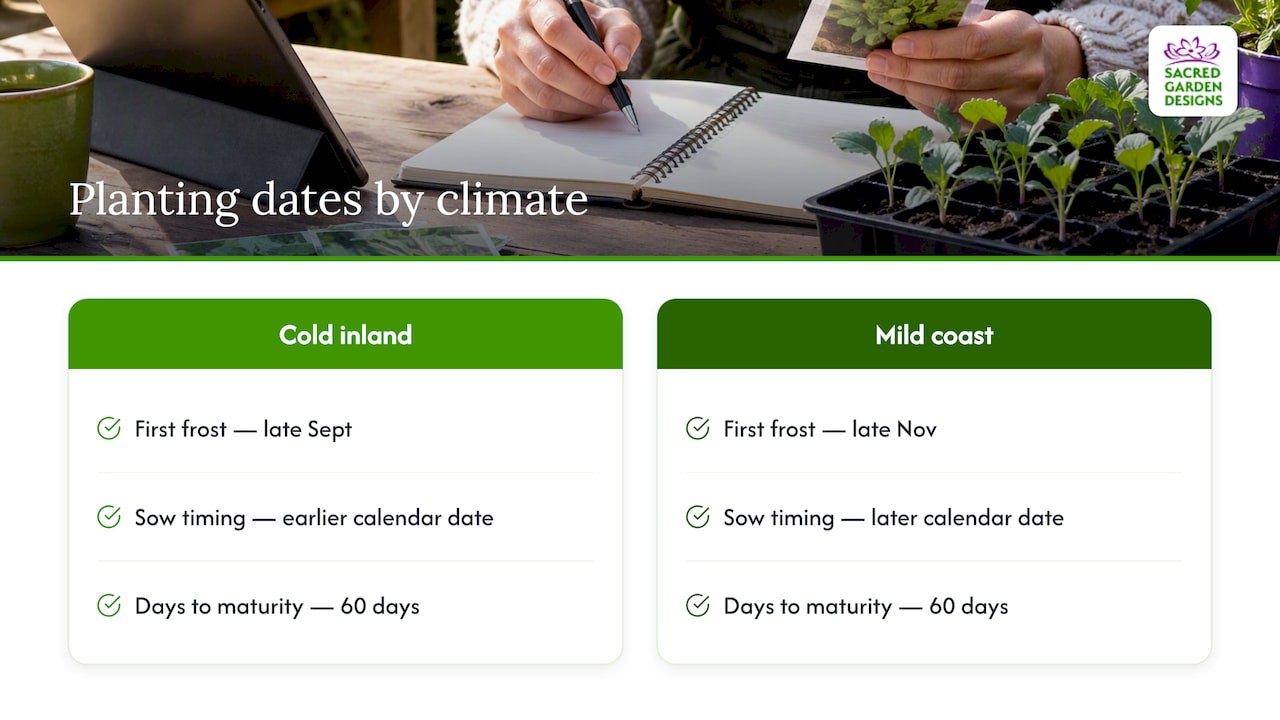
A gardener in a cold inland region with a first frost in late September has to start that same 60-day broccoli far earlier than a gardener on a mild coast with a first frost in late November. The seed packet’s days-to-maturity never changes, but the calendar date it points to shifts by weeks depending on where you garden. State Extension offices publish regional planting calendars built around local frost averages, and those calendars are more useful than a generic chart pulled from another climate.
7. Sample planting windows by season length
These windows assume you already know your own first-frost date and adjust from there.
- Short-season gardens: sow hardy greens, brassicas, and root crops 8 to 10 weeks before first frost to finish before hard freezes.
- Temperate gardens: sow the same crops 6 to 8 weeks out, with room for one succession round of quick greens.
- Mild, long-season gardens: sow 4 to 8 weeks out, and lean on row cover or low tunnels to push plantings even later into the season.
8. What sustainable fall planting looks like in practice
Water-wise fall gardening starts with the root zone, not the surface. Focusing irrigation directly at root level, rather than overhead, cuts waste and encourages deeper rooting before cold weather sets in. Choosing drought-tolerant cultivars within each crop group and mulching with locally available organic material both reduce how often you need to water as temperatures cool.
Denise Buchanan writes on practical, sustainable gardening topics for home growers. In one fall garden, a layer of finished compost paired with lightweight row cover added roughly an extra month of harvest before the first hard freeze shut things down, a small adjustment that paid off across the whole season.
What actually matters when you plant fall crops
The conventional advice on fall gardening leans too hard on generic calendars and not hard enough on your own soil and microclimate. A planting date pulled from a seed packet or a national chart is a starting point, never a guarantee, because the same crop behaves differently in a shaded backyard than in an open, south-facing bed.
What gets underestimated is how much a buffer for slowing daylight changes outcomes. Gardeners who sow right at the calculated date, without adding those extra 10 to 14 days, often watch crops stall just short of maturity when the real frost arrives. What gets overrated is chasing an exotic planting list before nailing the basics: a working frost date, decent soil, and a willingness to resow fast crops more than once.
If you take one thing from this, prioritize the timing math over the plant list. The right crops planted on the wrong date still fail, but the right date paired with ordinary kale, lettuce, and garlic produces a reliable harvest almost every time.
— Denise Buchanan
FAQ
What month to start a fall garden?
Most gardeners start fall planting in late summer, typically August, counting backward from their local first-frost date using the crop’s days-to-maturity. Warmer climates can extend sowing into September or later, according to University of Arizona Cooperative Extension.
What flowers can I plant right now in the fall?
Pansies, violas, mums, asters, and ornamental kale or cabbage establish well in fall and tolerate cold better than summer annuals, per University of Illinois Extension. Mums need well-drained soil and often behave as annuals unless they establish strong roots before winter.
Are there any plants you can plant in October?
Garlic, shallots, and multiplier onions are commonly planted into October and even November in many regions, along with spring-flowering bulbs and perennial shrubs. Hardy greens can still go in during October in milder climates, though timing depends on your local first-frost date.
What fall plants can I start in July?
July works for starting broccoli, cabbage, and other slower brassicas as transplants, since they need more time to mature before frost. In warm climates, July is also early enough to direct-sow a first round of fast greens for later succession plantings.
If you want hands-on help translating any of this into a water-wise landscape plan, our landscape design services start fall projects with an initial consultation that factors in your soil, sun exposure, and irrigation setup. For gardeners who want to learn the techniques directly, our Sacred Garden Classes and Workshops cover sustainable planting methods season by season. If your fall project also touches your business presence, such as a landscaping company website built to convert visitors into booked estimates, our partners at Macrolight Builder specialize in that kind of site design.
Sources
- Fall Vegetable Gardening | University of Maryland Extension
- Fall Vegetable Gardening | University of Arizona Cooperative Extension
- Fall gardening feeds body and spirit | University of Missouri Extension
- 2023 USDA Plant Hardiness Zone Map