Yes, a dry shade garden can look lush. Build it from heuchera, epimedium, ferns, pachysandra, cyclamen and hummingbird sage, then plant in fall and spread a few inches of mulch right away. Fall planting gives roots a head start, and mulch holds the moisture they need before summer dries things out.
TL;DR:
- Test the soil a day after watering; bone dry soil below the surface signals dry shade, while tree roots create stronger competition than fence lines.
- Use about 2 inches of mulch in perennial beds and 3 to 4 inches under trees and shrubs, keeping it away from stems and trunks.
- Water deeply after planting and regularly while plants establish, then switch to infrequent deep soaks; avoid heavy compost under trees because it retains excess moisture.
- Choose hostas with thick leaves and leathery ferns for drier spots, while heuchera, brunnera, and hummingbird sage suit brighter filtered light or morning sun.
Table of Contents
- 1. Which drought-tolerant plants work in dry shade?
- 2. How do you match plants to your exact spot?
- 3. How do you plant and care for drought-tolerant shade plants?
- 4. How does your climate change the plan?
- 5. Why should you trust these recommendations?
- 6. What would I do first?
- 7. How can we help you build a low-water shade garden?
- FAQ
- Sources
1. Which drought-tolerant plants work in dry shade?
These are the plants we reach for first. They are grouped by the job they do in the bed, with light and water notes for each. “Established” means the plant has had time to settle into the ground.
Groundcovers
- Pachysandra: An evergreen carpet that fills dry shade fast, listed among the dry shade plants at Missouri Botanical Garden. It handles part to deep shade and needs little water once settled.
- Cyclamen: Small, marbled leaves and fall or winter flowers, happiest under deciduous trees. It likes part shade and stays dry during its summer rest.
- Epimedium (barrenwort, bishop’s hat): Tough, wiry roots let it compete with tree roots. It tolerates part to deep shade and is a reliable low-water choice once established.
- Liriope and lamium: Both also appear on the botanic garden’s dry shade list. Liriope gives you grassy, evergreen texture, while lamium brightens corners with silver foliage.
Perennials and flowering plants
- Heuchera (coral bells): Ruffled foliage in burgundy, amber and lime. Extension plant databases document its adaptation to shade and its drought-tolerant performance compared with many perennials. Part shade gives the richest leaf color.
- Hosta: Bold leaves that anchor a shady bed. The University of Minnesota Extension lists it among reliable shade plants. Thicker-leaved types handle dryness better than thin-leaved ones, and part shade suits it best.
- Brunnera: Heart-shaped leaves and sprays of blue flowers in spring. It does best in part shade and tolerates dry spells after its first year.
- Aruncus dioicus (goat’s beard): A tall, feathery plume plant that gives dry shade some height. It works in part shade and is a good back-of-bed anchor.
- Salvia spathacea (hummingbird sage): A rare native that tolerates dry shade under oaks. It prefers part to full shade, needs low water once established, and draws hummingbirds and other pollinators.
Ferns and foliage
- Polystichum acrostichoides (Christmas fern): An evergreen fern with glossy fronds that stay green through winter. It takes part to deep shade and dry to medium soil.
- Other tough ferns: Choose sturdy, leathery types over delicate lacy ones. They hold up better when the soil dries out.
Shrubs
- Shade-tolerant native shrubs: If you want structure, add a small native shrub at the back of the bed. Pick one rated for dry shade in your region and ask your local native plant nursery which ones perform well for you.
2. How do you match plants to your exact spot?
Two shady spots can behave nothing alike. Take a little time to read yours before you buy anything.
- Check the light. Deep shade gets no direct sun at all. Bright, filtered light or a few hours of morning sun is a different spot and opens up heuchera, brunnera and hummingbird sage.
- Check the soil and roots. Under a tree, roots take most of the water. A shady fence line usually has softer soil and less competition.
- Match the plant’s habit. Rhizomatous spreaders such as epimedium and pachysandra fill gaps and suppress weeds. Clumpers such as heuchera and hosta stay put and make better accents.
- Decide what you want to see. Foliage carries a shady bed all year. Flowers are a bonus, and pollinator-friendly bloomers like hummingbird sage add movement.
Pro Tip: Water a test spot, then check it the next day. If the soil is bone dry below the surface, treat the site as dry shade and shop from the list above.
3. How do you plant and care for drought-tolerant shade plants?
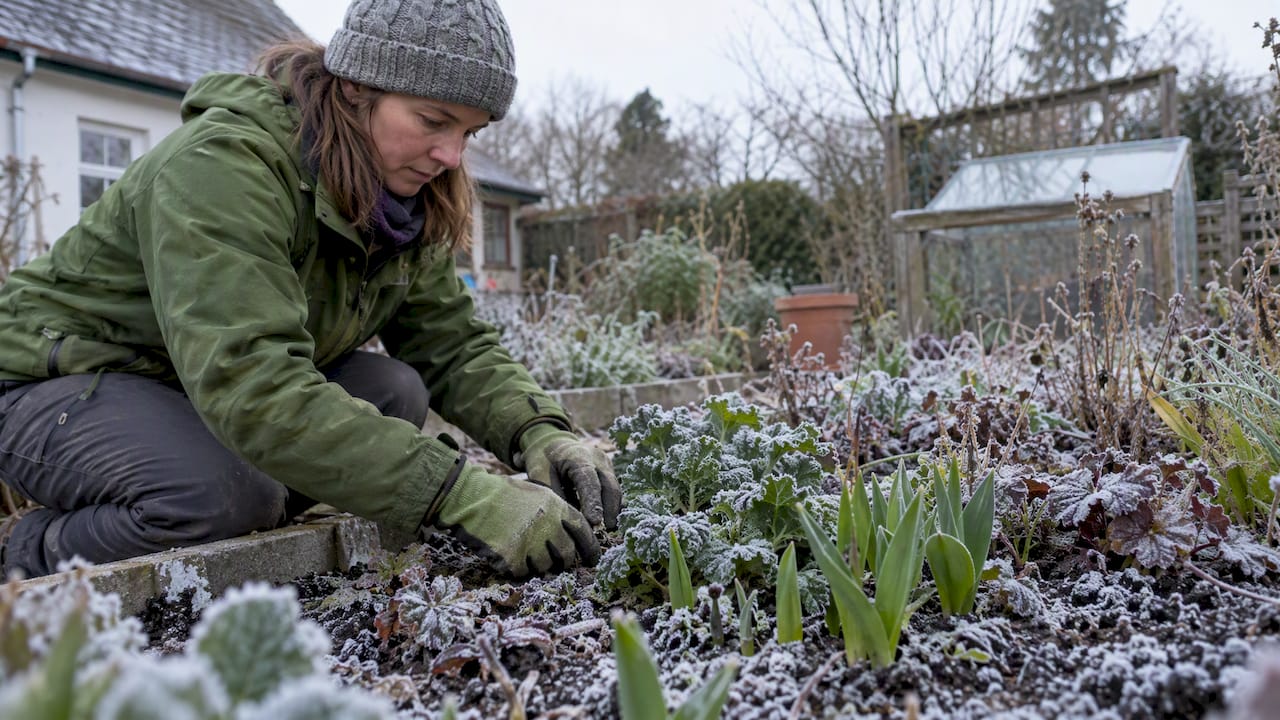
Timing and mulch do most of the work. Washington State University Extension notes that fall planting often works better in drought-prone shade, because cooler air reduces transplant stress while roots keep expanding through winter.
- Plant in fall. Give roots time to settle before the next summer’s heat.
- Loosen the soil and add a modest amount of compost. Skip heavy amendments, especially under trees, since they can hold too much moisture around roots.
- Water deeply right after planting. Then soak deeply on a regular schedule while the plants establish.
- Switch to infrequent deep soaks. Light, frequent sprinkling keeps roots shallow and weak.
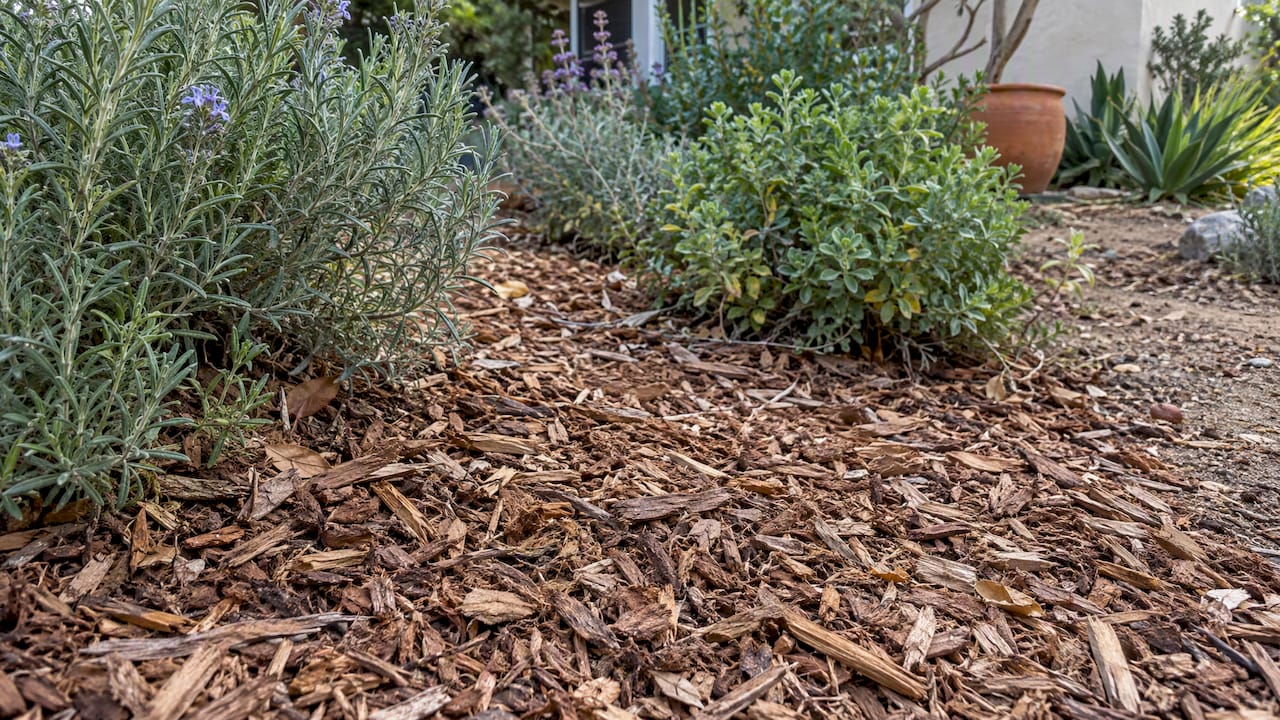
- Mulch. Spread 2 to 4 inches around perennials and keep it back from stems and trunks. In spring, wait until the soil has warmed before adding a fresh layer.
- Maintain lightly. Divide crowded clumps, trim tattered foliage, and watch new transplants during heat spells.
Mulch matters: The Morton Arboretum advises 3 to 4 inches of mulch under trees and shrubs, and about 2 inches in perennial beds, to conserve soil moisture and moderate soil temperature.
For a deeper look at materials, see our guide to mulch types for drought.
4. How does your climate change the plan?
The plant list holds up across regions, but a few details shift.
- Cooler coastal summers: Many plants bloom better with slightly more light, so favor part shade and bright filtered spots.
- Hot inland summers: Lean on foliage plants and low-water natives that tolerate heat beneath shade, and mulch generously.
- Under trees: Expect heavy root competition. Keep irrigation light near trunks to protect the tree, especially oaks, and widen the mulch ring rather than piling it against the bark.
5. Why should you trust these recommendations?
Our plant picks and care steps follow extension guidance from Washington State University and the University of Minnesota, plus mulch advice from The Morton Arboretum. We bring water-wise landscaping experience to every project, from design to irrigation to drought-tolerant plantings.
6. What would I do first?
Plant in fall and mulch generously. That one pairing does more for a dry shade bed than any plant swap. In deep shade, design for texture and resilience, with layered leaf shapes and evergreen ground, rather than chasing summer color that the light cannot support.
— Denise Buchanan
7. How can we help you build a low-water shade garden?
If you would rather have a professional plan the whole bed, we can help with:
- Sustainable landscape design and installation
- Irrigation design and installation
- Drought-tolerant groundcover and shade plantings
- Initial landscape consultations

Book a landscape design consultation, or learn hands-on skills first in our classes and workshops.
FAQ
What are the best drought-tolerant plants for shade?
Heuchera, epimedium, Christmas fern, pachysandra, cyclamen and hummingbird sage all handle dry shade well once established. Hosta and brunnera work too, especially in part shade with some soil moisture.
When should you plant a shade garden in a dry climate?
Fall is usually best. Washington State University Extension notes that cooler air reduces transplant stress while roots keep growing through winter.
How deep should mulch be in a shade garden?
Use about 2 inches in perennial beds and 3 to 4 inches under trees and shrubs, per The Morton Arboretum. Keep it back from stems and trunks.
Can shade plants attract pollinators?
Yes. Hummingbird sage is a native that draws hummingbirds and other pollinators, and flowering perennials like brunnera and epimedium add early-season blooms.
Sources
- Drought Tolerant Landscaping for Washington State (Home Garden Series) | WSU Extension Publications | Washington State University
- How to Mulch Trees and Shrubs | The Morton Arboretum
- Drought Tolerant Plants for Shade
- Gardening in the shade | UMN Extension