Urban farming means growing food in a city or suburb, on a balcony, a rooftop, a driveway, a small yard or a shared lot. To begin, you need four things: a spot with six to eight hours of direct sun, safe soil, a few easy crops in containers or raised beds, and a reliable way to water. Everything else can be learned in your first season.
This guide walks through those four basics in order, then covers the local rules and soil questions that trip up first-timers. We design water-wise gardens for a living, so we pay special attention to getting water right.
TL;DR
- Urban farming covers anything from a few pots on a balcony to a rooftop farm or community garden. You do not need land to start.
- Vegetables and fruits need at least six to eight hours of direct sun. Measure your light before you buy a single plant.
- Test the soil of any new site. If you are unsure of its history, use raised beds or containers with imported soil.
- Start with salad greens, radishes, herbs, bush beans and peppers, and plan on about 1 gallon of water per square foot per week in summer heat.
- Check zoning and any lease or HOA rules first, especially if you want to keep animals or sell what you grow.
Table of Contents
- What counts as urban farming?
- Step 1: Find your light
- Step 2: Check the rules before you build
- Step 3: Test and build your soil
- Step 4: Pick containers or raised beds
- Step 5: Choose easy crops
- Step 6: Water without waste
- Perspective: what 25 years of water-wise gardens taught us
- Step 7: Keep a simple routine
- When to grow beyond the balcony
- Get help if you want it
- FAQ
- Sources
What counts as urban farming?
The National Agricultural Library describes urban agriculture as growing, processing and distributing food or non-food agricultural products in urban and suburban areas. Its examples include community gardens, rooftop farms, hydroponic, aeroponic and aquaponic facilities, and vertical production.
For a beginner, that is a wide umbrella. Most people start in one of three ways:
- Container growing on a balcony, patio, deck or driveway.
- Raised beds in a small yard, or on a lot you have permission to use.
- A plot in a community garden, where the land, water access and neighbors come ready-made.
There is also a legal line worth knowing. The USDA defines a farm as a place that sold, or normally would have sold, at least $1,000 of agricultural products in a year. If you are growing dinner for your own family, you are a gardener in the eyes of the law. If you plan to sell, you are heading toward farm territory, and the paperwork changes.
Step 1: Find your light
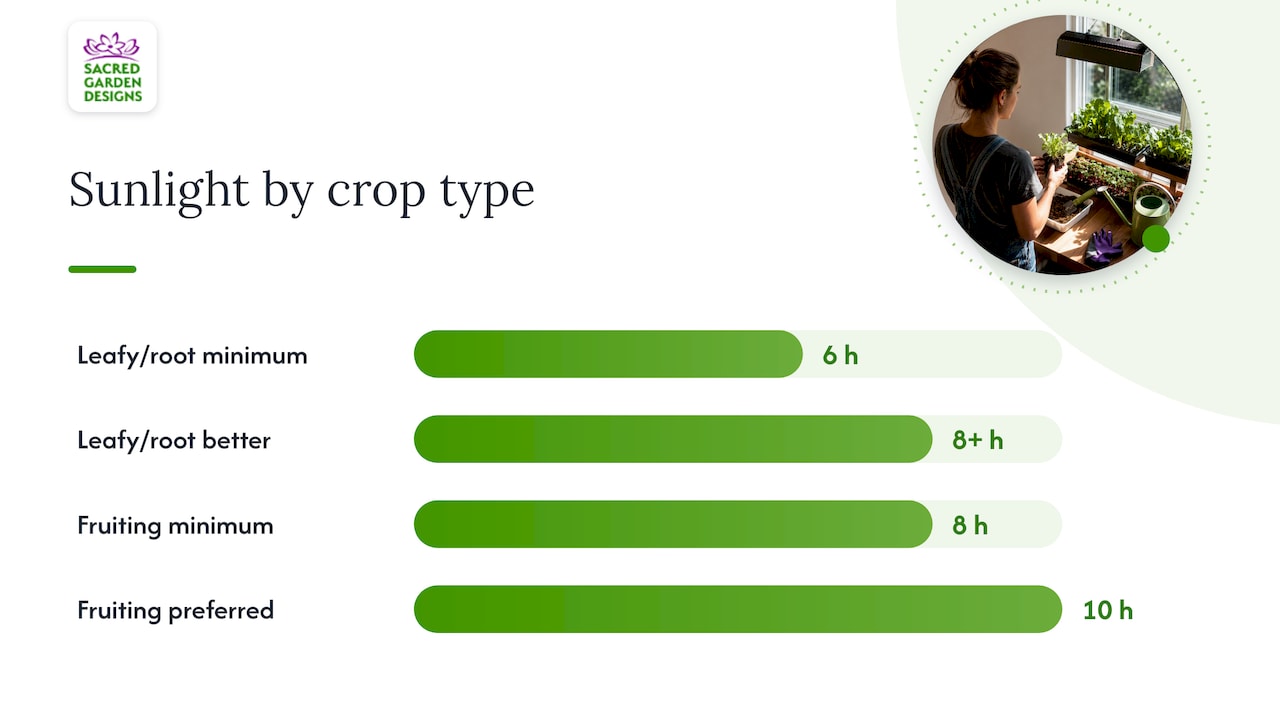
Light decides what you can grow, so measure it before anything else. University of Georgia Extension advises that vegetables and fruits need a minimum of six to eight hours of direct sunlight a day. NC State Extension gives a more detailed picture: leafy vegetables and root crops can manage with six hours but do better with eight or more, while fruiting crops need at least eight hours and prefer 10.
A simple way to check your spot:
- Visit it at 9 a.m., noon and 3 p.m. on a clear day during the growing season.
- Note whether it is in full sun, partial sun or shade each time.
- Add up the hours of direct light. Shade from a neighbor’s building or a tree counts against you.
If your best spot gets six hours, plan on lettuce, chard, beets, radishes and herbs. If it gets eight to ten, tomatoes, peppers and squash become realistic.
For slopes, the Georgia guidance says the best garden site has a height difference of no more than 1 to 2 feet per 100 feet of garden. Most balconies and raised beds will never come close to this limit. If your yard is steeper, terracing or retaining walls are worth considering, and that is where a design professional pays off.
Walls and tight corners
No ground at all? A sunny wall can carry a surprising amount of food. We show how to plan one in our guide on turning 20 to 30 square feet of wall into a water-wise small garden.
Step 2: Check the rules before you build
This is the step most beginner guides skip. The National Agricultural Library advises that you check local zoning to learn what growing is allowed and whether animal farming is permitted. Chickens and bees are the usual surprises.
A short checklist before you spend money:
- Zoning and city code: Look up what your city allows for food growing, structures, composting and animals.
- Lease, HOA or building rules: Rooftops and balconies often have weight, drainage or fire-safety limits.
- Utilities: If you plan to dig or plant trees, locate underground and above-ground utilities first. The US Forest Service tipsheet on urban agroforestry recommends this before establishing a project.
- Selling food: Some states tie right-to-farm nuisance protections to compliance with state and federal laws or good agricultural practices, per the National Agricultural Library. Ask your county extension office what applies to you.
If you want help locally, USDA runs urban service centers. The one in downtown Dallas, for example, offers guidance on farming practices, local regulations and zoning, financing and grants, and marketing. Your county extension office is the best first call in most places.
Step 3: Test and build your soil
City soil is not always garden soil. The National Resource Conservation Service lists compaction, contamination by heavy metals and other compounds, organic matter depletion and unsuitable materials among the common urban soil problems.
The National Agricultural Library recommends a soil test for every new gardening site, and says to look into the land’s history, especially near a former industrial site. It also notes that where soil is a concern, raised beds or imported soil may reduce the chances of contamination.
In practice:
- Know the history. Was the lot a gas station, a rail yard or an old house with peeling paint? Call your county extension office and ask about testing labs.
- Test before you plant. A lab test costs far less than a season of crops you then cannot eat.
- If in doubt, build up, not down. Fill raised beds or containers with clean imported mix, and keep the beds separate from native soil.
Getting the mix right matters for weight too, especially on decks and rooftops. This breakdown of raised bed soil mixes by site and weight limit is a good starting point for choosing between lighter and heavier blends.
If your yard soil is heavy clay and testing comes back clean, you can improve it rather than replace it. Our guide explains how to fix clay soil in two to three seasons with 4 to 6 inches of compost.
Step 4: Pick containers or raised beds
Containers are the lowest-risk way to begin. The University of Maryland Extension notes they can sit on decks, balconies, driveways or sidewalks. Whatever you choose, three rules apply:
- Drainage. Every container needs holes, or roots rot.
- Food-safe materials. USDA’s container gardening advice says to use food-safe containers and to avoid pressure-treated wood and containers that previously held chemicals.
- Moisture checks. Maryland Extension warns that containers dry out more quickly than ground beds, so check them often in warm weather.
| Setup | Best for | Watch out for |
|---|---|---|
| Pots and grow bags | Balconies, patios, renters | Frequent watering, limited root space |
| Raised beds | Small yards, questionable soil | Upfront cost for lumber and soil, weight on decks |
| Community garden plot | No space at home, learning from neighbors | Waiting lists, shared rules |
| Wall or vertical planting | Tiny footprints | Sun exposure, irrigation planning |
On the community option: Alabama Cooperative Extension suggests that about five interested families or a comparable group is a baseline minimum to start and sustain a new community garden. If there is no garden near you, that is how many neighbors you need to begin one.
Step 5: Choose easy crops
University of Maryland Extension lists popular container crops: salad greens, peppers, beans, chard, beets, radishes, squash, cucumbers and herbs. It also advises looking for “bush” or “dwarf” varieties bred for small spaces.
A sensible first-season plan:
- Fast wins: radishes and salad greens, ready in weeks, which keeps you motivated.
- Reliable producers: bush beans, chard and herbs such as basil, parsley and chives.
- One ambitious crop: a pepper or a bush tomato, if you have eight hours of sun.
Resist the urge to fill every pot. Six to eight healthy plants beat thirty struggling ones.
If you have a little more room, a ready-made layout helps. Our 64 sq ft kitchen garden plan for beginners is built around water-wise choices, and our piece on companion planting with a 1:4 trap crop ratio helps with pests without spraying.
Step 6: Water without waste
Water is where beginners lose the most plants, and where city growers can save the most money. Georgia Extension gives a workable rule: in summer heat, about 1 gallon of water per square foot of garden per week, or a 1-inch rainfall, provides enough for plants during the growing season.
Some practical consequences:
- A 4 by 8 foot bed is 32 square feet, so plan on roughly 32 gallons a week in hot weather, less when it rains.
- Choose a site near a water source. Hauling water by bucket gets old by July.
- Rain barrels help, but the same Georgia guide says a 50-gallon barrel can water only about 40 square feet of garden. Treat them as a supplement.
- Water deeply and less often, early in the morning. A gardening guideline sometimes called the 3-hour rule says to avoid working outdoors between 11 a.m. and 2 p.m. in summer, which is good for you and for plants.
Once you have more than a few pots, automate. A timer keeps plants on schedule while you travel, and this overview of a smart sprinkler timer explains how scheduling cuts waste. For beds, drip beats overhead spraying. We cover both in home vegetable garden irrigation that delivers 1 inch a week and in drip irrigation for raised beds. Gardening in Los Angeles? Read the city’s irrigation rules first.
Perspective: what 25 years of water-wise gardens taught us
We have been designing sustainable, water-wise landscapes in Los Angeles for more than 25 years, from private yards to urban parks. Drought and heat have shaped how we think about food growing in the city.
Our view is that most beginners fail on water and planning, not on skill. They buy too many plants, put them in the wrong light, and then rely on a hose and good intentions. A smaller garden with a plan for sun, soil and irrigation will out-produce a large, improvised one, and it will use less water doing it.
We also think a food garden should be a pleasant place to be. Edible plants can sit within a well-designed landscape rather than in a separate, hidden plot. Done well, the space supports your routine, your family and your sense of calm, as well as your grocery list. That is why we pair design with education: you learn to read your site, and the garden keeps working long after we leave.
— Denise Buchanan
Step 7: Keep a simple routine
Beginner gardens usually fail slowly, through neglect rather than a single mistake. A weekly routine of about 30 minutes is enough for a small setup:
- Check soil moisture with a finger two inches down.
- Harvest greens and herbs often; picking encourages new growth.
- Remove diseased leaves and weeds early.
- Top up mulch or compost to protect the soil surface.
The NRCS describes soil health principles that include protecting the soil surface and maximizing biodiversity, which is what mulch and mixed plantings do on a small scale. Time your planting and chores to your local frost dates rather than the calendar. Our garden maintenance schedule shows how.
When to grow beyond the balcony
Once your first season goes well, you may want more. Three directions are common:
- Edible landscaping: replace part of a lawn with food plants. Our guide to edible landscaping at 15, 50 or 90 percent helps you decide how far to go.
- Lawn replacement: lawn alternatives matched to play, pets and shade free up sunny ground for beds.
- Selling or scaling up: USDA says that to qualify for many grant and loan programs, farmers must register with their local FSA office, which assigns a farm number. The University of Maryland’s urban agriculture guidebook includes a chapter on economic assessment and risk management that is worth reading before you invest.
Get help if you want it
If you would rather not guess at sun, soil and irrigation, we can help. Our landscape design services are priced at $1,500 for yards under 5,000 square feet and $2,500 for a full landscape design. We also design and install irrigation, raised beds and hardscape, and we teach classes and workshops for beginners who want to learn by doing. See everything we offer on our services page.
FAQ
Can I do urban farming in an apartment?
Yes, if you have a sunny balcony or window. Choose compact “bush” or “dwarf” varieties of greens, herbs, peppers and beans. Check your lease and building rules for weight and drainage limits first.
How much does it cost to start?
Containers, quality potting mix, seeds and a watering can are the essentials, and you can scale up from there. Costs vary widely with materials, so start with a handful of pots and add raised beds after a successful season. Soil testing, if you are using ground soil, is an extra to budget for.
Do I need to test my soil?
Yes, for any new site. The National Agricultural Library recommends it for all new gardening sites, especially near former industrial land. If you use containers or raised beds with clean imported soil, you reduce the risk.
What is the easiest thing to grow first?
Radishes, salad greens, chard and herbs are forgiving and quick. They tolerate six hours of sun, while fruiting crops like peppers and squash need at least eight.
Sources
- Urban Agriculture, National Agricultural Library
- What is Urban Agriculture? (FS-1169), University of Maryland Extension
- Siting a Garden, University of Georgia Extension
- Vegetable Gardening: A Beginner’s Guide, NC State Extension
- Growing Vegetables in Containers and Salad Tables, University of Maryland Extension
- Container Gardening, USDA
- Conservation Practices for Soil Health in Urban and Small Scale Agriculture, NRCS
- Urban Agroforestry Tipsheet: Food Forests and Beyond, USDA Forest Service
- USDA NRCS open for business in downtown Dallas, Texas
- USDA Urban Agriculture Toolkit
- Urban Agriculture Guidebook, University of Maryland Extension
- A Guide to Starting a Community Garden, Alabama Cooperative Extension System
- What is the 3-Hour Gardening Rule?, Gardenary
- 3 Raised Bed Soil Mixes That Match Any Site and Weight Limit
- Smart Sprinkler Timer: Water Better, Waste Less