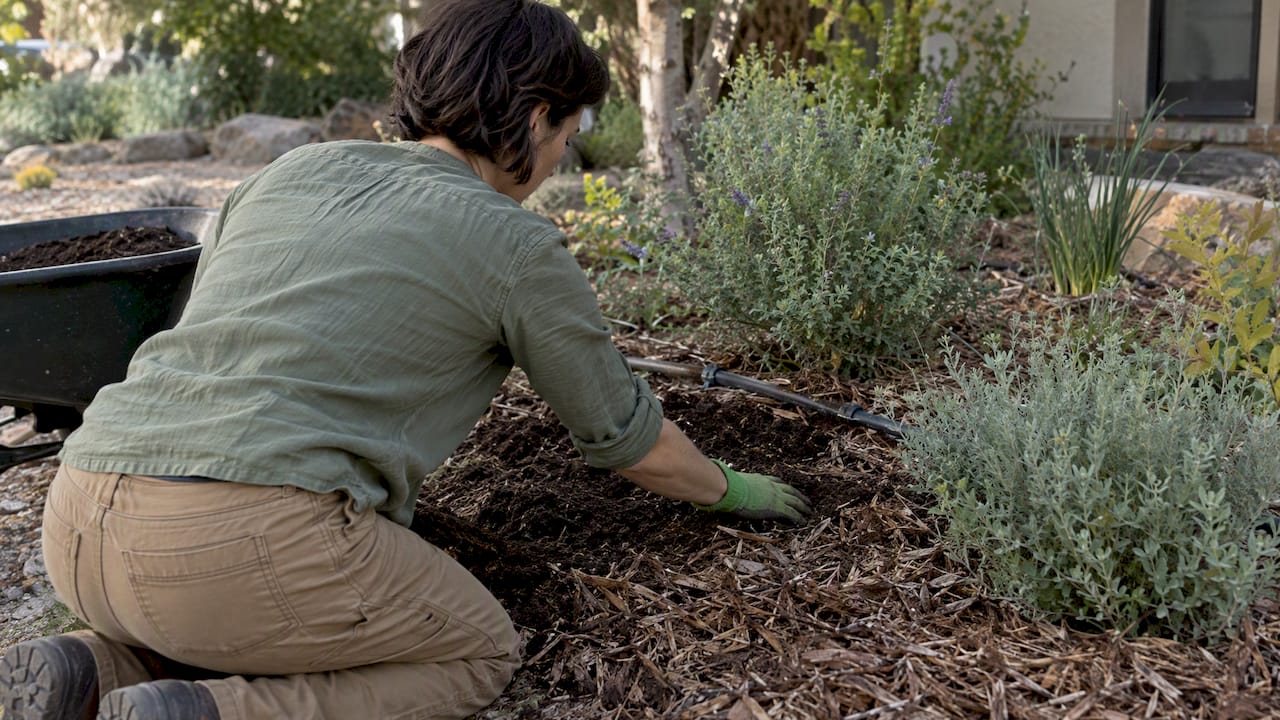
Los Angeles brush clearance inspections begin May 1 for many parcels, and compliance means maintaining 5 feet of vertical roof clearance, 10 feet around chimneys, grass under 3 inches, and up to 200 feet of fuel reduction in extra hazard zones, year round. Miss the deadline and you risk an inspection fee, a noncompliance fee, and city-contracted clearance billed back to you.
TL;DR:
- Prune lower branches to 6 feet and remove the bottom third of shrubs under 18 feet; keep mulch under 3 inches within 30 feet.
- The 2026 LAFD failed inspection fee is $31, while a county example is $151; unresolved hazards can lead to cleanup costs billed to owners.
- Register on FIMS, track inspector notes and photos, and keep dated records to support a referee hearing or insurance claim if findings are disputed.
- Red Flag days prohibit clearance; in Very High Fire Hazard Severity Zones, use nonferrous, nonsparking metal blades and keep fire equipment within 10 feet.
Table of Contents
- Detailed Defensible-Space and Pruning Specs Inspectors Check
- Inspection Timeline, How Inspections Work, and Where to Check Status
- Fees, Penalties, and Enforcement: What Failing Costs
- Step-by-Step Checklist to Prepare Your Property
- Operational Safety Rules During Clearing Work
- How Sacred Garden Designs Helps You Meet Defensible-Space Rules
- Proactive Maintenance Beats Last-Minute Fixes
- Schedule a Defensible-Space Consultation or Clean-Up
- FAQ
- Sources
Detailed Defensible-Space and Pruning Specs Inspectors Check
Inspectors work from a fixed set of numbers, not impressions, so knowing the measurements ahead of a visit matters more than general tidiness. The Los Angeles County Fire Department’s defensible space booklet spells out the core standards that apply across most LA jurisdictions.
- Cut grass, weeds, and native brush to 3 inches or less within the required clearance zone.
- Keep 5 feet of vertical clearance between roof surfaces and any overhanging tree limbs.
- Maintain 10 feet of clearance around chimneys and stovepipe outlets.
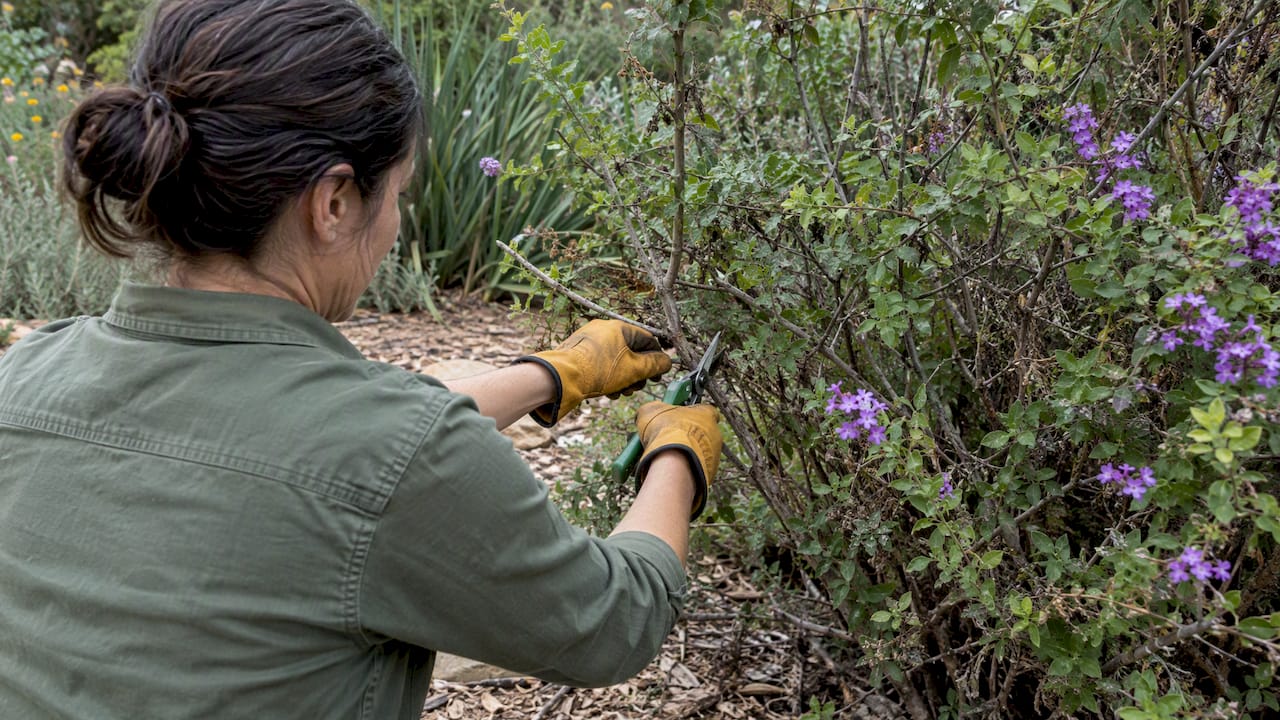
- Remove lower branches up to 6 feet from the ground on taller trees, and prune shrubs under 18 feet by removing the bottom third of their height.
- Clear dead material and reduce fuel load within 100 to 200 feet of structures, depending on the hazard classification of your parcel.
Fuel reduction can extend to 200 feet on parcels in extra hazard zones, according to the defensible space booklet, which is far beyond the 30-foot zone most homeowners picture when they hear “brush clearance.”
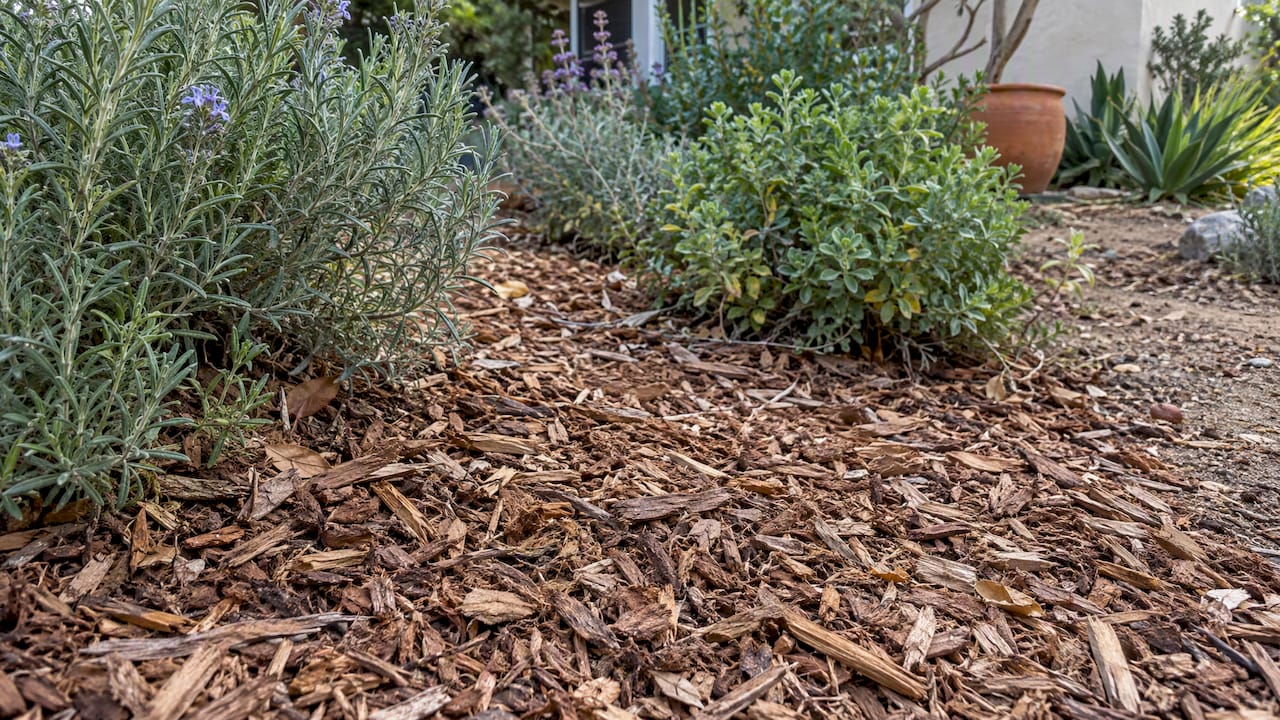
Native shrubs need spacing between specimens rather than wall-to-wall removal, and a single well-placed specimen tree or shrub is often exempt from full clearance if it’s isolated from other fuel. Cut vegetation and mulch can’t be piled deep: the limit is 3 inches within 30 feet of a structure and 6 inches beyond that, and clippings need to be hauled away or properly disposed of rather than left to dry into fuel.
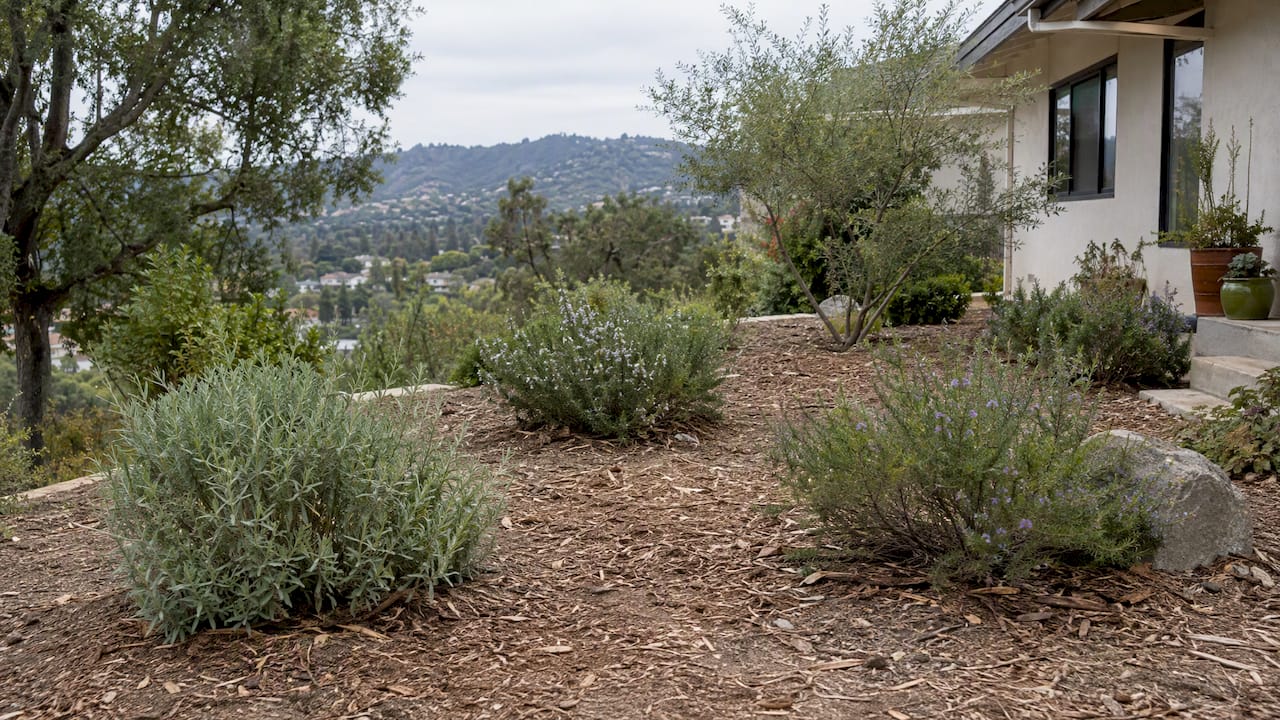
Certain plants fail inspections more than others. Juniper, Italian cypress, palms with unmaintained skirts, and pines with low, resin-heavy branches are common citations because they hold dead material close to structures or ignite easily. If your landscape leans on these, a drought tolerant planting swap can solve the recurring problem instead of just trimming around it every season.
Inspection Timeline, How Inspections Work, and Where to Check Status
Inspections typically begin May 1 for many Los Angeles parcels, though inland areas sometimes see earlier scheduling than coastal zones because of when vegetation dries out. Maintenance, however, is a year-round obligation under municipal code, not a once-a-year scramble before the mailer arrives.
The process generally follows a predictable sequence:
- An initial inspection checks your parcel against the numeric standards.
- A failed inspection triggers a correction notice with a window to fix the problems.
- A re-inspection follows, and a second failure can lead to a referee hearing if you want to contest the finding.
- The County’s referee hearing process gives property owners a formal path to dispute an inspection outcome.
You can track your parcel’s inspection status, including inspector notes and photos, through the LAFD’s brush clearance program, which also lists the vendor directory and FIMS registration steps. For questions specific to your property, the Brush Unit is the direct point of contact listed on that page.
Fees, Penalties, and Enforcement: What Failing Costs
Compliance by the deadline costs nothing in inspection fees. The 2026 owner notification mailer confirms that properties cleared before the inspection date avoid the initial fee entirely, but a failed first inspection changes the math quickly.
- A failed initial inspection in 2026 carries a $31 fee, according to the LAFD.
- Los Angeles County’s inspection fee example for 2026 is $151, as listed on the County’s defensible space referee hearings page.
- A second failed inspection commonly adds a noncompliance fee on top of the original charge.
- Unresolved hazards can lead the city to hire a contractor for abatement, with the cost billed to the owner and, if unpaid, added to the property tax assessment.
A $151 county inspection fee is a modest cost next to the alternative: contractor-driven abatement plus administrative charges that can run into the hundreds or thousands of dollars once cost recovery and billing penalties stack up, per the referee hearings page.
The practical defense is simple. Pass the initial inspection, photograph your cleared property as proof, register on FIMS to monitor status online, and request a referee hearing promptly if you believe an inspection result is wrong.
Step-by-Step Checklist to Prepare Your Property
A methodical walk-through beats a rushed cleanup every time, and it maps directly to what inspectors measure.
- Walk the parcel with your APN and the numeric checklist in hand, noting every area that falls short.
- Remove dead wood, dry leaves, and overgrown grass first since these are the most common failure points.
- Prune trees and shrubs to the required roof, chimney, and ground clearances.
- Clear combustible items and dense plantings from Zone 0 and from directly under windows.
- Chip or haul away debris, then photograph the finished property for your own records.
Steep slopes, mature trees near structures, or a job that can’t be done within the safe operational rules below are good reasons to bring in a professional rather than risk an incomplete clearance.
Pro Tip: Register your parcel on FIMS and photograph problem spots before you start work. It speeds up any dispute if an inspector’s finding doesn’t match what you actually did.
Operational Safety Rules During Clearing Work
The rules that protect you while you clear brush are as enforceable as the clearance standards themselves. Clearance work is prohibited on Red Flag days, full stop, since dry wind conditions turn routine cutting into an ignition risk.
- Use only non-ferrous, non-sparking metal cutting blades when working in a Very High Fire Hazard Severity Zone, per LAFD Ordinance No. 185789.
- Keep a charged cell phone and required fire-extinguishing equipment within 10 feet of the work area at all times.
- Expect fines for blade or equipment violations, with penalties escalating on repeat offenses and civil cost recovery possible if clearance work starts a fire.
These restrictions apply whether you’re doing the work yourself or hiring help, so confirm any crew you bring in follows them.
How Sacred Garden Designs Helps You Meet Defensible-Space Rules
We design landscapes that satisfy these clearances without stripping your yard of character, using proven low-maintenance landscaping moves contractors recommend for durability and fire resistance. Our services include clean up and haul away, expert tree trimming, and irrigation adjustments that support low-combustible, drought tolerant plant palettes suited to Zone 0 and the broader clearance perimeter. We build compliant spaces that still look intentional.
Proactive Maintenance Beats Last-Minute Fixes
Treating Zone 0 as your working standard now, ahead of any finalized statewide rule, keeps your property ahead of both inspectors and insurers. A seasonal maintenance rhythm, not a once-a-year scramble, is what actually holds up under inspection. Keep dated photos and records on FIMS: they help with referee hearings and insurance claims alike.
— Denise Buchanan
Schedule a Defensible-Space Consultation or Clean-Up
We offer site visits, upfront quotes, clean up and haul away, and full defensible-space redesigns that keep your property compliant and good to look at.

- Request a site visit to identify your property’s specific clearance gaps.
- Get a quote for clean up, haul away, and tree trimming before your inspection window opens.
- Explore our landscape design services to plan a defensible-space redesign that fits your yard.
This article is general information, not a substitute for advice from a qualified lawyer. Consult a qualified legal professional about your own circumstances before acting on anything here.
FAQ
Can I Burn Wood in My Backyard in California?
Backyard wood burning rules depend on your local air district and fire restrictions, and many Los Angeles area jurisdictions limit or prohibit open burning, especially during fire season. Check with your local fire department before burning any cleared vegetation, since debris removal through hauling or chipping is the safer compliance route under brush clearance rules.
What Does LA County Fire Code 503.1.1 Require?
This section of the fire code generally governs fire apparatus access roads rather than vegetation clearance itself, so it’s a separate requirement from brush clearance. For defensible-space specifics like clearance distances and pruning standards, the County’s defensible space booklet is the governing reference.
What Are the Requirements to Become a Firefighter in Los Angeles?
Firefighter requirements, including age, education, and physical testing standards, are set by the hiring department and are not covered in brush clearance or defensible-space regulations. Property owners researching brush clearance compliance should look to LAFD’s brush program pages rather than recruitment materials for this information.
What Are the Latest Updates on California’s Zone Zero Defensible Space Law?
Statewide Zone 0 regulations under AB 3074 are still being finalized, but many Los Angeles inspectors and insurers are already treating ember-resistant, noncombustible landscaping within 5 feet of structures as the practical standard. Property owners who adopt Zone 0 practices now, before the rule is locked in, are likely to be ahead of both future inspections and insurance underwriting.
When Do LAFD Brush Clearance Inspections Start Each Year?
Inspections typically begin May 1 for many Los Angeles parcels, with some timing variation between inland and coastal areas based on when vegetation dries out. Maintenance itself is required year-round, not just before the inspection date.
Sources
- Defensible space booklet (Los Angeles County Fire Department)
- 2026 Owner Notification Mailer | Los Angeles Fire Department
- BRUSH – Fire Protection Systems (LAFD / FPS)