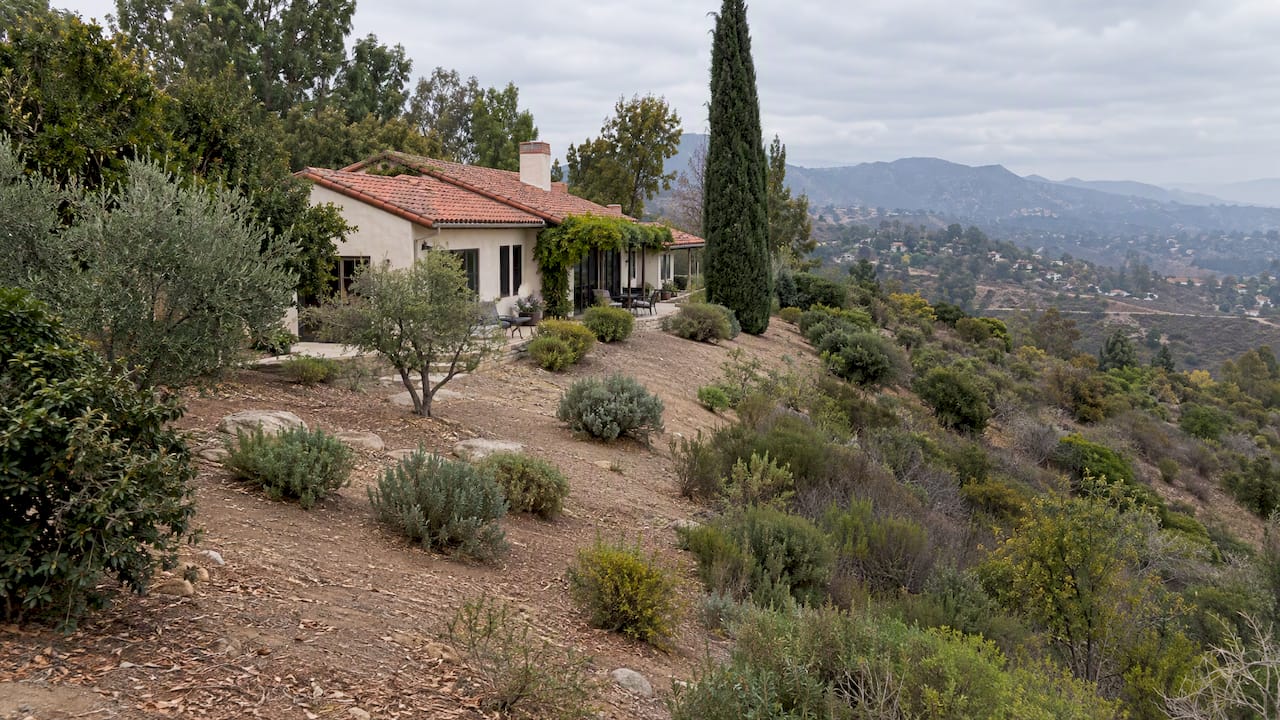
Yes, you can replace a traditional lawn, and the right swap depends on how you use the space. Groundcovers, no-mow grasses and sedges, native meadows, ornamental or edible beds, permeable hardscape and artificial turf all cut mowing and often water. Each one needs proper site prep and an irrigation retrofit to last, so pick your category below first.
TL;DR:
- Fine fescues and native sedges often need only one or two annual mowings once established, but daily play calls for a tougher patch.
- Native meadows can take up to 3 years to establish; seeding costs less but starts slowly, while plugs provide faster results at higher cost.
- Turf uses 14 to 40 gallons per square foot yearly, while mature low to moderate water plantings need less than half.
- Sheet mulching takes about two to three months to smother turf, and replacements need active weeding and supplemental watering during the first two years.
- Artificial turf suits heavy play where living grass fails, but sunny surfaces heat up and sealed bases can harm tree roots and soil life.
Table of Contents
- Which no-grass alternative fits your yard?
- Groundcovers: species, planting pattern and containment
- No-mow and low-mow grasses and sedges for a green look
- Meadows and native prairie: what establishment really looks like
- Ornamental and edible garden beds as a gradual swap
- Hardscape and permeable surfaces where plants will not work
- Artificial turf: installation, upkeep and honest limits
- Site prep, irrigation conversion and a realistic timeline
- Our design-first rules for replacing turf
- How we help with lawn-to-no-grass projects
- FAQ
- Sources
Which no-grass alternative fits your yard?
Start with what the space has to do, then open the matching section.
- Groundcovers: best for slopes, shade and narrow strips. Low mowing, modest water once established.
- No-mow and low-mow grasses and sedges: best when you still want a green carpet. Mowed rarely, with far less irrigation than turf.
- Meadows and native prairie: best for pollinators, birds and big open areas. Patience required, then low inputs.
- Ornamental and edible beds: best for gardeners who like to plant. Effort up front, lower inputs later.
- Permeable hardscape: best for paths, seating and high-traffic access. Almost no watering, good drainage.
- Artificial turf: best for heavy play areas where living grass keeps failing. No watering, but heat and soil trade-offs.
- Herbal lawns (thyme, yarrow): best for low-traffic spots where scent and bloom matter more than walking.
One practical note: you do not have to go all or nothing. If kids kick a ball around daily, keep a small play patch of turf or a tough no-mow blend, and convert the rest. Zoning the yard this way keeps the useful grass and drops the mowing everywhere else.
Groundcovers: species, planting pattern and containment
Groundcovers suit slopes, shaded corners and narrow strips where a mower is a hassle. Extension specialists note that they suppress weeds, control erosion, add habitat and bring seasons of color, and many are evergreen. For deeper plant palettes, see our guide to drought tolerant groundcovers.
Good candidates include:
- Creeping thyme: fragrant, tolerates light steps, loves sun.
- Sedum: thrives on dry slopes, but does not like regular foot traffic.
- Dymondia: a walkable silver-green mat listed by UC Marin Master Gardeners among turf replacements.
- Native low-growers and sedges: match them to your region and light.
Be honest about walkability. Most groundcovers handle an occasional path across them, not a daily soccer game. Stepping stones solve that cheaply.
For planting pattern, stagger plants in a triangular grid rather than straight rows. Spacing guidance puts coverage frequently within about 6 months, depending on species, so tighter spacing fills faster and costs more.
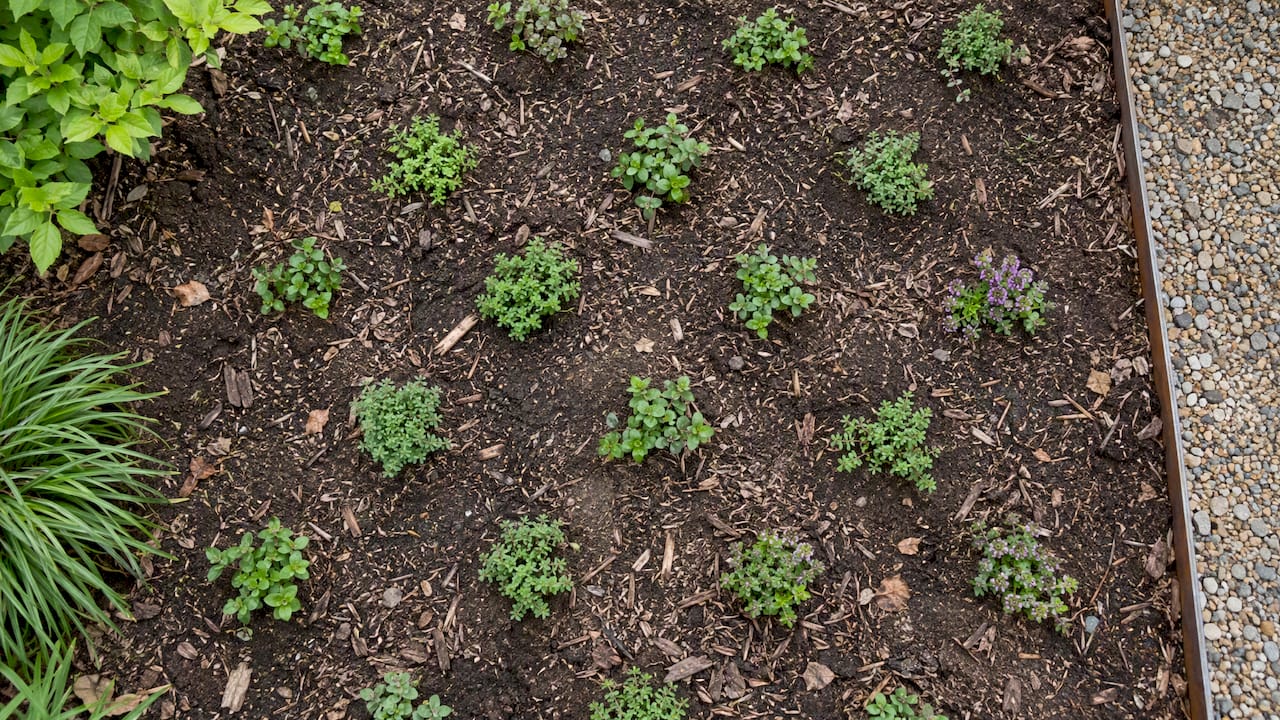
Aggressive spreaders need containment. Use steel or stone edging, or plan to divide and pull runners each season. In deer country, choose fragrant or tough-leaved species and expect some browsing on tender ones.
Pro Tip: Mulch between young plants to hold down weeds, then thin the mulch once the plants meet so they shade out new weeds on their own.
No-mow and low-mow grasses and sedges for a green look
If you love the look of grass but not the Saturday chores, this is your category. No-mow blends are mowed rarely or not at all. Low-mow blends get cut occasionally. Extension guidance says many no-mow options, such as fine fescue blends or native sedges, need only one or two mows annually once established.
Species worth knowing:
- Fine fescue blends: soft, shade-friendly, best in cooler climates.
- Buffalograss: a warm-season native that handles drought, and UC Verde buffalo grass is noted for durability.
- Blue grama: a tough, fine-textured prairie grass for sunny, dry sites.
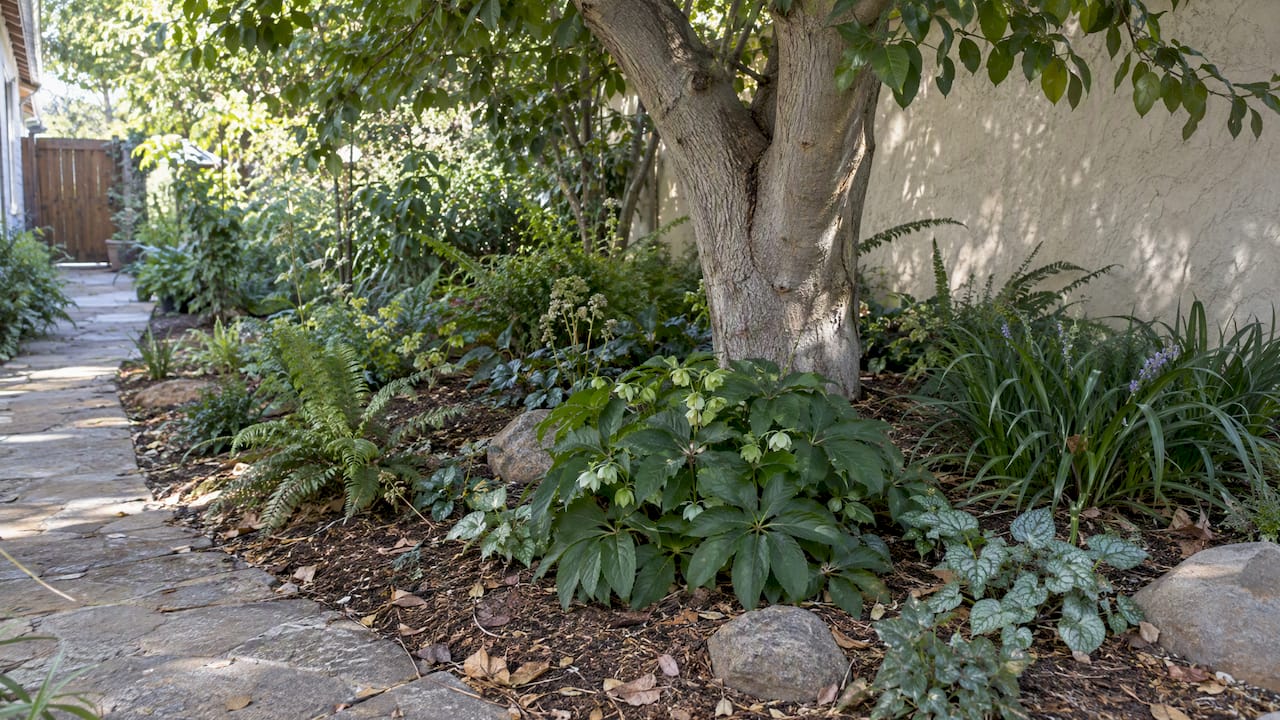
- Carex pensylvanica: a shade sedge that forms a gentle, low carpet under trees.
Expect dormancy. Warm-season grasses like buffalograss turn tan in winter, and some blends go dormant in a dry summer. That is normal, not failure. Native grass mixes can be kept manicured or left unmowed for a prairie look, and seeding follows methods much like a regular lawn.
Foot traffic tolerance varies, so check the blend before you buy. Where children and pets play every day, keep a small patch of conventional turf or a rugged blend there, and let sedges and fescues handle the shady, quiet parts.
Meadows and native prairie: what establishment really looks like
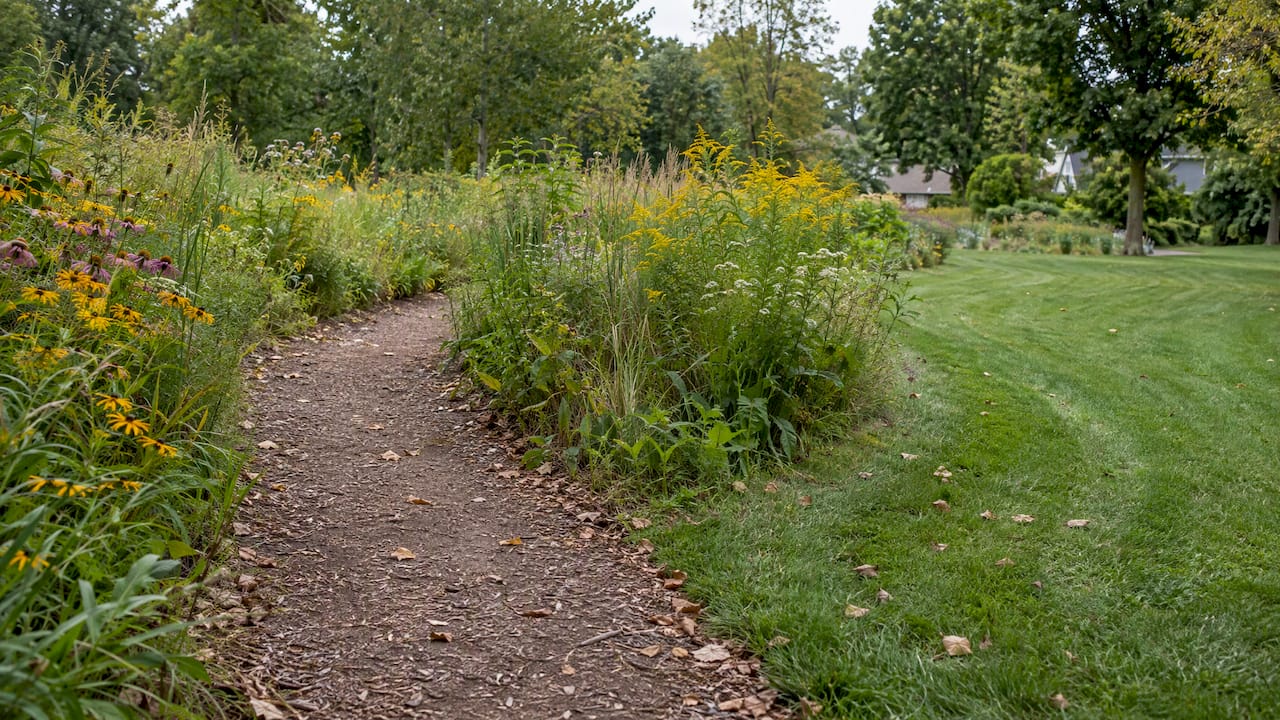
A meadow gives you movement, flowers and a steady stream of pollinators and birds. It also asks for patience. Iowa State’s native planting guidance says these plantings can take up to 3 years to fully establish, and the area may look unfinished while deep roots form. If this is your goal, our walkthrough on converting lawn to a native wildlife garden covers the timeline in detail.
You have three ways in:
- Seeding: the cheapest per square foot and good for large areas, but slow and weedy early on.
- Plugs: faster visual results and better control over species, at a higher price.
- Stop mowing: nearly free, yet you get whatever seed bank is already in the soil, including weeds.
Whichever route you take, plan for active weed control through the establishment years. The same guidance calls for periodic mowing so shrubs and trees do not take over.
Design for the neighbors. A mowed edge, a clean path through the planting, or a simple border makes a tall meadow read as intentional rather than neglected. That small step heads off most complaints.
Ornamental and edible garden beds as a gradual swap
Beds are the easiest way to convert in phases. Start with a few 4’ x 4’ islands, then enlarge them each season by dividing plants or adding new ones. A Penn State Extension overview recommends converting gradually and mixing alternatives with limited turf.
- Build a mixed palette: low-water natives, a few shrubs and edibles such as herbs or berries.
- Stagger bloom times so pollinators find something flowering from spring through fall.
- Group by water need, so edibles get their own irrigation zone.
Be realistic about effort. Early on, beds take about as much work as a lawn, mostly weeding and watering. Over the years the inputs drop and the habitat value climbs. If you want a lawn-like feel with less upkeep, herbal lawns of thyme or yarrow work in low-traffic spots, but they do not like heavy walking.
Hardscape and permeable surfaces where plants will not work
Hardscape earns its place in high-traffic spots, access routes and erosion trouble areas. The key choice is permeable versus impermeable. Permeable surfaces let rain soak through, which cuts runoff, while solid concrete sends it to the street. University of Arizona Extension lists rock and organic mulch and other options, each with trade-offs for cooling, runoff and soil health.
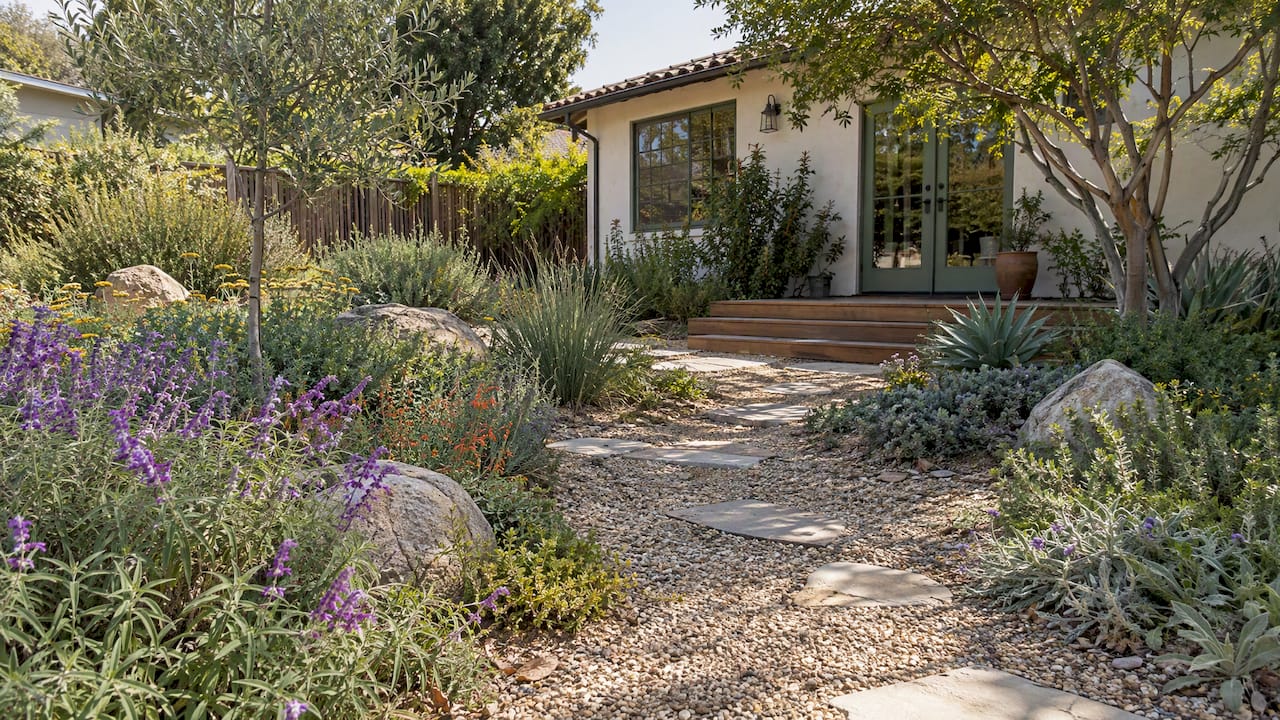
- Decomposed granite: affordable and natural-looking, needs edging and occasional topping up.
- Permeable pavers: crisp and durable, with gaps that drain.
- Gravel: simple and cheap, but loose underfoot.
- Permeable concrete: a solid surface that still drains.
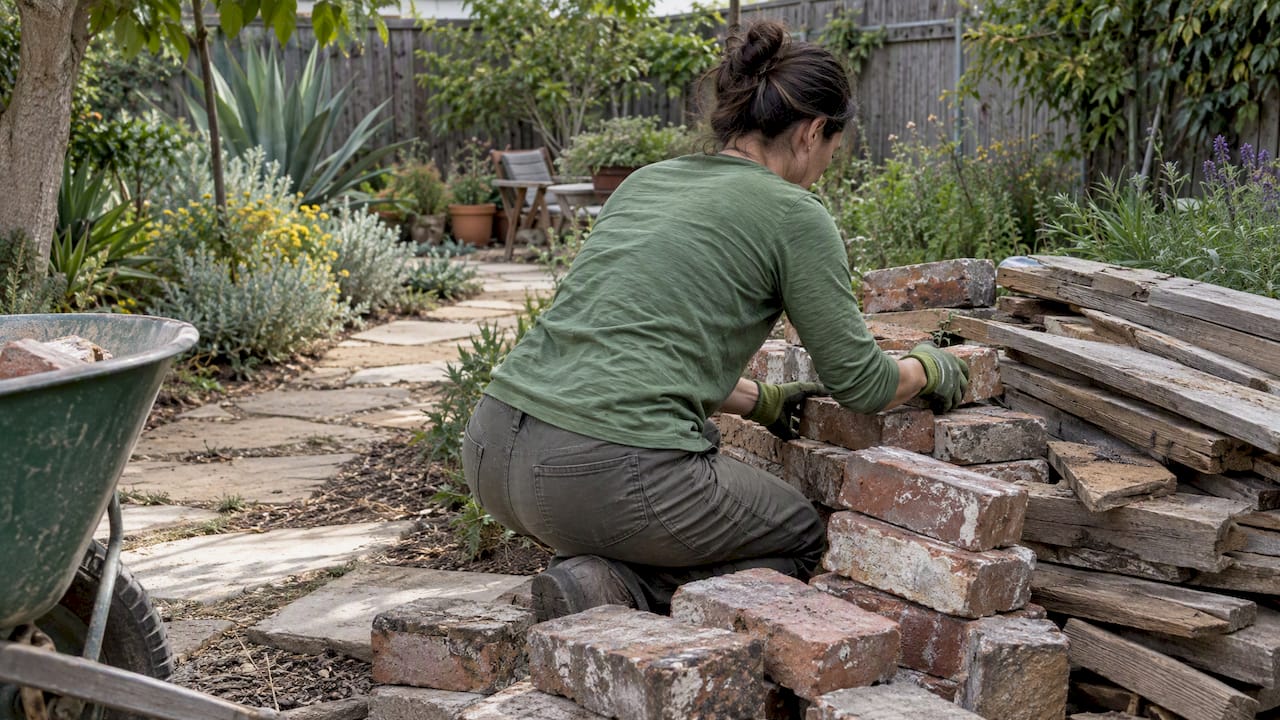
Dark paving holds heat, so pair it with planting islands and shade trees to soften the effect. Maintenance is mostly about keeping surfaces open: sweep debris, avoid compaction and pull weeds before they root in.
Artificial turf: installation, upkeep and honest limits
Synthetic turf can make sense where live grass loses to constant play. Installation means killing and removing the existing turf, taking out 1–2 inches of the root zone, and compacting a gravel base.
- Upkeep: remove debris, brush the fibers and rinse occasionally.
- Heat: surfaces can get hot on sunny days, so plan shade or timing accordingly.
- Trees and soil: a sealed surface affects deep-rooted plants and soil life, so keep it away from tree roots.
- End of life: plan for disposal or recycling when it wears out.
It fits heavy play zones. It does not fit places where soil health or tree roots matter most.
Site prep, irrigation conversion and a realistic timeline
Most failures trace back to skipped prep or an untouched sprinkler system. Work through this order:
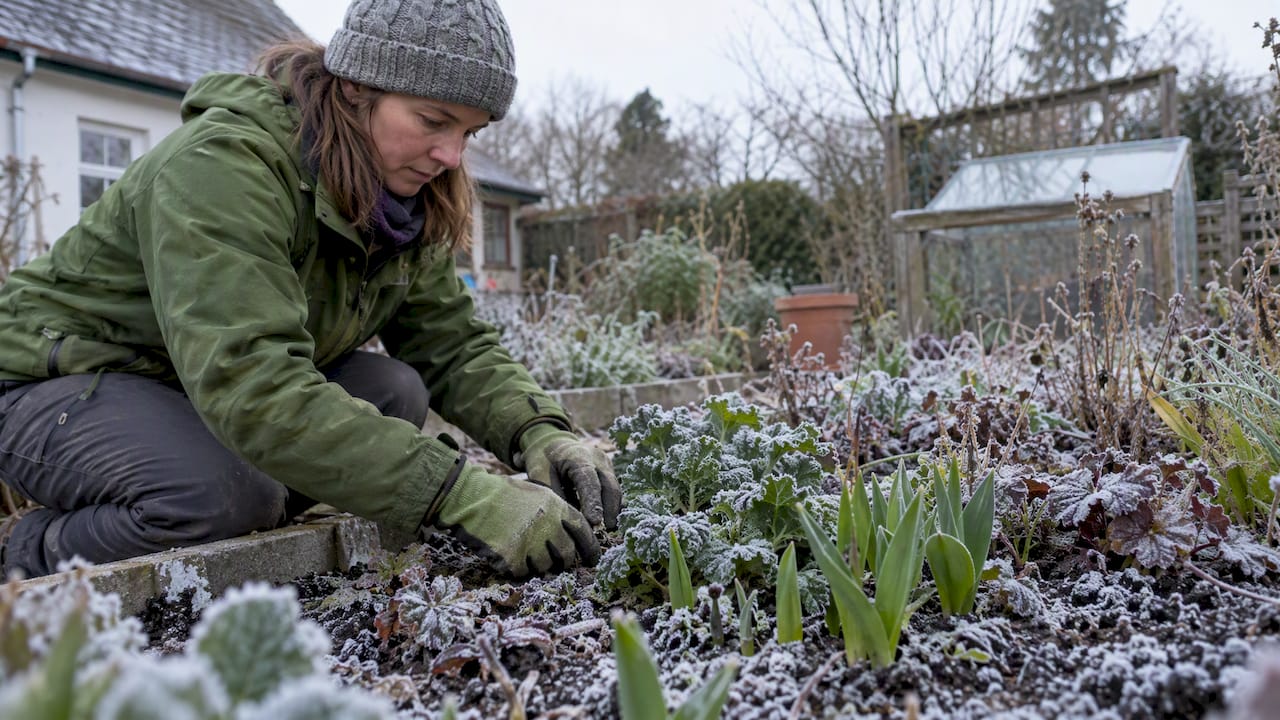
- Choose a clearing method. Manual sod removal and rototilling are fast. Sheet mulching, layering cardboard and organic mulch, is gentler and takes about two to three months to smother turf. Our sheet mulching guide walks through each layer.
- Retrofit irrigation. Utah State Extension advises converting spray heads to drip or micro-irrigation and putting new planting zones on separate valves. It also notes that fixing a poor design later costs more than getting it right up front, which is why professional retrofitting often pays off. For help with drip layouts, see our drip irrigation walkthrough.
- Add a smart controller so each zone gets only what it needs.
- Plan the phases. The Precision Outdoor team describes a similar sequence, and it is worth reading before you hire anyone: solve drainage first, then design, then plant.
- Budget for years one and two. Expect active weeding and supplemental watering while roots develop.
Water at stake: Turf grass often uses 14 to 40 gallons of water per square foot each year, while low- to moderate-water plantings can need less than half of that at maturity. Some municipal rebate programs reward turf replacement, usually with specific planting and irrigation requirements, so check yours before you start.
Our design-first rules for replacing turf
The best no-grass yards we see began with a map, not a plant list. Before choosing anything, we divide a yard by function: where people play, where pets run, where guests arrive, and where nature gets to take over. A yard with no grass is not a yard with no use.
Then we fix the water. Irrigation redesign and permeable hardscape belong at the start of the plan, because they are costly to redo. Finally, we phase the work. Converting one zone at a time spreads cost, lets you test what thrives, and keeps the neighbors calm.
— Denise Buchanan
How we help with lawn-to-no-grass projects
We design and install water-wise landscapes, and we can take a project from first sketch to maintenance handover. Our sustainable landscape design and installation work covers irrigation design and retrofits, permeable hardscaping, phased installs and ongoing garden maintenance. For smaller yards, our landscape design services start at $1,500 for yards under 5,000 square feet, and a full landscape design is $2,500.
- Site assessment
- Design
- Irrigation retrofit
- Installation
- Maintenance handover
Book an initial consultation, or browse our lawn alternatives page for examples and local rebate guidance.
FAQ
What can I use for a lawn instead of grass?
You can use groundcovers, no-mow grasses and sedges, native meadows, garden beds, permeable hardscape or artificial turf. Pick based on how you use the yard, such as play, pets, shade or slopes. Walkable options like white clover and Dymondia suit many lighter-traffic areas.
What is poor man’s grass?
The phrase usually refers to cheap, tough lawn stand-ins such as clover or low-growing weeds that stay green with little care. A planned alternative, like white clover or a fine fescue blend, gives you a similar low-cost look with more control. Check how much foot traffic it can take first.
How long does a lawn replacement take to establish?
Sheet mulching alone takes about two to three months to smother turf. Meadows and native plantings can take up to 3 years to fully fill in. Plan on weeding and extra watering in the early years.
Can I keep a small lawn for play?
Yes, and many yards do best this way. Keep a compact patch of turf or a tough no-mow blend where kids and pets play, and convert the rest to groundcovers, beds or meadow. That keeps the useful grass and drops most of the mowing.